
Why a cooling Dubai market is the best time to buy
Price growth slowing in Dubai? For serious buyers, that's the signal to act, not wait. Here's how to identify real value and move before momentum returns.
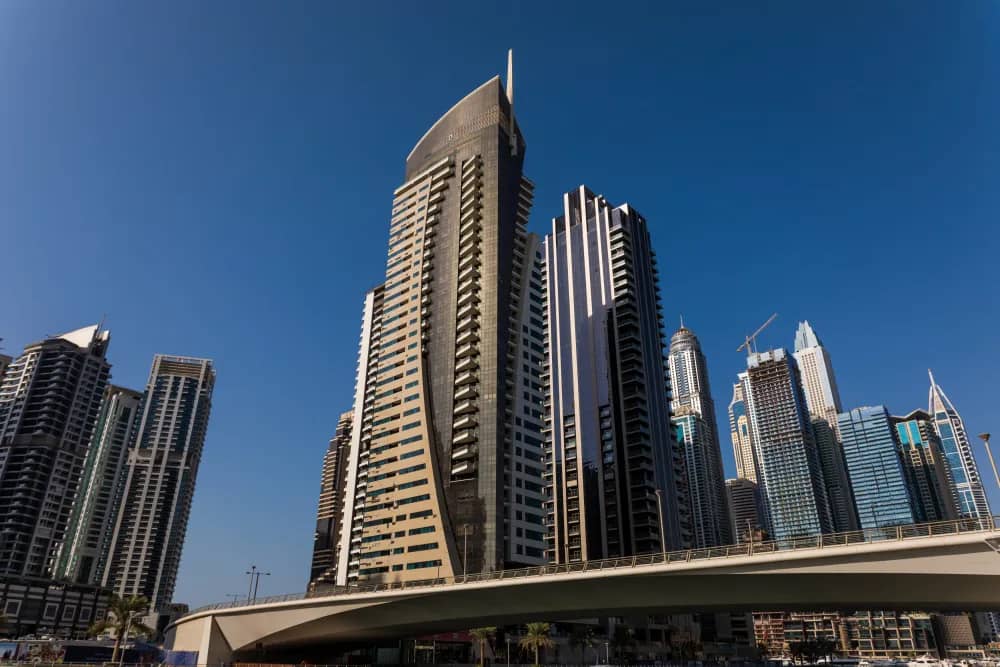
What a cooling market actually looks like in Dubai
The Dubai real estate market does not move in a straight line. Periods of rapid price appreciation are followed by phases of slower growth or modest correction, and those phases tend to be brief. What feels like a pause from the outside is often a recalibration: sellers adjust expectations, developers offer better terms, and motivated vendors become more flexible on price. For buyers who have been waiting on the sidelines, a cooling cycle is not a warning sign. It is a window.
Distinguishing a genuine softening from normal seasonal noise requires looking at transaction volumes alongside prices. When the number of deals falls while listing inventory rises, negotiating leverage shifts toward the buyer. When days-on-market stretches beyond 60 to 90 days in a community, that is a concrete signal that sellers are more motivated than the listing price suggests. The Dubai property market has shown precisely these characteristics in pockets across mid-tier communities and selected secondary stock in established areas during slower quarters.
How to identify genuine value windows before they close
Not every price dip represents value. Some properties are discounted because of structural issues: poor build quality, high service charges, weak rental demand, or a location that has never performed. Before treating a reduced asking price as an opportunity, run a quick sanity check. Pull comparable transactions from the Dubai Land Department's own data. If a unit is listed 10 to 15 percent below the median transacted price for that building over the last six months, that gap deserves investigation rather than immediate celebration.
Community selection matters as much as unit-level pricing. Areas with confirmed infrastructure investment, strong rental absorption, and a track record of post-correction recovery tend to rebound fastest. Dubai Hills Estate and Dubai Creek Harbour are examples of masterplanned communities where secondary market pricing has occasionally softened while long-term fundamentals remained intact. Business Bay and Jumeirah Village Circle have both seen periods of oversupply followed by meaningful price recovery once new supply was absorbed.
Service charges are a detail many buyers ignore during a hot market and regret later. A unit priced at a discount may carry service charges that erode net yield significantly. Use a service charge calculator to model the actual annual holding cost before committing to any shortlisted property.
Negotiating effectively when sellers are motivated
A slower market gives buyers tools they rarely have during a boom: time, information, and competing options. Use all three. Request the seller's original purchase price and date through your broker. If the seller acquired the property two or three years ago at a lower basis, they may still net a gain at a price that represents genuine value to you. That is a negotiation that can work for both parties.
Practically, the most effective asks in a buyer's market are not always on price. Sellers who are firm on headline price often have flexibility on other terms: covering DLD transfer fees, including furniture packages, or allowing a longer handover period. Structuring an offer that addresses what the seller actually needs can close deals that a lower price alone would not. Your broker should be gathering that information before you submit any offer. Read our guide to buying property in Dubai for a full walkthrough of the offer and transfer process.
Off-plan Dubai projects: where developers compete harder
When resale demand softens, off-plan developers compete more aggressively for buyers. Extended payment plans, post-handover installments, and reduced booking deposits are all more common during a market slowdown than during a period of strong demand. Developers including Danube Properties and DAMAC Properties have historically structured attractive payment plans during quieter periods to maintain sales velocity. Those terms are often withdrawn once absorption accelerates.
Off-plan purchases during a softer cycle carry a specific risk that buyers must price in: construction timelines and the financial health of the developer. Always verify the project's escrow account status with the Real Estate Regulatory Agency (RERA) and check that the developer has a consistent delivery record. Browse current Dubai off-plan projects with verified developer credentials before shortlisting any scheme.
Moving fast when prices dip: a practical timeline
The buyers who benefit most from a cooling period are those who have completed their preparation before the opportunity appears, not after. That means having mortgage pre-approval in place if you are financing, having your 10 percent deposit liquid and available, and knowing exactly which communities and unit types meet your criteria. Without that groundwork, you will spend the first two weeks of a value window getting your finances in order while another buyer signs the MOU.
For cash buyers, the timeline from offer acceptance to transfer can be as short as 10 to 14 business days. For mortgage buyers, factor in 3 to 4 weeks for the bank to issue a final offer letter and complete its valuation. Plan backward from that timeline when making an offer. Sellers in a quieter market are more likely to accept a slightly lower price from a buyer who can demonstrate readiness than a higher offer with uncertain funding. If you are considering a purchase that would also qualify you for residency, review the requirements for UAE Golden Visa through Dubai property during your preparation phase.
The final point is perhaps the most important one: market windows in Dubai have historically been shorter than buyers expect. The city's structural demand drivers, including population growth, continued business formation, and a limited land bank in established areas, mean that genuine softening periods attract institutional capital as well as resident buyers. Look at Dubai properties for sale now, while inventory is elevated and negotiating conditions are favorable. Waiting for a further dip risks missing the window entirely.
Which communities offer the best buying conditions right now
Mid-market communities with higher inventory levels tend to offer the most negotiating room during a slowdown. Jumeirah Lake Towers (JLT) and Al Furjan have both seen periods of elevated supply where motivated sellers have accepted meaningful discounts to transacted averages. These are not distressed markets. They are areas where the supply-demand balance temporarily favors the buyer.
At the premium end, Palm Jumeirah and Downtown Dubai tend to hold value more firmly because of constrained supply and sustained international demand. Value opportunities do appear, but they are typically narrow and move quickly. The buyers who capture them are those already embedded in the market with an active broker relationship, not those starting their search from scratch.
Frequently asked questions
Is the Dubai property market actually cooling in 2024 and 2025?
Select segments of the Dubai property market have shown slower price growth and higher inventory levels compared to the peak years of 2021 to 2023. This is not a uniform correction across the entire city. Mid-tier communities and certain apartment categories have seen more softening than prime villa markets, which have remained relatively firm.
How do I know if a discounted property is a genuine deal or a problem asset?
Cross-reference the asking price against Dubai Land Department transaction data for the same building over the past six months. A discount of 10 to 15 percent below median transacted prices warrants a closer look. Also check service charges, the building's maintenance history, and rental occupancy rates in the complex before proceeding.
Are off-plan projects in Dubai a good option during a market slowdown?
They can be, because developers often offer more flexible payment plans and lower booking fees when resale demand softens. The key risks are developer track record and delivery timeline. Always confirm the project's RERA escrow registration and review the developer's completed project history before committing funds.
What preparation should I complete before making an offer on a Dubai property?
Have mortgage pre-approval in place or confirm your cash liquidity. Know the DLD transfer fee (4 percent of purchase price), agency fee (typically 2 percent), and any applicable trustee and registration fees. Having this groundwork done before you find a property means you can move to offer stage within 24 to 48 hours of identifying the right unit.
Does buying in a cooler market affect UAE Golden Visa eligibility?
No. The Golden Visa property route requires a minimum purchase value of AED 2 million in a completed property. The state of the broader market does not affect eligibility. A buyer purchasing at a discount in a softer market still qualifies as long as the purchase price meets the threshold. See the full criteria in our Golden Visa guide.
More Buying Guide posts
 Buying Guide
How to buy smart in a softening Dubai property market
When Dubai real estate cools, prepared buyers gain leverage. Here are the exact metrics to track before making your move.
By Roy El Baba Buying Guide
What to check before attending a property showcase in Dubai
Property showcases can be high-pressure environments. Here is what every buyer should verify before signing anything at a Dubai developer event.
By Roy El Baba Buying Guide
Indian buyers' guide to purchasing Dubai real estate
India leads all countries in online searches for Dubai property. Here is what Indian nationals actually need to know before they buy.
By Roy El Baba Buying Guide
How to Verify Dubai Brokers and Listings Abroad
Step-by-step guide for overseas buyers on how to verify a Dubai real estate broker, brokerage, and property listing in under five minutes — entirely from your phone, anywhere in the world. Includes the RERA BRN / ORN / permit checks, red flags that should end the conversation, and the documents you should collect before transferring any money.
By Roy El Baba