

What 'landmark luxury' actually means in Dubai's off-plan market
Not every premium-priced off-plan unit in Dubai is a next-gen development. Here is how to tell the difference before you sign.
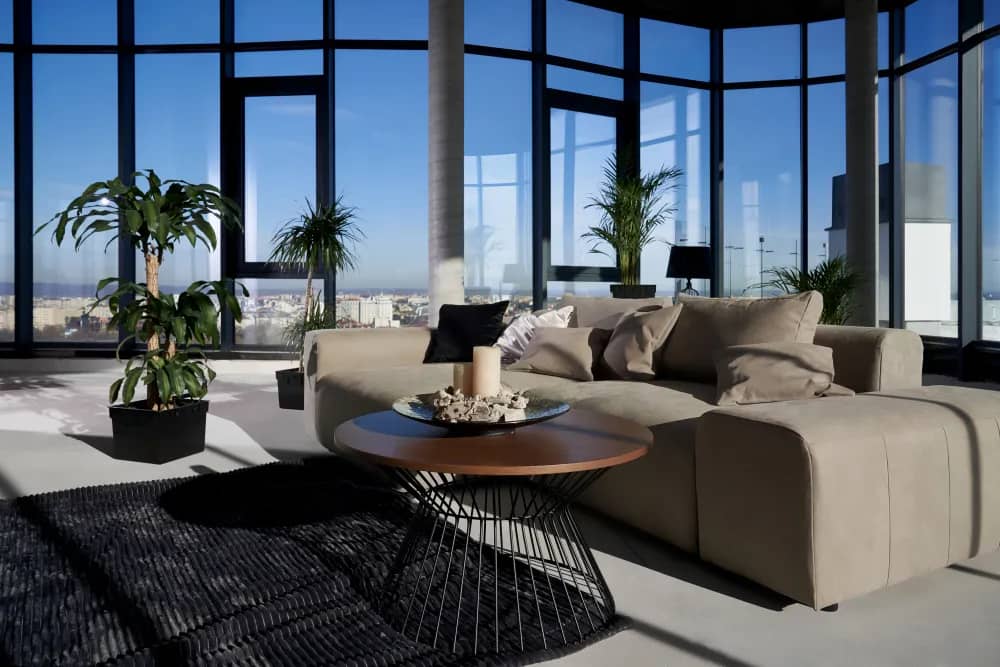
The gap between 'luxury' marketing and actual product
Dubai's off-plan market has absorbed enormous capital over the past three years, and developers have responded by attaching the word 'luxury' to a widening range of products. The problem for buyers is that the label does not automatically signal quality, scarcity, or long-term value. Understanding what genuine next-generation developments offer, versus a rebranded mid-market tower with premium finishes and an inflated price tag, is now one of the most consequential due-diligence steps in the Dubai property market.
The clearest differentiator is not price per square foot. A genuinely landmark project carries architectural authorship, meaning a recognisable international or regionally respected architect who has taken responsibility for the massing, facade, and public realm, not just the interior fit-out. Projects along Palm Jumeirah and within Downtown Dubai increasingly compete on this basis, with developers commissioning bespoke structural forms rather than adapting a standard podium-tower template.
Specific amenity stacks that define next-gen projects
In a true next-generation development, the amenity offering is programmed, not just listed. That distinction matters. A standard luxury tower might advertise a gym, pool, and concierge. A landmark project budgets a full amenity floor with dedicated wellness facilities, an attended spa with treatment rooms, a resident-only food and beverage outlet with a named operator, and outdoor spaces that are landscaped by a specialist firm rather than a contractor's in-house team. The difference in service charge per square foot can be substantial, so buyers should use a service charge calculator before committing, particularly on larger units.
Smart-home integration has also moved from optional upgrade to baseline expectation in this segment. Systems that control climate, lighting, security, and visitor access from a single app are now standard. What separates a landmark project is the depth of integration: biometric building access, a building management system that monitors energy consumption per unit, and in some cases a dedicated building app that connects residents to facility management, parcel collection, and amenity bookings in real time.
Branded residences represent the clearest expression of the trend. When a hospitality brand lends its operating standards and identity to a residential tower, buyers are purchasing a service level agreement as much as a physical asset. Projects associated with five-star hotel operators, whether in Dubai Marina or emerging districts like Dubai Creek Harbour, typically achieve a 25 to 35 percent price premium over comparable unbranded stock in the same micro-market, according to broker-level transaction data.
Payment structures and what they signal about developer confidence
Payment plans in Dubai's off-plan segment have become a marketing tool as much as a financing mechanism. A 60/40 or 70/30 split, where 60 to 70 percent is paid during construction and the remainder on handover, has historically been standard. Genuine landmark developers, confident in sellout velocity, often push buyers toward a heavier construction-phase payment schedule because they do not need to subsidise the purchase. If a developer is offering a 1 percent per month post-handover plan with very little down, that is frequently a sign of slower sales and a product that requires financial engineering to move.
Post-handover payment plans are not inherently bad, but the terms require scrutiny. Buyers should confirm whether the post-handover instalments are registered with the Dubai Land Department and whether the developer has placed the project under a dedicated escrow account. For a full walkthrough of the purchase process, including what to check before transferring any funds, the how to buy property in Dubai guide covers the regulatory framework in detail.
Yield expectations: separating income from capital story
One of the most common errors buyers make in the landmark luxury segment is projecting rental yields that are realistic for mid-market product. Gross yields on ultra-premium off-plan units, particularly those priced above AED 5 million in established communities, typically range between 3.5 and 5 percent once they are leased up. That is meaningfully lower than the 6 to 8 percent gross yields achievable on a Jumeirah Village Circle studio or a one-bedroom in a mature Business Bay building.
The investment case for landmark luxury is predominantly a capital appreciation story, not an income play. Buyers entering this segment at launch pricing are betting that scarcity, architectural distinctiveness, and brand association will compress supply at resale and support price growth that outpaces the broader Dubai real estate index. That thesis has held for genuinely differentiated projects in past cycles, but it requires a hold horizon of at least three to five years and careful selection. Not every project that markets itself as a landmark will trade like one at completion.
Buyers who also qualify for residency should factor in the UAE Golden Visa through Dubai property, which becomes available at a purchase price of AED 2 million and above. For a high-net-worth buyer making a AED 8 to 15 million commitment, the visa is a meaningful ancillary benefit, particularly if the property is held as a primary or secondary residence rather than purely as an income asset.
How to screen an off-plan project before committing
Practical due diligence on a landmark off-plan claim should follow a consistent checklist. First, verify the developer's RERA registration and review the escrow account details on the Dubai Land Department portal. Second, obtain the approved architectural drawings, not just renders, and confirm the gross floor area against the net saleable area, since a high loss factor on common areas reduces the effective value per square foot. Third, review the proposed service charge budget, which developers are required to submit to RERA, and compare it with the amenity stack being promised.
Fourth, research the developer's delivery record. A first-time developer launching a AED 2 billion project with an aggressive amenity programme and a 2027 handover date carries materially different completion risk than an established operator with several delivered towers in comparable segments. Fifth, visit comparable completed projects by the same developer, or by developers offering a similar product, and speak to existing residents about service levels, snagging resolution, and actual versus promised specifications. No amount of marketing material substitutes for on-the-ground verification.
Buyers exploring current Dubai off-plan projects should pay particular attention to how developers describe their differentiators in sales materials. Phrases like 'resort-style living' and 'curated community' with no supporting specifics are a red flag. Genuine landmark developments can name the architect, the landscape firm, the amenity operator, and the construction contractor, and they provide that information willingly.
Where the next cycle of landmark projects is forming
The geographic concentration of true landmark luxury is shifting. While Palm Jumeirah and Downtown Dubai remain the benchmark addresses, land constraints in both communities are pushing developers toward waterfront plots in Dubai Creek Harbour and select parcels within master-planned communities such as Dubai Hills Estate. These emerging addresses offer larger plot sizes, which allow for the low-density, resort-scale massing that genuine landmark buyers are seeking.
The broader Dubai real estate market is mature enough now that buyers can compare multiple genuine landmark offerings in the same launch window, which was rarely the case five years ago. That competition is a net positive for purchasers because it forces developers to deliver on specific claims rather than relying on address alone. For buyers prepared to do the research, the current off-plan cycle offers access to product quality that genuinely represents a step change from the previous generation of premium developments.
Frequently asked questions
What is the minimum budget for a genuine landmark luxury off-plan unit in Dubai?
Most projects that credibly sit in the landmark luxury category start at AED 3 to 4 million for a one-bedroom unit, with the majority of flagship stock priced between AED 6 million and AED 20 million. Branded residences on Palm Jumeirah regularly exceed AED 20 million for a three-bedroom.
Are post-handover payment plans safe for off-plan buyers in Dubai?
They can be, provided the project is registered with the Dubai Land Department and the developer holds construction-phase payments in a RERA-approved escrow account. Buyers should confirm these details before signing an SPA and verify that the post-handover obligation is legally documented, not just agreed in a side letter.
What rental yield should I expect from a landmark luxury off-plan apartment?
Gross yields in the ultra-premium segment typically range from 3.5 to 5 percent, which is lower than mid-market Dubai product. The primary investment case is capital appreciation over a three to five year hold, not immediate income. Budget for a 6 to 12 month lease-up period after handover in your financial model.
How do I verify that a Dubai developer is legitimate before buying off-plan?
Check the developer's RERA registration number on the Dubai Land Department's official portal, confirm the project has an active escrow account, and review the developer's track record of completed and on-time handovers. A RERA-licensed broker can pull escrow and registration data on your behalf.
Does buying a landmark luxury property in Dubai qualify me for a Golden Visa?
Yes, provided the purchase price is AED 2 million or above and the property is fully paid, including off-plan units where the paid amount meets the threshold. The visa is valid for ten years and renewable. Full eligibility details are covered in the UAE Golden Visa guide.
More Off-Plan posts
 Off-Plan
How Dubai's off-plan market works across every price point
From AED 400k studios to nine-figure penthouses, Dubai's off-plan market is built for buyers at every level. Here's how payment plans and incentives make it work.
By Roy El Baba Off-Plan
Who is buying AED5M+ off-plan property in Dubai right now
942 transactions above AED5M in a single quarter tells you demand is real. Here's the buyer profile driving Dubai's luxury off-plan boom.
By Roy El Baba Off-Plan
What booming developer profits mean for off-plan buyers
Dubai's listed developers posted AED 18.9 bn in combined net profit in H1. Here's what those numbers actually mean for buyers choosing an off-plan project.
By Roy El Baba Off-Plan
Dubai's new off-plan judicial safeguards explained
Dubai has introduced judicial safeguards that reshape how off-plan buyers are protected. Here is what the changes mean before you sign a payment plan.
By Roy El Baba