
Trakheesi permit numbers: what the listing change means for you
Dubai portals are restricting public visibility of Trakheesi permit numbers. Here is what that system does, why it is changing, and what buyers and renters need to know.
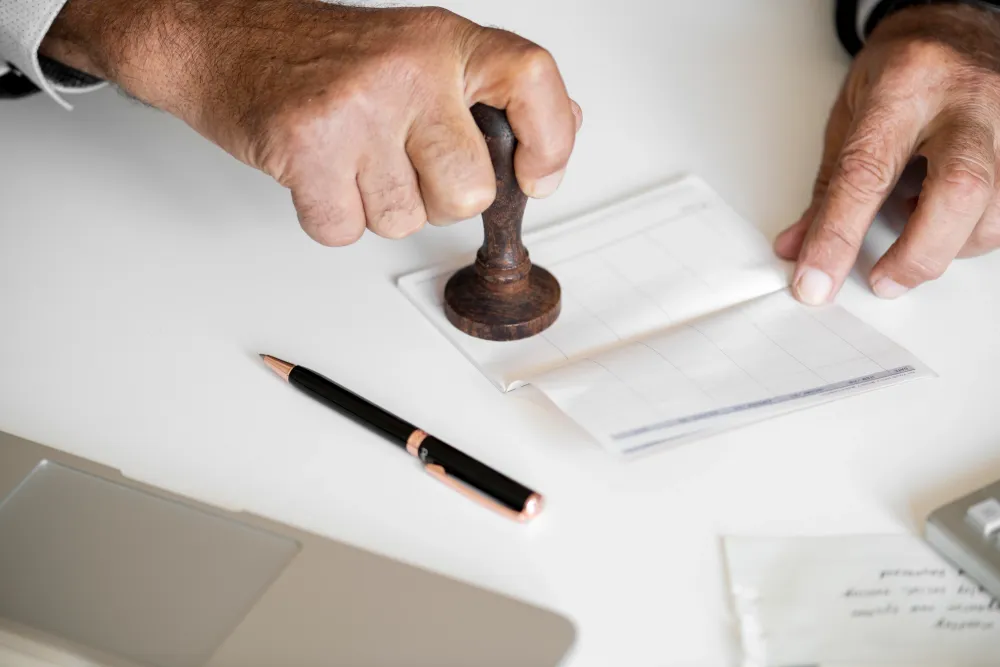
What is a Trakheesi permit number?
Every property listing published on a Dubai portal, whether it is an apartment for sale in Dubai Marina or a villa rental in Arabian Ranches, is required by law to carry an advertising permit issued through Trakheesi. Trakheesi is the Real Estate Regulatory Agency's (RERA) digital licensing platform, and it validates that the agent or landlord advertising a property has the legal right to do so. Without a valid permit, a listing is technically illegal under Dubai's property advertising rules.
The permit number ties directly to a specific property, a specific agent or landlord, and a defined listing window. It is not a generic credential. An agent who lists ten properties needs ten separate permits. This one-to-one relationship is what makes Trakheesi the backbone of listing compliance in the Dubai property market. For buyers and renters, the presence of a permit number has historically been a basic signal that a listing is legitimate.
Why portals are restricting permit number visibility
Until recently, Trakheesi permit numbers appeared prominently on listing pages, fully visible to anyone browsing. The system was designed for transparency, and in principle it worked. The problem arose because the numbers were also visible to competitors. An unscrupulous agent could copy a legitimate permit number from a rival's listing and attach it to a fraudulent or duplicated post, giving a fake listing the appearance of regulatory approval.
Portals operating in the Dubai real estate space are now moving to limit the public display of these numbers. The permit is still verified and stored behind the scenes, but a full string of digits is no longer freely readable on the listing card. The intent is to cut off a specific misuse pattern without dismantling the verification system itself. Agents, landlords, and the portals retain full access to permit data; it is the casual, unauthenticated viewer who loses the ability to lift the number at a glance.
This is a sign of growing sophistication in how Dubai regulates its listings ecosystem, not a rollback of transparency. The underlying compliance requirement has not changed. Every listing still needs a valid Trakheesi permit; you just cannot copy-paste the number from the page anymore.
How this differs from Ejari and other registration systems
It helps to understand where Trakheesi sits relative to other regulatory tools. Ejari Dubai is the system that formally registers tenancy contracts with the Real Estate Regulatory Agency. When a landlord and tenant sign a lease, that contract must be registered through Ejari to be legally recognised, which then enables the tenant to connect utilities, apply for a residence visa, or renew a lease. Ejari is a post-agreement registration step.
Trakheesi is a pre-listing step. It governs whether a property can be advertised at all. The two systems are complementary but distinct. A landlord renting a unit in Jumeirah Village Circle needs a Trakheesi permit before the unit goes live on any portal, and an Ejari registration once a tenant signs. Buyers and renters often conflate the two, but they address different stages of the property transaction.
What changes for property buyers and renters in practice
If you are currently searching Dubai properties for sale or browsing Dubai rentals, the practical day-to-day impact is limited. You will still see listings that carry a permit status indicator, confirming RERA compliance, but you may not see the full alphanumeric permit string displayed on the page. Your ability to shortlist, compare prices, or contact an agent is unaffected.
What does change is the informal verification habit some sophisticated searchers had developed: manually checking a permit number against RERA's public database to confirm authenticity. That shortcut becomes harder when the number is masked. For most buyers and renters this is a non-issue because a reputable agent working under a RERA-licensed brokerage has already submitted valid permits as a condition of listing. If you are ever uncertain about a listing's legitimacy, asking the agent directly for permit confirmation, or verifying the agent's RERA card number, remains a reliable alternative.
Buyers going through how to buy property in Dubai for the first time should focus less on the permit number itself and more on the agent's own credentials. A broker's RERA registration number is personal, public, and easily checked through the Dubai REST app or the DLD website.
What it means for Dubai real estate agents and brokers
For legitimate dubai real estate agents this change is broadly positive. The previous situation allowed bad actors to dress up ghost listings or duplicated ads with real permit numbers, creating noise that made it harder for compliant agents to stand out. By restricting permit number visibility, portals are removing one of the easier tools available to those looking to game the system.
Agents who operate correctly, with individual permits per listing and current RERA certification, have nothing to lose. Their listings still carry the verified status badge; they simply cannot be mimicked as easily. The change also reinforces pressure on portals to invest in backend verification rather than relying on public display as the primary compliance mechanism, which is a healthier long-term model for the Dubai property market.
Brokerages operating across high-demand areas like Downtown Dubai, Business Bay, and Dubai Creek Harbour manage large listing volumes. For them, the operational shift is minimal because permit issuance and renewal processes remain unchanged. The difference is only in what is visible to a browser session that has not authenticated.
How to verify a listing without reading the permit number
The most direct route is the agent's RERA broker card number. Every RERA-licensed broker in Dubai has a card that can be verified through the Dubai REST mobile application. If an agent cannot provide their broker card number on request, that is a red flag regardless of any permit badge on a listing.
For renters, especially those new to how to rent in Dubai, it also helps to work through a brokerage rather than private landlords contacted via unregulated classified platforms. Brokerage-listed rentals are subject to mandatory permit compliance; private listings on social media or classified forums are not. If a deal feels too good compared to market rates in Palm Jumeirah or Jumeirah Beach Residence (JBR), it almost certainly is.
Frequently asked questions
Is a Trakheesi permit the same as a RERA registration?
No. A Trakheesi permit is a per-listing advertising authorisation issued through RERA's platform. RERA registration refers to a broker's personal licence to practice real estate in Dubai. Both are required, but they serve different functions.
Can I still verify that a listing is legitimate if the permit number is hidden?
Yes. Listings on regulated portals still carry a permit status badge confirming RERA compliance. You can also request the agent's RERA broker card number and cross-check it using the Dubai REST app or the DLD's official website.
Does this change affect off-plan property listings?
Off-plan projects carry their own RERA project registration numbers in addition to agent advertising permits. The Trakheesi visibility change applies to listing-level permits. Off-plan project registration details remain publicly accessible through official DLD channels.
What is the difference between a Trakheesi permit and an Ejari registration?
A Trakheesi permit is obtained before a property is advertised and authorises the listing. Ejari is a tenancy contract registration completed after a rental agreement is signed. They apply to different stages of the rental process and are not interchangeable.
Does this listing change affect how I should choose a Dubai real estate agent?
Not materially. The best way to vet a Dubai real estate agent has always been to check their RERA broker card number, confirm they work under a licensed brokerage, and review their transaction history. Permit number visibility was never the primary trust signal for agent selection.
More Market Insights posts
 Market Insights
What $3.8 billion in weekly Dubai transactions tells investors
Dubai recorded roughly $3.8 billion in property transactions in a single week. Here is what that deal velocity actually means if you are deciding when to buy.
By Roy El Baba Market Insights
What 320 sales in early 2026 says about Dubai buyer confidence
320 residential sales in early 2026 is more than a headline number. Here is what the buyer mix and property types tell you about where Dubai is heading.
By Roy El Baba Market Insights
What Azizi's three-month sales streak tells investors
Azizi Developments has topped Dubai's developer sales rankings for three months running. Here's what that signals about mid-market off-plan demand.
By Roy El Baba Market Insights
5 ways the Dubai property buyer has changed since 2020
From pandemic-era relocators to Golden Visa hunters, the Dubai buyer profile has shifted sharply. Here is what the data shows and what it means for you.
By Roy El Baba