

Why ultra-wealthy buyers bet Dh100M+ on unbuilt Dubai apartments
A single off-plan apartment just sold for Dh166M in Dubai. Here is what drives UHNW buyers to commit nine figures before a building exists.
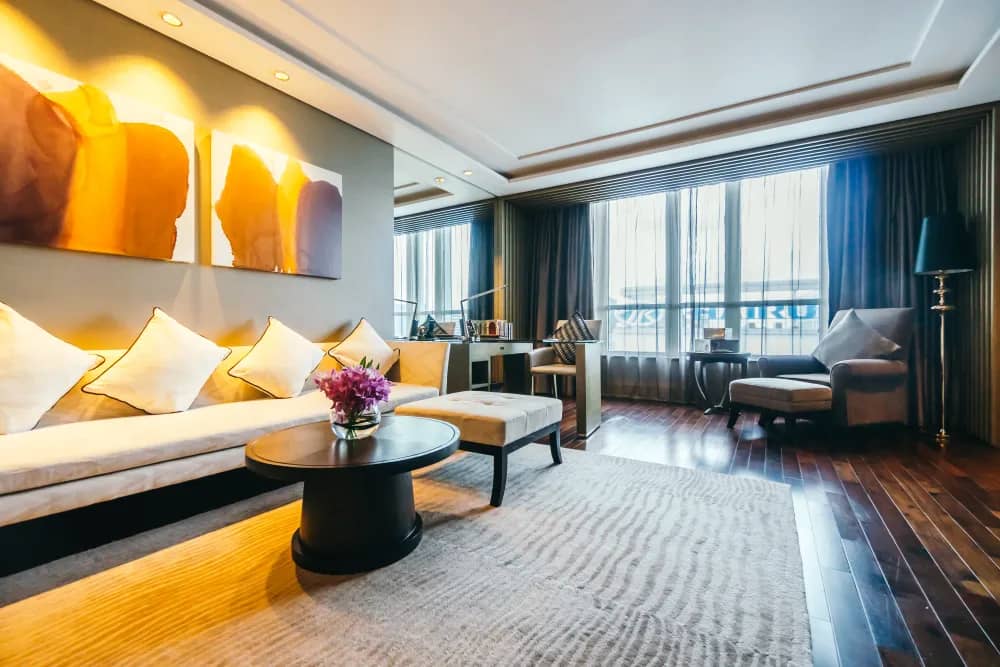
A Dh166M sale that reframes off-plan buying
A single off-plan apartment in Dubai recently changed hands for Dh166 million, making it one of the most expensive pre-construction residential transactions the city has recorded. The buyer committed that capital without a finished product to inspect, without a title deed in hand, and without the certainty of a completion date. To many observers outside the Dubai property market, that sounds irrational. To the UHNW buyers and family offices who drive this segment, it follows a clear investment logic.
This piece does not dwell on the headline figure. Instead it examines the three structural reasons why ultra-high-net-worth individuals consistently choose off-plan over ready property at the top end of the market: payment plan mechanics, developer track records, and the capital appreciation case that makes early commitment financially compelling.
How payment plans shift the capital efficiency equation
The most immediate advantage of buying Dubai off-plan projects at the luxury tier is cash flow structure. Rather than deploying the full purchase price on day one, buyers typically pay 10-20 percent on signing, then a series of milestone-linked installments across a 24-to-48-month construction period, with the balance due on handover. On a Dh166 million unit, that structure could mean Dh33 million or less is committed in year one while the remainder sits in yield-generating instruments.
For buyers who are also managing global portfolios, that deferral has real value. The capital still at work elsewhere compounds during the construction window. At the same time, the asset itself is appreciating, often significantly, before the first key is handed over. Dubai's how to buy property in Dubai framework allows the buyer to resell the unit during construction as long as 30 percent of the purchase price has been paid to the developer, giving sophisticated investors an exit option before completion if market conditions shift.
Developer credibility is the risk filter at this price point
No UHNW buyer places Dh166 million with an unknown developer. At this level, the due diligence centers almost entirely on delivery track record. Developers such as Emaar Properties, Nakheel, and Meraas carry decades of completed inventory across Downtown Dubai, Palm Jumeirah, and other established addresses. That history of on-time, on-spec delivery is the primary underwrite for nine-figure pre-construction bets.
RERA's escrow regulations add a second layer. Under Dubai law, developers must deposit buyer installments into project-specific escrow accounts audited by the Real Estate Regulatory Agency. Funds cannot be redirected to other projects, and construction drawdowns are tied to verified completion milestones. For a buyer committing Dh166 million, that regulatory architecture materially reduces the risk of capital misuse even if the developer faces financial stress.
Buyers also assess the project's completion percentage at the time of purchase. An off-plan unit in a tower that is already 40 percent constructed carries a fundamentally different risk profile from one in a project that has only broken ground. Premium buyers rarely enter at inception; many wait for structural work to begin before committing, accepting slightly reduced upside in exchange for reduced execution risk.
Capital appreciation logic: why early entry wins in luxury
Dubai's luxury residential segment has demonstrated consistent price appreciation at the top end over the past four years. According to data tracked across the Dubai property market, prime waterfront and branded residences in communities such as Palm Jumeirah and Dubai Creek Harbour have recorded secondary market premiums of 20-40 percent above original off-plan prices on selected projects. For a buyer acquiring at launch price, that premium represents pure capital gain realized before the unit is even handed over.
The scarcity dynamic in ultra-luxury is also structurally different from mid-market. Developers release a limited number of signature units in any given tower, sometimes fewer than ten units at the highest specification tier. Once those are absorbed, there is no re-entry at the original price. UHNW buyers with conviction in a specific address and developer understand that waiting for a ready unit means paying a premium to the original buyer, with none of the payment plan benefit.
The Golden Visa connection and long-term residency planning
Property investment above Dh2 million qualifies buyers for a 10-year UAE residency through the UAE Golden Visa through Dubai property program. At Dh166 million, the Golden Visa is almost incidental to the financial thesis, but it is relevant to the broader residency and tax planning picture. The UAE levies no capital gains tax, no personal income tax, and no inheritance tax on property. For family offices structuring multigenerational wealth, those factors are as significant as the asset's price trajectory.
Many ultra-wealthy buyers who enter the Dubai real estate market at this price point are not purchasing a single unit in isolation. They are establishing a tax-efficient base, qualifying key family members for long-term residency, and building a property portfolio across multiple Dubai addresses over time. The Dh166 million transaction may be the anchor asset in a wider allocation, not the entirety of it.
What buyers should verify before committing at any luxury tier
Even at the ultra-luxury level, due diligence has non-negotiable components. Buyers should confirm the project is registered on the RERA Oqood system, that the escrow account details are disclosed in the sale and purchase agreement, and that the developer has no unresolved disputes logged with the Dubai Land Department. The SPA should specify a handover date with a defined grace period and outline the developer's obligations if that window is missed.
Service charges are a material ongoing cost that buyers sometimes underestimate on high-value units. A Dh166 million apartment in a full-service tower could carry annual service charges in the range of Dh400,000 to Dh700,000 or more depending on the building's amenity level and managed area. Buyers should use a service charge calculator as part of their pre-purchase modeling, not as an afterthought once the SPA is signed.
Working with a RERA-licensed broker who has transaction history in the specific project or with the specific developer is the most reliable way to navigate verification. The broker's fiduciary duty, combined with RERA's regulatory oversight, provides a framework that protects buyers well beyond what they would have in most other global luxury markets.
Frequently asked questions
Why would anyone buy a Dubai apartment for Dh166M before it is built?
The primary reasons are payment plan flexibility, early-entry pricing below the likely completed value, and the scarcity of signature units in ultra-luxury towers. UHNW buyers also benefit from the UAE's zero capital gains and zero personal income tax environment, which makes appreciation fully realizable on exit.
What protections do off-plan buyers have in Dubai?
RERA requires developers to hold buyer payments in project-specific escrow accounts, with construction drawdowns tied to verified milestones. Buyers can also register their purchase on the Oqood system, which provides legal recognition of ownership rights before the title deed is issued.
Can I resell an off-plan property in Dubai before it is completed?
Yes. Once 30 percent of the total purchase price has been paid to the developer, the buyer is generally permitted to transfer the unit to a new purchaser. The developer charges a transfer fee, and the transaction is registered with the Dubai Land Department.
Does a Dh166M property purchase qualify for the UAE Golden Visa?
The Golden Visa property threshold is Dh2 million. A Dh166 million purchase comfortably exceeds that, qualifying the buyer and eligible dependents for a 10-year renewable UAE residency. More detail on eligibility conditions is available in the UAE Golden Visa through Dubai property guide.
How do I assess whether a luxury off-plan developer is credible?
Review the developer's completed project history and check for any DLD-registered disputes. Confirm the project is listed on the RERA Oqood system and that escrow account details appear in the SPA. Prior delivery performance on comparable projects is the strongest single indicator of future reliability.
More Off-Plan posts
 Off-Plan
How Dubai's off-plan market works across every price point
From AED 400k studios to nine-figure penthouses, Dubai's off-plan market is built for buyers at every level. Here's how payment plans and incentives make it work.
By Roy El Baba Off-Plan
Who is buying AED5M+ off-plan property in Dubai right now
942 transactions above AED5M in a single quarter tells you demand is real. Here's the buyer profile driving Dubai's luxury off-plan boom.
By Roy El Baba Off-Plan
What booming developer profits mean for off-plan buyers
Dubai's listed developers posted AED 18.9 bn in combined net profit in H1. Here's what those numbers actually mean for buyers choosing an off-plan project.
By Roy El Baba Off-Plan
Dubai's new off-plan judicial safeguards explained
Dubai has introduced judicial safeguards that reshape how off-plan buyers are protected. Here is what the changes mean before you sign a payment plan.
By Roy El Baba