Al Zorah City
Ajman community · 0 off-plan projects
About Al Zorah City
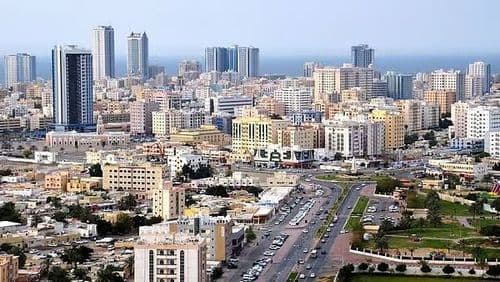
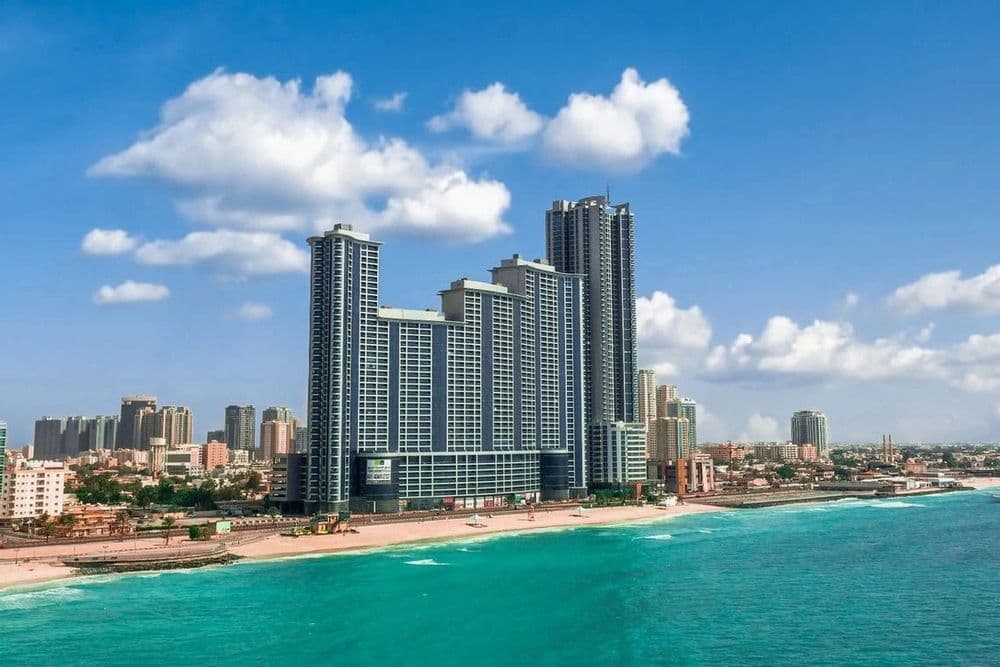
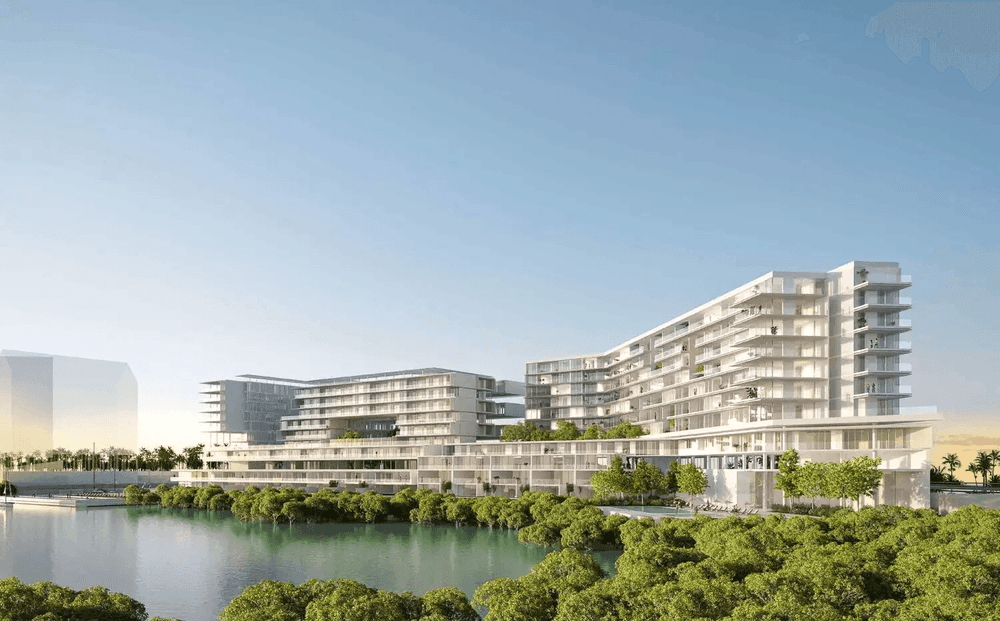
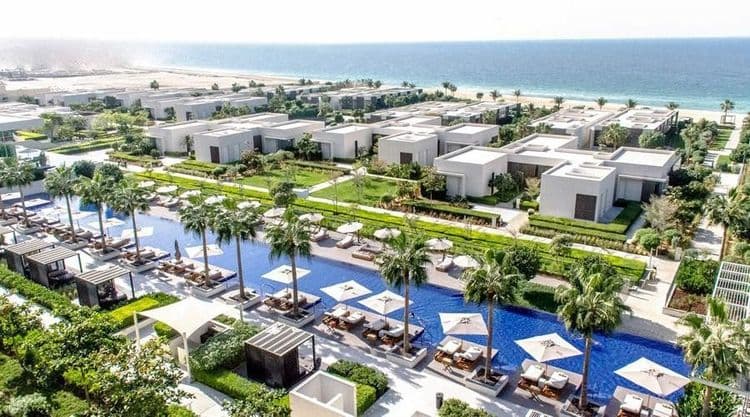
Al Zorah City is a low-density, master-planned coastal community in Ajman — roughly 25 kilometres north of Dubai's Deira border — built around a protected mangrove reserve, an 18-hole championship golf course, and direct beach access. It's aimed squarely at buyers who want the water-and-green lifestyle without the Dubai price tag. Our honest take: this is one of the most coherently planned mixed-use destinations outside Dubai, and it's still early enough that patient investors can get in ahead of the curve. Nine active projects in our catalogue signal a supply pipeline that's building momentum without yet flooding the market.
Market overview
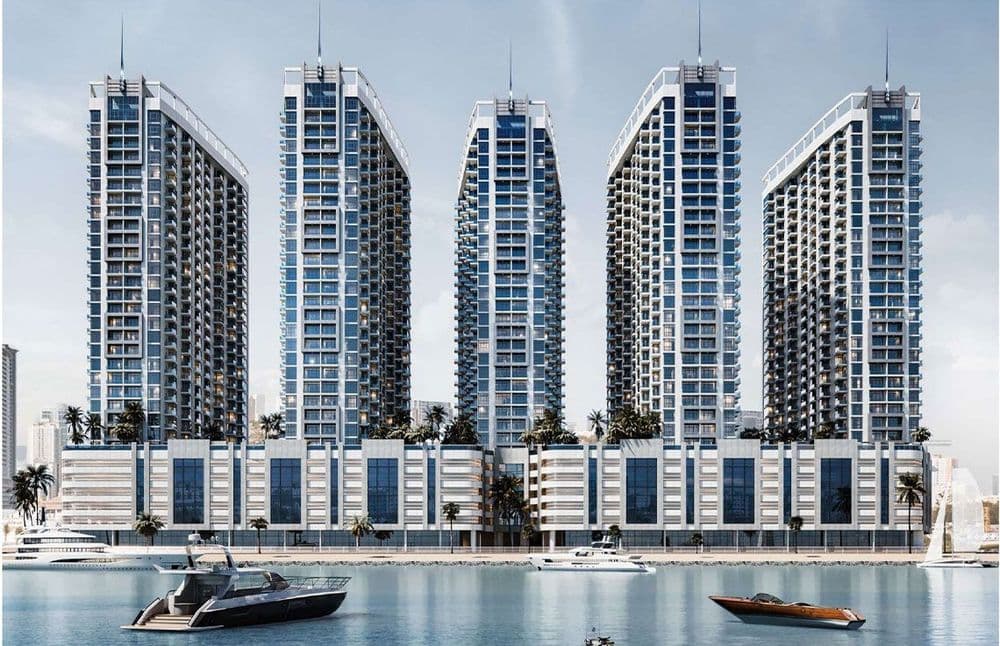
Al Zorah City currently has 9 projects active in our catalogue, spanning villas, mansion-scale residences, waterfront apartments, and golf-view units. The developer mix is telling: Al Zorah Development Company anchors the community with five of those nine projects — Beach Hills Villas, Gateway Porto (two listings), Sealine Residences, Seaside Hills Residences, and The Creekside Residence — while GFS Developments, Fahim Developers, and Solidere International bring independent capital and credibility to the pipeline. Solidere International, the Beirut-based urban regeneration group, is a particularly notable name; their Sea Glints Mansions signals that institutional-grade developers are taking Al Zorah seriously.
Delivery dates range from Q1 2026 (Eden Golf Views) through Q1 2028 (The Creekside Residence) and Q1 2029 (Canterbury Waterfront), with several projects carrying no confirmed handover date yet. That spread means buyers can choose between near-term delivery and longer off-plan holds depending on their strategy.
On pricing, Al Zorah sits in a genuinely different bracket from Dubai's coastal communities. Entry-level apartments in the community trade at a meaningful discount to comparable Dubai Marina or Creek Harbour stock — broadly in the AED 700–1,100 per sqft range for mid-rise residential, with villa and mansion product pushing higher depending on plot size and water frontage. These are market-knowledge estimates; always verify live pricing with our team before committing.
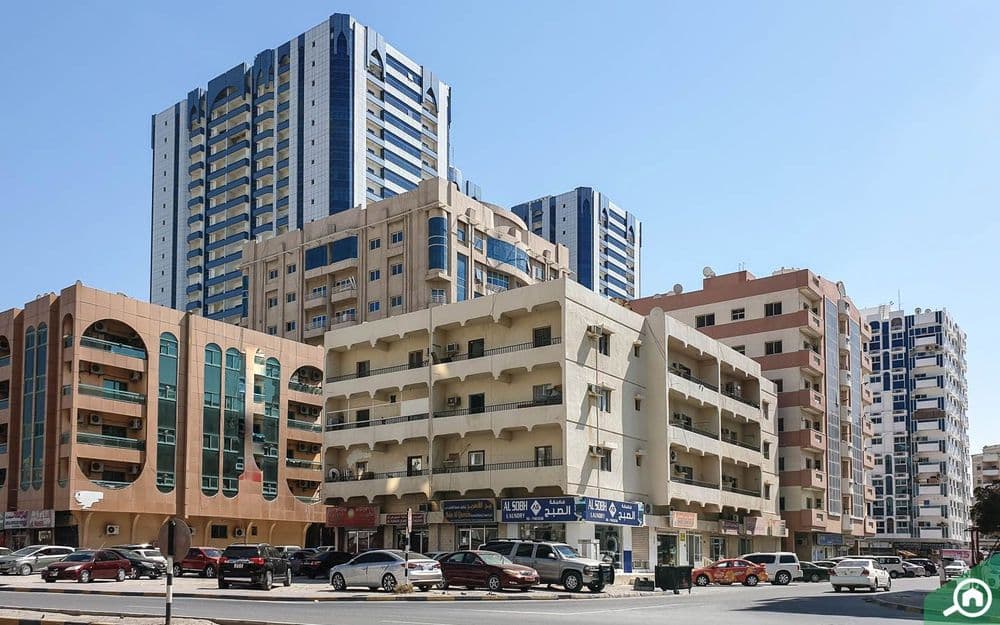
In our experience, buyers who compare Al Zorah to Ajman's older stock are making the wrong comparison. The correct peer group is Dubai's second-tier waterfront communities — and on that basis, the value gap is still real. The master-plan controls density tightly, which protects long-term values in a way that unplanned Ajman corridors simply can't replicate.
One honest caveat: transaction liquidity is thinner here than in Dubai. Resale volumes are lower, and the secondary market is still maturing. That's a risk worth pricing in, not ignoring.
Living in Al Zorah City
The defining feature of daily life here is the natural environment. The community wraps around a 1.5-million-square-metre mangrove reserve — one of the few protected coastal ecosystems in the Northern Emirates — and the Al Zorah Golf Club's 18-hole course threads through the master-plan. Mornings here genuinely feel different from Dubai: quieter, greener, with flamingos a realistic sighting rather than a marketing promise.
The beach is clean and uncrowded. That last point matters more than it sounds.
Our buyers who choose Al Zorah tend to fall into two clear groups. The first is the Dubai professional — typically 35–55, often with children — who's priced out of Palm Jumeirah or Jumeirah Bay but refuses to compromise on water access and open space. The second is the semi-retired or remote-working buyer who wants a permanent base that doesn't feel like a city. Singles and young couples do buy here, but this is unambiguously a family and lifestyle-led neighbourhood, not a nightlife hub.
Dining and retail within the community are still developing. The Al Zorah Beach Club and the golf clubhouse provide the social anchors, and there are F&B outlets along the waterfront promenade. For a broader restaurant and retail spread, residents drive into Ajman City or cross into Sharjah — neither is a hardship given the distances involved. The honest picture is that Al Zorah is not yet self-sufficient for daily errands; it's a destination to come home to, not a walkable urban village. That will change as the pipeline delivers, but buyers should go in clear-eyed.
Walkability within the community itself — between the beach, golf course, and residential clusters — is genuinely good by UAE standards. The scale is human, not car-dependent.
Schools, healthcare & retail
Schools within reach (10–20 min drive):
- Several established British and Indian curriculum schools in Ajman City
- Sharjah's education corridor (University City area) within 20–25 minutes
- A range of private schools along the Sharjah–Ajman border zone
Healthcare:
- Ajman's Sheikh Khalifa Hospital is the main public referral facility
- Private clinics and day-surgery centres in central Ajman, roughly 10–15 minutes away
- Thumbay Hospital (Ajman) is a well-known private option in the emirate
Retail & daily needs:
- Ajman City Centre mall, approximately 10–15 minutes by car, covers supermarket, cinema, and mid-market retail
- City Centre Sharjah and Sahara Centre are accessible within 20–25 minutes for a broader retail offer
- Within Al Zorah itself, the waterfront promenade has F&B and convenience retail, with more planned as the pipeline delivers
Leisure & community:
- Al Zorah Golf Club (18-hole championship course, on-site)
- Al Zorah Beach Club (on-site)
- Mangrove nature reserve with kayaking and wildlife trails
- Ajman Corniche, a short drive north, for casual waterfront walking
Getting around
Al Zorah sits on the Ajman coastline, accessed primarily via Sheikh Mohammed Bin Zayed Road (E311) and the Emirates Road (E611) corridor. Drive times from the community to key Dubai nodes run roughly as follows: Deira and Dubai Creek, around 25–30 minutes in light traffic; DIFC and Downtown Dubai, 40–50 minutes; Dubai Marina, 55–65 minutes; Dubai International Airport (DXB), 30–35 minutes; Al Maktoum International (DWC), 70–80 minutes.
Those numbers are honest in off-peak conditions. During the morning rush into Dubai — roughly 7:30 to 9:30 am — add 15–25 minutes to any Dubai-bound journey. The E311 is the workhorse route and it does congest. Residents who commute daily to DIFC or Business Bay should factor that in seriously.
There is no metro connection. Al Zorah is car-dependent for anything beyond the community itself, and that's unlikely to change in the medium term. The Etihad Rail national network has a station planned for Ajman, but commuter rail into Dubai is not on the near-term horizon.
For school runs, the proximity to Ajman and the Sharjah border means several established schools are within a 10–15 minute drive. DXB's accessibility in under 35 minutes is a genuine practical advantage for frequent travellers — one of the better arguments for Al Zorah over more remote Northern Emirates communities.
Investment outlook
Al Zorah sits in the mid-market to upper-mid-market band for the Northern Emirates, and rental yields here tend to run ahead of prime Dubai. Based on comparable low-density coastal communities outside Dubai's core, gross yields in the 7–9% range are achievable on well-priced units, particularly for furnished apartments and smaller villa formats that attract short-term and holiday-let demand. The golf and beach positioning supports premium short-let pricing during cooler months.
Capital appreciation is the more interesting story. Al Zorah is still in its infrastructure build-out phase. The projects delivering in 2026–2029 will materially change the community's critical mass — more residents means more F&B, more retail, more reason for the next wave of buyers to pay up. Early movers in master-planned communities like this have historically seen the sharpest gains in the 18–36 months around the point when the community 'tips' into feeling complete. We're not there yet, but the trajectory is clear.
Resale liquidity is the honest risk. The secondary market in Al Zorah is thinner than Dubai's. If you need to exit quickly, you may have to price aggressively. Buyers should treat this as a 3–5 year minimum hold, not a flip.
The developer concentration — Al Zorah Development Company across five of nine projects — is both a strength and a watch point. A single master-developer controlling the community's pace and quality standards is generally positive for long-term values. It also means the community's trajectory is tied to one entity's execution.
Our editorial line: bullish, with patience required. Al Zorah is one of the few genuinely master-planned coastal communities outside Dubai where the fundamentals — protected natural environment, controlled density, credible developer roster — justify a medium-term conviction bet.
Frequently asked questions about Al Zorah City
Who are the main developers building in Al Zorah City?
The master developer is Al Zorah Development, a joint venture between the Ajman Government and Solidere International, and they're behind several projects in our catalogue including Gateway Porto, Sealine Residences, and The Creekside Residence. Solidere International is delivering the ultra-prime Sea Glints Mansions. You'll also find GFS Developments (Canterbury Waterfront) and Fahim Developers (Eden Golf Views) active here. In our experience, the master developer's involvement keeps infrastructure delivery on schedule, which matters a lot for off-plan buyers.
What rental yields can I expect in Al Zorah City?
Gross yields in Al Zorah currently range from 6–8% annually for well-positioned apartments, with short-term holiday-let potential pushing that higher given the beach and golf access. The area is still maturing, so long-term rental demand is building rather than established — we're honest about that. Buyers targeting yield should look at mid-size units in projects like Canterbury Waterfront or Sealine Residences, where the price point keeps yields attractive even after service charges.
How long is the commute from Al Zorah City to Dubai Marina or DIFC?
Al Zorah sits on the Ajman–Sharjah border, so commute times depend heavily on traffic. Off-peak, Dubai Marina is roughly 45–55 minutes via Sheikh Mohammed Bin Zayed Road, and DIFC around 50–60 minutes. During morning rush hour, add 20–30 minutes. Dubai International Airport is closer — typically 35–45 minutes. Most of our buyers here are either remote workers, retirees, or investors rather than daily Dubai commuters, so this is rarely a dealbreaker for the profile Al Zorah attracts.
Are there schools and everyday amenities near Al Zorah City?
The community is still developing its internal retail and F&B, but Ajman city centre — with supermarkets, clinics, and schools — is 10–15 minutes away. For schooling, several established options sit within a 20-minute drive, including Ajman Academy and schools along the Sharjah border corridor. The Al Zorah Golf Club, a private beach club, and mangrove kayaking trails are already operational on-site. We always advise buyers with school-age children to factor in the school run before committing.
Can non-UAE nationals buy freehold property in Al Zorah City?
Yes — Al Zorah is a designated freehold zone, meaning expatriates and foreign nationals can purchase with full ownership rights. This was a deliberate decision by the Ajman Government to attract international capital, and in our experience it's one of the key reasons developers like Solidere International chose to build here. Title deeds are issued through the Ajman Land Department. We handle the full registration process for our buyers, so there are no surprises on the legal side.
Get the Al Zorah City market brief
Live listings, off-plan launches, recent transactions and rental yields — direct from our advisors. No inflated commissions, no spam. One business-day reply.