Al Wadi Desert, Ras Al Khaimah
Ras Al Khaimah community · 0 off-plan projects
About Al Wadi Desert, Ras Al Khaimah
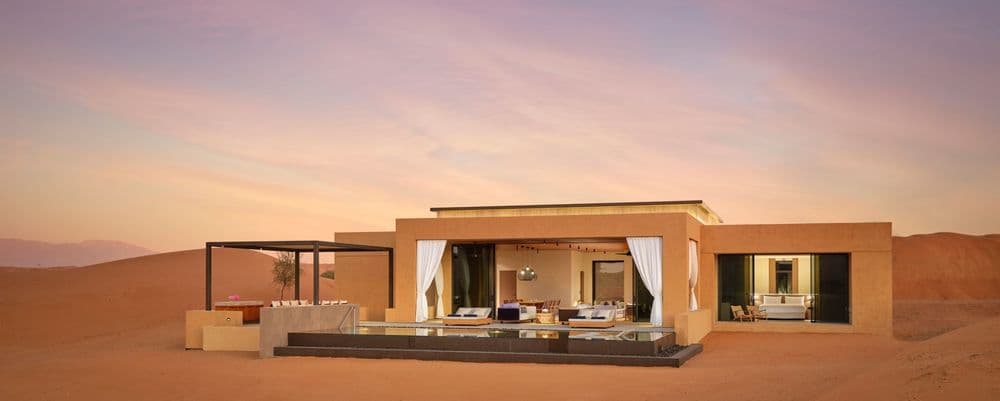
Al Wadi Desert sits in the northern reaches of Ras Al Khaimah, where the Hajar Mountains meet open desert terrain. This is not a city neighbourhood — it's a low-density, nature-reserve-adjacent address that draws buyers who are done with tower living and want something genuinely different. Our honest take: Al Wadi is one of the most compelling ultra-low-density residential propositions in the UAE right now, precisely because supply is tight, the brand anchoring it is serious, and the lifestyle gap between here and anywhere in Dubai is enormous.
Market overview
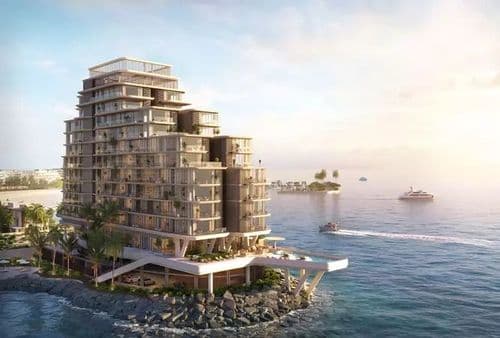
Our catalogue currently lists one active project in Al Wadi Desert: The Ritz-Carlton Residences RAK, developed by RAK Hospitality. One project. That's not a weakness — it's the entire point of this address. Al Wadi is not a master-planned suburb with dozens of competing towers. It's a controlled, low-footprint community where scarcity is structural, not temporary.
The Ritz-Carlton brand anchors the area's positioning firmly in the upper tier of the RAK residential market. Branded residences in the UAE — particularly those attached to five-star hospitality operators — typically command a meaningful premium over unbranded stock in the same emirate. In RAK, where the broader residential market trades at a significant discount to Dubai, that premium still leaves buyers well below what an equivalent branded product would cost in Palm Jumeirah or Downtown Dubai. That gap is the investment thesis in one sentence.
Price per square foot in Al Wadi Desert reflects the branded-residence premium and the desert-resort setting. Expect figures meaningfully above the RAK city average, which itself has been climbing off the back of sustained demand from Dubai spillover buyers and international second-home seekers. We'd estimate current pricing in the AED 2,000–3,000 per sqft range for this tier of product, though buyers should verify live pricing directly with us.
In our experience, branded-residence buyers in this segment are rarely purchasing a primary home. The typical profile is a Dubai-based professional or a European or GCC national buying a second home with a hotel-managed rental programme in the background. That shapes the market dynamic: this is not a high-churn, high-volume market. Transactions are fewer, ticket sizes are larger, and the buyer pool is self-selecting.
Supply discipline here is real. The nature reserve surrounding Al Wadi imposes hard limits on what can be built. That's a structural ceiling on future competition — and in our view, one of the strongest arguments for buying here over a comparable product in a more open-land emirate.
Living in Al Wadi Desert
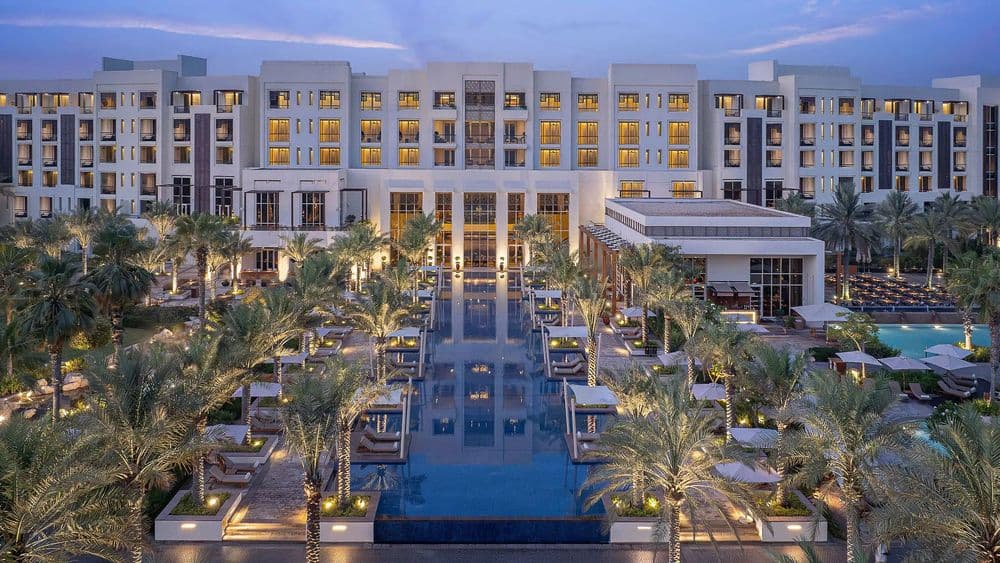
Al Wadi is unambiguously a resort-lifestyle address. The Ritz-Carlton Al Wadi Desert has been operating here for years, and the residential product sits within — or directly adjacent to — that ecosystem. Guests and residents share access to the nature reserve, which covers a substantial area of protected desert and supports native wildlife including Arabian oryx.
This is not a neighbourhood for someone who wants to walk to a supermarket. The lifestyle is deliberately unhurried: morning desert walks, equestrian facilities, spa access, and the kind of quiet that's genuinely hard to find anywhere in the UAE. Our buyers who purchase here are not looking for convenience — they're paying a premium to escape it.
Demographically, we see this attracting four types of buyer. First, senior Dubai professionals in their 40s and 50s who want a weekend retreat within driving distance. Second, European and British second-home buyers drawn by the climate, the nature setting, and the managed-rental income potential. Third, GCC nationals — particularly Kuwaiti and Saudi buyers — who have historically favoured RAK for its relative privacy and lower density. Fourth, a smaller cohort of full-time residents who work remotely or are semi-retired and genuinely want to live outside a city.
Families with school-age children are a minority here. The commute to RAK city schools or Dubai schools is real, and the area doesn't have the neighbourhood infrastructure that family buyers typically need day-to-day. Singles and couples, or families with older children, fit the profile far better.
The vibe is calm, considered, and — frankly — a little exclusive by default. Not because of gates and guards, but because the product type and price point filter the buyer pool naturally. That suits the community well.
Schools, healthcare & retail
Schools (approximate distances from Al Wadi)
- RAK Academy — British curriculum, RAK city, approximately 25–30 minutes
- GEMS schools network — various campuses in RAK and northern Dubai within 30–45 minutes
- The American University of Ras Al Khaimah (UAEU) — higher education, RAK city
Healthcare
- RAK Hospital — the emirate's leading private hospital, RAK city, approximately 25–30 minutes
- Ibrahim Bin Hamad Obaidallah Hospital — public facility, RAK city
- The Ritz-Carlton Al Wadi Desert has on-site wellness and medical support for guests and residents
Retail & daily needs
- Al Naeem Mall — RAK's primary retail hub, approximately 25–30 minutes
- Manar Mall — RAK city, similar distance
- Day-to-day grocery and convenience retail is available in RAK city; there is no walkable retail within Al Wadi itself
Leisure & dining on-site
- Multiple dining outlets within the Ritz-Carlton Al Wadi Desert resort
- Equestrian centre
- Desert nature reserve with guided wildlife experiences
- Spa facilities
Buyers should be clear-eyed: Al Wadi is not self-sufficient for daily errands. The trade-off is deliberate — you're buying into a resort setting, not a suburb.
Getting around
Al Wadi Desert sits roughly 100 kilometres north of Dubai, placing it approximately 60–75 minutes from Downtown Dubai and the Burj Khalifa under normal traffic conditions via Sheikh Mohammed Bin Zayed Road (E311) and the Emirates Road corridor. DIFC is a similar drive. Dubai Marina is broadly comparable — around 70 minutes depending on the time of day.
Dubai International Airport (DXB) is roughly 75–90 minutes away. Ras Al Khaimah International Airport is considerably closer — around 25–30 minutes — and has been expanding its route network, which matters for international second-home buyers flying in directly.
There is no metro connection. None is planned. This is a car-dependent address, full stop. Residents drive or use the hotel's transfer services.
The honest connectivity verdict: fine for weekend use, manageable for remote workers, genuinely demanding for anyone commuting to Dubai daily. The E311 is one of the UAE's better inter-emirate roads, but the final stretch into RAK can slow during peak hours. Buyers should do the drive themselves on a weekday morning before committing — we always recommend it.
For school runs, RAK city is the nearest hub with a reasonable selection of curricula. Budget 25–35 minutes each way.
Investment outlook
Branded residences in the UAE have demonstrated a consistent pattern: they hold value better than unbranded stock in the same submarket during downturns, and they attract a more liquid international buyer pool on resale. Al Wadi's single-project supply structure reinforces this — there's no competing tower two streets away undercutting your asking price.
Rental yields in this segment are harder to pin down than in a conventional residential market. Hotel-managed rental programmes typically offer owners a revenue-share arrangement rather than a fixed yield, and actual returns depend on occupancy rates, operator fees, and seasonal demand. RAK's tourism numbers have been growing steadily, and the Ritz-Carlton brand carries genuine international booking power. Gross yields in the 5–7% range are plausible for well-managed branded units in this tier, though we'd encourage buyers to stress-test the operator's historical occupancy data before relying on any yield projection.
Capital appreciation in RAK has been accelerating. The emirate has benefited from a combination of infrastructure investment, casino-resort announcements, and sustained demand from buyers priced out of Dubai's prime market. Al Wadi sits at the premium end of that wave. Early-mover buyers who purchased Ritz-Carlton-adjacent product in RAK before the broader market re-rated have done well. Whether that re-rating has further to run is the key question.
Our view: we're bullish on Al Wadi Desert for the medium term. The combination of a hard supply cap, a globally recognised hospitality brand, and RAK's ongoing infrastructure story creates a genuinely differentiated asset. This isn't a flip trade — it's a 5-to-10-year hold for buyers who understand what they're buying. If you're looking for quick resale liquidity, look elsewhere. If you're building a portfolio with a low-density, nature-adjacent anchor, this is one of the cleanest options in the northern emirates.
Frequently asked questions about Al Wadi Desert, Ras Al Khaimah
Who are the main developers active in Al Wadi Desert?
The community is a RAK Properties and Majid Al Futtaim joint venture, which gives it serious institutional backing. The Ritz-Carlton Al Wadi Desert operates within the reserve and has historically anchored the branded-residence component. Because the master plan is tightly controlled, you won't find the fragmented developer mix you see in some Dubai communities — that consistency is something our buyers genuinely appreciate when it comes to quality control.
What rental yields can I expect at Al Wadi Desert?
Gross yields on short-term holiday-home rentals here typically run 6–9% per year, outperforming many Dubai villa communities, largely because nightly rates for eco-reserve properties are high and occupancy is strong across cooler months (October–April). Long-term leasing is less common in this community. We usually model a conservative 70% occupancy rate for our buyers' projections, and the numbers still look attractive compared with comparable luxury product in Dubai.
How long is the commute from Al Wadi Desert to Dubai?
The drive from Al Wadi Desert to Dubai Marina takes roughly 60–70 minutes via Sheikh Mohammed Bin Zayed Road under normal traffic conditions. DIFC is around 75–85 minutes. RAK's own growing business district is under 30 minutes away. For buyers who work remotely or travel frequently, RAK International Airport is about 25 minutes from the community, with connections to major hubs. We see this commute as very manageable for a weekend-home buyer or a remote-working professional.
What schools and family amenities are near Al Wadi Desert?
The community itself is designed around nature and privacy rather than urban conveniences, so schooling requires a short drive. GEMS Westminster School RAK and RAK Academy are both within 20–30 minutes and carry solid KHDA-equivalent ratings. For day-to-day needs, Al Hamra Mall is about 15 minutes away. Within the reserve you have the Ritz-Carlton spa, horse-riding, falconry, and a nature trail network — so families with school-age children typically pair this with a weekday base closer to the city.
Can I get a UAE residency visa by buying in Al Wadi Desert?
Yes. RAK follows the same federal rules as Dubai. A property purchase of AED 750,000 or more qualifies you for a 2-year investor visa, while purchases at AED 2 million+ open the door to the 10-year Golden Visa. Most units at Al Wadi Desert comfortably clear both thresholds. We handle the visa coordination for our buyers as part of the transaction process, so you won't need to navigate the RAK Land Department paperwork alone.
Get the Al Wadi Desert, Ras Al Khaimah market brief
Live listings, off-plan launches, recent transactions and rental yields — direct from our advisors. No inflated commissions, no spam. One business-day reply.