

Dubai property sales fell 16%, yet prices keep rising
Transaction volumes dropped 16% but Dubai home prices are still climbing. Here is what that signals for buyers weighing whether to act now or wait.

What the 16% volume drop actually signals
A 16% fall in residential transaction volumes sounds like the beginning of a correction. In most markets, fewer deals closing would put downward pressure on prices. Dubai's current cycle is doing the opposite, and the reason lies in how this market is structured rather than any short-term anomaly.
Transaction volume and price movement are separate signals. Volume tells you how many buyers and sellers were willing to meet at a price. Price tells you where they met. When volume falls while prices hold or rise, it typically means sellers are not under pressure to discount. In Dubai's case, a constrained resale supply combined with sustained end-user and investor demand is keeping the floor firm, even as deal counts drop.
Supply constraints are doing the heavy lifting
The Dubai property market has a structural supply issue on the secondary side. Many owners who bought between 2020 and 2022 are sitting on significant paper gains and have little incentive to sell unless they receive full asking price or above. This reluctance creates a thinner resale pool, which mechanically supports prices even when fewer transactions complete.
On the ready-home side, communities like Downtown Dubai and Palm Jumeirah have seen listing inventories tighten considerably over the past 18 months. Owners in these locations are aware of the demand profile and price accordingly. Buyers who need a ready unit in a specific community face limited options, which removes their negotiating leverage.
The off-plan segment adds another layer. Developers have been pricing new launches at levels that anchor the secondary market upward. When a new off-plan project in Dubai launches at AED 2,800 per square foot in a community where resale stock sits at AED 2,400, buyers reassess what the resale represents as relative value. That dynamic has been running in several mid-to-premium communities throughout 2024 and into 2025.
Investor behavior is reinforcing the trend
A meaningful share of Dubai's transaction volume is investor-driven rather than owner-occupier-driven. When market sentiment shifts, investors tend to pause before end-users do. An investor watching yields compress or monitoring global interest rate signals might sit out a quarter. An end-user who needs a home does not have that flexibility. The 16% volume decline likely reflects investor hesitation more than a collapse in organic demand.
At the same time, investors who already hold assets are not exiting. Rental yields in established communities remain competitive. Areas like Dubai Marina and Jumeirah Village Circle are still delivering gross yields in the 6% to 8% range for well-priced units, which gives existing owners a strong reason to hold rather than liquidate. Fewer sellers entering the market at a time of stable rental income is a straightforward recipe for price support.
What this cycle means if you are a buyer right now
Buyers often assume that falling transaction volumes create bargaining power. That logic works when sellers are distressed or when supply is plentiful. Neither condition applies to Dubai's current market. If you are searching for Dubai properties for sale and waiting for a price correction driven by lower volumes, the data does not support that strategy in the near term.
The more relevant question is whether the asset you are considering is priced at fair value relative to its community average, not whether the broader market will soften. Overpaying 10% above community median in a rising market still produces a loss relative to a better-selected purchase. Understanding how to buy property in Dubai correctly, including realistic cost modelling, matters far more than trying to time a macro correction.
For buyers with flexibility on timing, off plan Dubai purchases from reputable developers can offer structured payment plans that reduce the upfront capital burden, while locking in today's price before handover. This approach carries its own risks, primarily delivery timelines and developer track record, but it is a legitimate alternative to competing on an undersupplied resale market.
Communities that reflect the price-volume divergence most clearly
Dubai Hills Estate and Dubai Creek Harbour are two communities where the pattern is visible. Both have seen new launch pricing from Emaar Properties set benchmarks that tighten the relative value gap on resale units. In both cases, transaction volumes on the secondary market have moderated, yet asking prices on resale listings have not retreated.
Business Bay tells a slightly different story. It has a larger secondary inventory and more developer activity, which means buyers do have more options and moderate room to negotiate on specific listings. But even there, the best-condition, best-floor units are moving at or above asking. The divergence is not uniform across all product types. Location, floor level, view, and fit-out condition still drive material price differences within a single building.
The practical takeaway for buyers deciding now versus later
Waiting for a volume-driven correction to materialize as a price drop is a speculative call, not a conservative one. Prices in Dubai real estate are supported by factors that a 16% volume decline alone is unlikely to unwind: a thin resale supply, strong rental income for holders, off-plan anchoring from developer pricing, and continued end-user demand from an expanding resident base.
If you qualify for a UAE Golden Visa through a Dubai property purchase above the AED 2 million threshold, the calculus shifts further. The residency benefit adds a non-financial return that holding off means forgoing. Buyers in that bracket have additional reason to treat the purchase decision on its own merits rather than waiting for a broad market signal that may not arrive on the timeline they expect.
Run the numbers on a specific unit. Use tools like the service charge calculator to model your full annual holding cost before committing. A clear picture of acquisition cost, annual charges, and realistic yield or capital growth expectation is more useful than any view on market-wide transaction volumes.
Frequently asked questions
Why are Dubai property prices rising when sales volumes have dropped?
Fewer transactions do not automatically mean lower prices. In Dubai's current market, resale supply is constrained because existing owners see little reason to sell at a discount. When fewer properties are available relative to demand, sellers retain pricing power regardless of how many deals close in a given period.
Is now a good time to buy property in Dubai given the market conditions?
That depends on your specific asset, budget, and holding horizon. The data does not support waiting for a broad price correction driven by lower volumes. The stronger focus should be on selecting the right unit at a fair price within its community, rather than timing a macro shift. Full guidance on the process is available in our buying guide.
Which Dubai communities have the tightest resale supply right now?
Communities such as Downtown Dubai, Palm Jumeirah, and Dubai Hills Estate have seen particularly thin resale inventories, which is contributing to firm asking prices. Business Bay has a somewhat larger secondary supply and offers more options for negotiation on select listings.
How does off-plan pricing affect the resale market in Dubai?
When developers launch new projects at prices above current resale levels in the same community, it raises the perceived value of existing stock. Resale sellers adjust their expectations upward, which keeps secondary market prices firm even as transaction volumes moderate.
Does a 16% drop in Dubai property sales mean a correction is coming?
Not necessarily. A volume decline reflects reduced transaction activity, not a structural imbalance that forces prices down. Dubai's market is currently characterized by motivated buyers and unmotivated sellers, which supports prices. A correction would require a meaningful increase in distressed or motivated selling, which current rental yields and payment plan structures are not producing.
More Market Insights posts
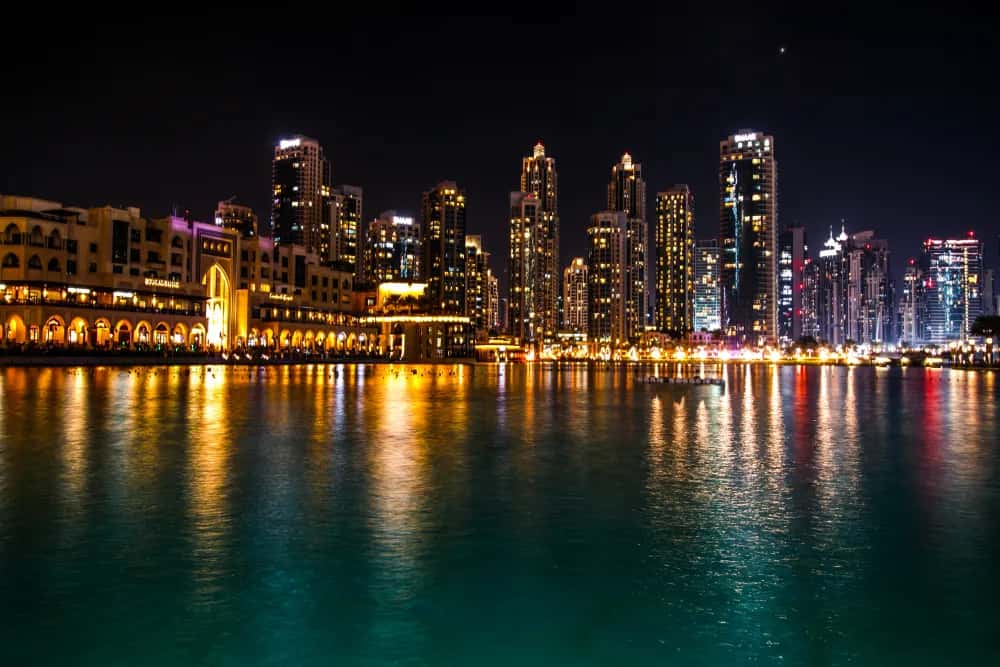 Market Insights
Dubai supply wave 2026: what buyers need to know now
Tens of thousands of new units are due for delivery across Dubai and the UAE by end of 2026. Here is how smart buyers should position themselves before the wave lands.
By Roy El Baba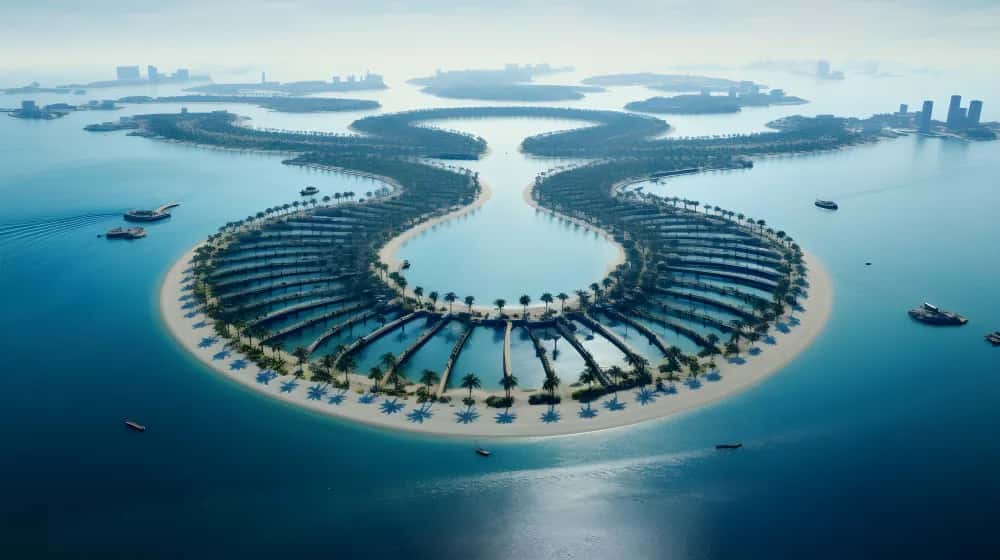 Market Insights
What a Dh260 million Palm Jumeirah sale tells buyers
A single villa transaction on Palm Jumeirah just hit Dh260 million. Here is what that figure reveals about micro-location pricing across the entire island.
By Roy El Baba Market Insights
Dubai hits AED 523bn in 8-month transactions: what it means for Q4
Dubai recorded AED 523.44bn in property transactions across the first eight months of the year. Here is what the deal-type breakdown tells investors about Q4 entry timing.
By Roy El Baba Market Insights
Dubai's $12.6bn August: what the numbers actually tell you
Dubai recorded $12.6bn in total transactions in August, with a single Palm Jumeirah villa selling for $21.5m. Here is what the segment data means for buyers and investors.
By Roy El Baba