
Dubai's former zoo site shows a new planning era
A 90-home low-density community is planned for the former Dubai Zoo site. Here is what that signals about where the city's urban planning is heading.
What is planned for the former Dubai Zoo site
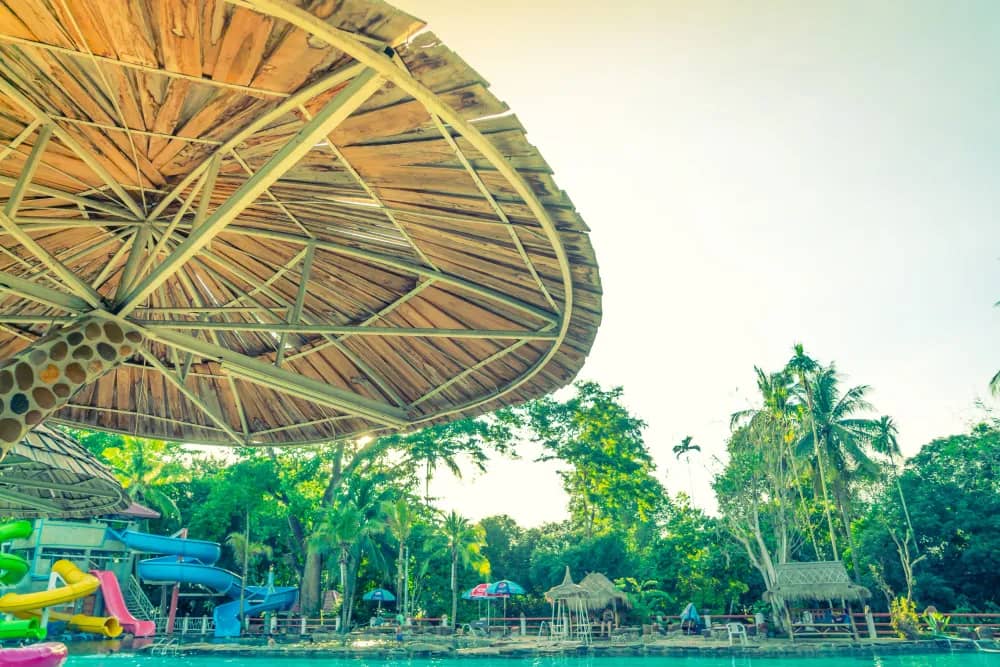
A 90-home residential community is set to rise on the site previously occupied by Dubai Zoo, one of the city's oldest public landmarks before its relocation. The development is designed around walkability, with communal facilities intended to reduce reliance on cars within the boundary of the community itself. No developer has been publicly named at this stage, and pricing has not been disclosed.
The scale is deliberately modest by Dubai standards. Ninety homes on a city-centre-adjacent plot signals a conscious choice to build inward rather than upward, prioritising resident experience over unit density. That is a meaningful departure from the tower-led model that has defined much of Dubai's residential growth over the past two decades.
Why low-density, pedestrian-first design matters now
Dubai's urban planning conversation has shifted noticeably since the pandemic. Demand for homes with outdoor space, walkable streets, and human-scale surroundings rose sharply after 2020 and has not fully retreated. Communities like Dubai Hills Estate and Arabian Ranches have consistently outperformed tower submarkets on per-square-foot price growth precisely because they offer exactly this: space, greenery, and a street life that does not require getting into a car for every errand.
The former zoo site sits in a mature, established part of the city rather than on the urban fringe. Building a low-density neighbourhood there, rather than a high-rise tower, reflects a recognition that not every well-located plot needs to be maximised for floor count. For buyers, that is significant. A walkable community of 90 homes in a central location will hold scarcity value that a 500-unit tower rarely achieves.
Legacy land redevelopment as a broader Dubai trend
The former zoo project is not an isolated case. Dubai has been systematically repurposing legacy public-use land, from old government facilities to industrial plots, into mixed-use or residential schemes. This approach transforms underutilised assets into taxable, inhabited neighbourhoods while preserving the city's density balance in established districts.
Buyers looking at the Dubai property market should track these conversions closely. When government or semi-government land in mature areas is rezoned for residential use, the surrounding property values typically respond positively. Proximity to a well-designed, low-density community raises the appeal of adjacent streets and older stock in the same postal zone.
If you are assessing how to approach this type of opportunity, the guide on buying property in Dubai covers the acquisition process from initial search through DLD registration, including what to verify before committing to an off-plan or newly announced project.
What pedestrian-first design actually means for buyers
The phrase 'walkable community' is used loosely in Dubai marketing. In practice, genuine walkability requires a minimum threshold of density, mixed ground-floor uses (cafes, pharmacies, small retail), safe crossing infrastructure, and shade. A 90-home community alone does not automatically deliver all of that; it depends heavily on the masterplan and its relationship to surrounding streets.
Buyers should ask specific questions before purchasing in any project marketed as pedestrian-friendly: What is the ground-floor activation plan? How far is the nearest metro or tram stop? Is the surrounding road network designed for pedestrians or primarily for through traffic? These questions apply equally whether you are looking at Dubai Marina, Jumeirah Village Circle, or a newly announced scheme on repurposed land.
Service charges are also worth modelling early. Smaller communities with high-quality communal facilities tend to carry elevated per-square-foot service charges relative to large-scale towers. Use a service charge calculator to stress-test the annual running costs before you are committed.
Investment implications for the Dubai real estate market
From an investment standpoint, low-density residential in established Dubai locations sits in a relatively thin supply band. The city produces far more apartment units than villas or townhouses annually, which means genuine scarcity exists for the latter. A 90-home release, if priced sensibly relative to the surrounding area, is likely to see strong absorption regardless of broader market sentiment.
For buyers interested in off-plan Dubai opportunities in this format, the key risk to underwrite is delivery. Smaller project counts can mean faster construction timelines, but they also mean a single contractor's performance has an outsized effect on handover dates. Check the developer's track record on previous comparable projects and verify the escrow arrangement with the DLD before paying any reservation deposit.
Investors who qualify for the UAE Golden Visa through Dubai property should also note that a AED 2 million freehold purchase in a community like this would satisfy the property value threshold, provided freehold title is available on the plot. Confirm zoning status and ownership structure with your agent before assuming leasehold or freehold classification.
How to position yourself before the project launches formally
With no developer or pricing confirmed yet, the practical move right now is to benchmark comparable low-density stock in the same catchment. Look at what finished villas and townhouses in adjacent communities are trading at per square foot, and what service charges those communities carry. That gives you a reference point to evaluate the new project's pricing when it is announced, rather than relying solely on the developer's comparables.
You can browse current Dubai properties for sale across villa and townhouse segments to build that pricing context. When the former zoo site project does launch formally, a grounded sense of the surrounding market will put you in a stronger negotiating position, whether you are purchasing as a primary residence or as a rental income asset.
Frequently asked questions
Where exactly is the former Dubai Zoo site located?
The original Dubai Zoo was located in Jumeirah 1, on Jumeirah Beach Road. The site is in a well-established residential district close to the coast, making it one of the more centrally positioned land parcels to be redeveloped for housing in recent years.
Is the 90-home community available for purchase yet?
No. At the time of writing, no developer, launch date, or pricing has been officially announced. Interested buyers should monitor DLD project registration updates and work with a licensed broker to be notified when the project enters the market formally.
What makes a low-density community a better investment than a high-rise apartment in Dubai?
Supply is the primary driver. Dubai adds far more apartment units to inventory each year than villas or townhouses, which keeps scarcity and resale premiums higher for the latter. Low-density communities in established locations also tend to attract owner-occupiers rather than short-term investors, which contributes to more stable pricing cycles.
How do I evaluate a newly announced off-plan community with limited details?
Start by benchmarking finished comparable stock in the same area using current transaction data from the DLD's Dubizzle or Property Finder portals. Verify the developer's track record, confirm the escrow account registration, and check the plot's zoning classification and freehold status. Do not commit funds until those basics are confirmed.
Will a property in this community qualify for the UAE Golden Visa?
If the finished property is freehold, fully paid, and valued at AED 2 million or above, it would meet the property-related Golden Visa threshold. However, zoning, ownership structure, and the DLD's valuation assessment all need to be confirmed on a case-by-case basis before assuming eligibility.
More Market Insights posts
 Market Insights
What Dubai's 1.9% rental rise means for your wallet in 2026
Dubai rents rose 1.9% in 2026, but that average hides wide variation by community. Here's what tenants are actually paying extra at renewal.
By Roy El Baba Market Insights
Why a cooling Dubai market is a buyer's window
When Dubai property softens, history shows early movers win. Here is how to read the cycle and act before the next upturn locks you out.
By Roy El Baba Market Insights
Dubai ultra-prime home sales: what $6 billion tells us
Dubai's ultra-prime segment hit $6 billion in sales. Here's what that figure means for price thresholds, top locations, and HNW buyer behaviour.
By Roy El Baba Market Insights
What $3.8 billion in weekly Dubai transactions tells investors
Dubai recorded roughly $3.8 billion in property transactions in a single week. Here is what that deal velocity actually means if you are deciding when to buy.
By Roy El Baba