
JLT Dubai: the quiet Grade A commercial opportunity
JLT is no longer just a budget alternative to DIFC. Here is why commercial investors are repositioning into Jumeirah Lake Towers before the market reprices.
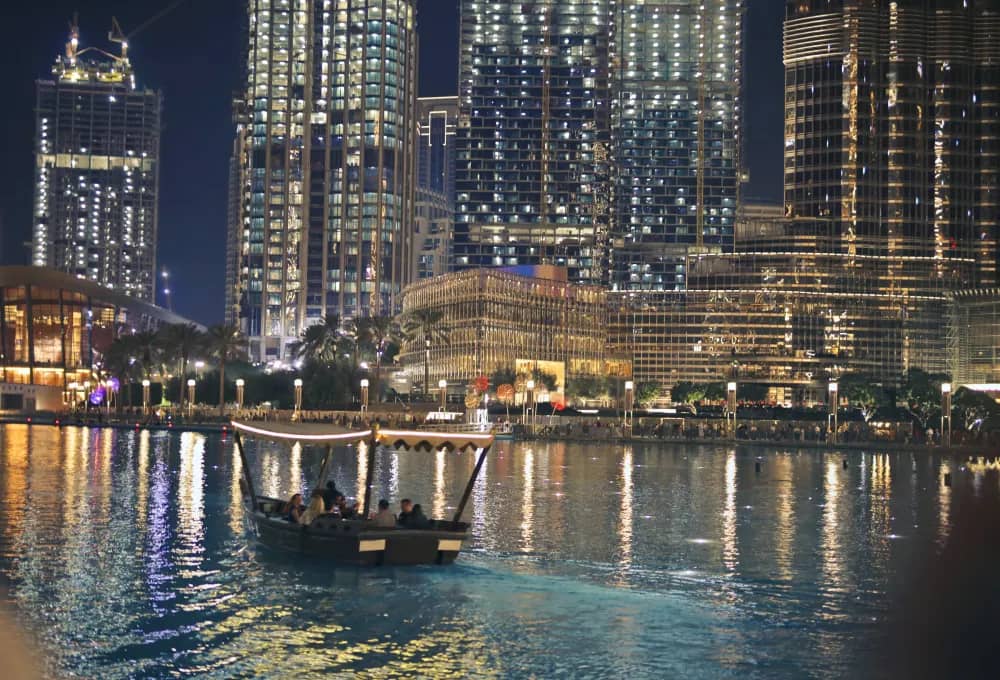
JLT Dubai: more than a budget DIFC alternative
For most of the past decade, Jumeirah Lake Towers carried a straightforward reputation: lower rents, lower prestige, and a tenant mix that reflected both. Businesses that could not afford Jumeirah Lake Towers (JLT) often defaulted there. That framing is now outdated, and investors who are still operating on it are likely mispricing the opportunity in front of them.
The shift is structural, not cyclical. New commercial completions in JLT are targeting Grade A specifications, infrastructure investment has accelerated, and the freezone designation under DMCC continues to attract a growing pool of internationally regulated businesses. The gap between JLT and Business Bay on pure office quality is narrowing faster than most market participants have adjusted for.
What Grade A actually means in the JLT context
Grade A classification in Dubai commercial real estate is not purely about lobby finishes. Lenders, international tenants, and institutional buyers assess floor plate efficiency, HVAC specifications, floor-to-ceiling heights, parking ratios, and building management systems. Earlier JLT towers largely missed on two or three of those criteria. The newer wave of commercial towers being delivered inside the cluster is being built to a different brief entirely.
Typical Grade A office space in DIFC currently trades at AED 250 to AED 350 per sq ft annually for fitted units, according to market data from H1 2024. Comparable quality in JLT is still pricing at AED 130 to AED 180 per sq ft in most buildings. That spread is the core investment thesis. As tenant quality improves and the district's profile rises, that gap closes, and owners who bought or leased early capture the repricing.
Investors evaluating commercial assets in the Dubai property market should note that JLT's rental yields on commercial units have been running between 7% and 9% gross in recent transactions, outperforming many residential asset classes in the city and sitting well above the yields available in DIFC or Downtown Dubai for comparable capital outlay.
DMCC freezone status as a structural advantage
JLT sits entirely within the Dubai Multi Commodities Centre freezone. That single fact explains a significant portion of its tenant demand that is often underappreciated in pure real estate analysis. DMCC is currently the world's largest freezone by registered company count, with over 22,000 businesses holding active licences. Those businesses need physical office space within the zone to maintain licence compliance, creating a captive, recurring demand base that does not exist in onshore commercial districts.
This is not a minor footnote. A freezone office in JLT gives a tenant 100% foreign ownership of their entity, zero corporate tax on qualifying income under specific structures, and the ability to repatriate profits without restriction. For a business choosing between JLT and Business Bay Dubai, the regulatory and tax architecture of the freezone often outweighs a marginal difference in commute time or lobby aesthetics. Commercial landlords in JLT are, in effect, selling two products: office space and a licence domicile.
Infrastructure improvements driving tenant quality upward
The Dubai Metro's Red Line has served JLT since 2010, with DMCC station sitting at the heart of the district. What has changed more recently is the surrounding soft infrastructure. Food and beverage quality within JLT has improved substantially, the lakeside promenades have been upgraded, and the cluster's connectivity to Dubai Marina means that employees have access to a residential and amenity catchment that rivals most commercial districts in the city.
Several buildings have also undergone significant retrofit programmes, upgrading cooling systems, lobby presentation, and digital infrastructure. This matters because one of the consistent objections institutional tenants raised about JLT historically was the variability in building management quality. As more towers reach the age where capital expenditure becomes unavoidable, owners are choosing to upgrade to Grade A rather than accept the rent discount that comes with deferred maintenance.
For investors comparing JLT to neighbouring Dubai Marina on residential yield, the commercial opportunity in JLT is distinct. Residential yields in Dubai Marina currently run around 6% to 7% gross. Commercial in JLT, as noted, is running above that, with less exposure to the seasonal vacancy patterns that affect serviced apartment and short-term rental stock along the Marina waterfront.
How to approach a JLT commercial investment in 2024
Buying commercial property in Dubai as a non-resident or foreign entity involves a different process than residential acquisition. DMCC freehold commercial units can be purchased outright, but due diligence on service charges, existing tenancy agreements, and the specific building's maintenance fund is critical. You can use our service charge calculator to benchmark what to expect before committing to a specific unit.
For buyers new to commercial real estate in Dubai, the guide to buying property in Dubai covers the registration and title deed process. Commercial transactions follow a similar DLD process to residential but often involve longer negotiation periods, particularly where tenants hold registered leases under RERA's commercial tenancy framework. Understanding the distinction between shell-and-core and fitted units is also important, as the gap in asking prices between the two can be AED 200 to AED 500 per sq ft depending on fit-out quality.
Investors targeting JLT for commercial exposure should also be aware of the UAE Golden Visa implications. A commercial property purchase of AED 2 million or more in a freezone qualifies the buyer for a UAE Golden Visa through Dubai property, providing long-term residency stability alongside the investment return. This is a meaningful ancillary benefit for internationally based investors who want a residency anchor in the UAE.
JLT versus the wider Dubai real estate landscape
Positioning JLT against the broader Dubai real estate opportunity requires honesty about the risks. The district still carries legacy perception issues with some multinational tenants who associate Grade A exclusively with DIFC or Downtown Dubai. Vacancy in older towers has been persistent, and not every building in the cluster is on an upgrade trajectory. Asset selection within JLT matters more than in a uniformly high-quality district.
That said, the fundamentals support a bullish view on the better-quality stock. Dubai's commercial market absorbed record office take-up in 2023, with total Grade A vacancy in the city falling to around 8% by year-end according to JLL's Dubai Office Market report. Supply additions are concentrated in a small number of locations, and JLT is one of the few established freezone clusters with remaining development plots and realistic yield metrics for private investors. The window before institutional capital reprices this more aggressively is not indefinite.
Frequently asked questions
Is JLT a freehold area for commercial property buyers?
Yes. Commercial units within JLT can be purchased on a freehold basis by foreign nationals and companies. The district falls under DMCC jurisdiction, which permits 100% foreign ownership of both the property and any business licensed within it.
What are typical office rental yields in JLT Dubai?
Based on recent market transactions, gross rental yields on commercial units in JLT have been ranging between 7% and 9%. This outperforms most residential asset classes in Dubai and significantly outperforms Grade A office yields in DIFC for equivalent capital invested.
How does JLT compare to Business Bay for office investment?
Business Bay offers onshore mainland offices with strong transport links and a diverse tenant mix, but yields are typically lower and there is no freezone benefit. JLT provides DMCC freezone status, which drives structural demand from licence-holding companies and supports more resilient occupancy levels in well-managed buildings.
Can buying a commercial property in JLT qualify me for a UAE Golden Visa?
A property purchase of AED 2 million or more, including commercial assets in freehold freezones like DMCC, qualifies the buyer for a 10-year UAE Golden Visa. This applies regardless of whether the property is residential or commercial.
What should I check before buying a commercial unit in JLT?
Key due diligence points include the building's service charge history, the status of any existing tenancy agreement, the maintenance fund reserve, whether the unit is shell-and-core or fitted, and the specific tower's building management quality. Service charges in JLT commercial buildings vary widely and have a direct impact on net yield.
More Investment posts
 Investment
What metrics Dubai property investors should track themselves
DLD data is free and public. Here is the analytical framework every Dubai property investor should build before spending a dirham.
By Roy El Baba Investment
Why Indian HNWIs keep choosing Dubai real estate
Indian buyers are the largest single investor group in Dubai property. Here is why the structural appeal goes far beyond regional headlines.
By Roy El Baba Investment
Golden Visa and freehold property: a guide for Australians in Dubai
Already living in Dubai? Here is what Australian expats need to know about buying freehold property and qualifying for a Golden Visa through real estate.
By Roy El Baba Investment
Dubai land mortgages: what a AED 418M deal tells investors
A single plot in Dubai was recently mortgaged for AED 418 million. Here is what that transaction reveals about land financing rules and market confidence.
By Roy El Baba