Al Barari
Dubai community · 0 off-plan projects
About Al Barari
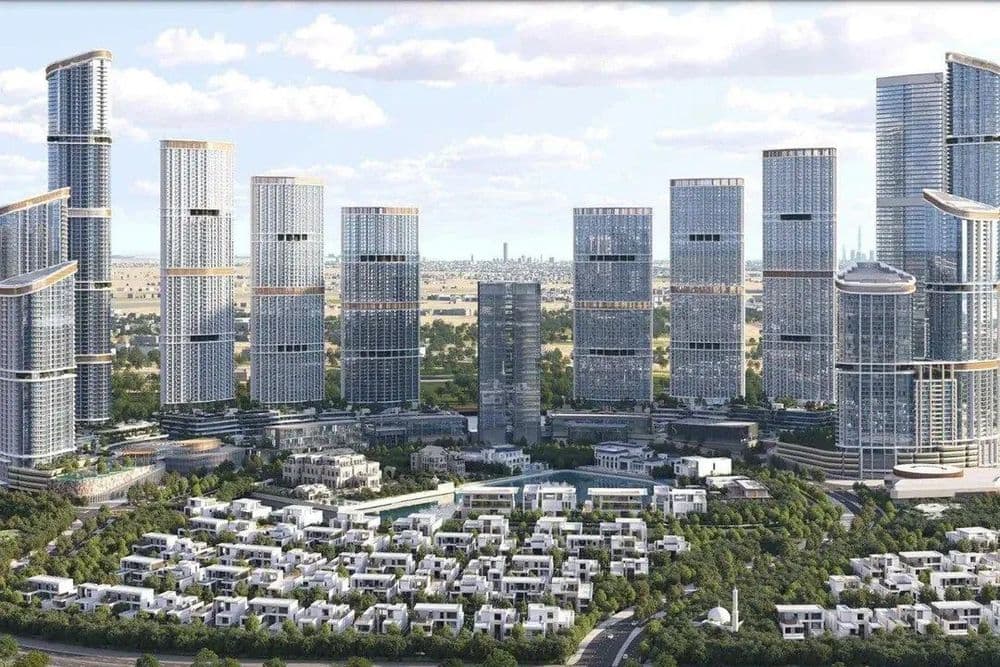
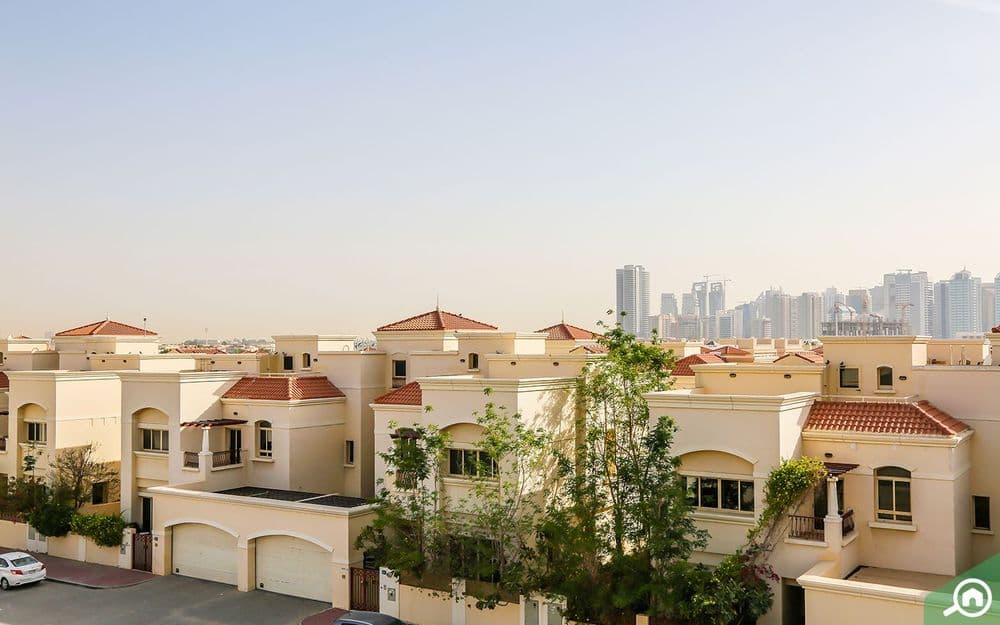
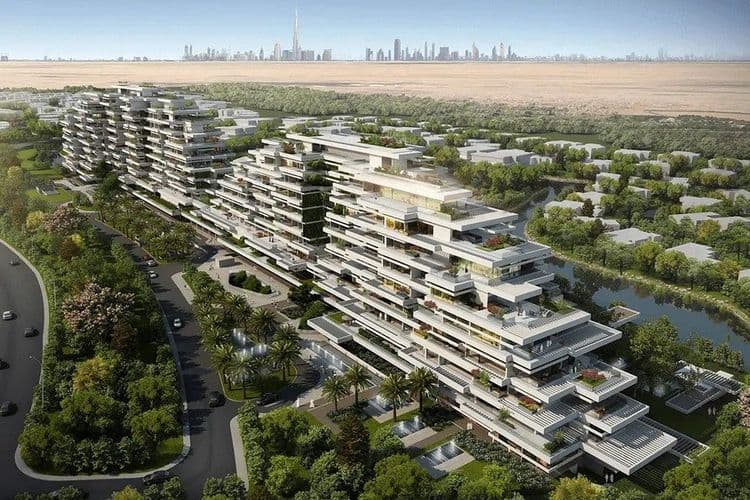
Al Barari is Dubai's most genuinely green residential address — roughly 60% of its land is given over to botanical gardens, lakes, and nature reserves. It sits in the Wadi Al Safa corridor, north of Arabian Ranches, and it draws a very specific buyer: someone who wants serious space, serious privacy, and is prepared to pay for both. This isn't a community for everyone, and that's precisely the point. Our view is that Al Barari remains one of the most defensible luxury land plays in Dubai — supply is structurally constrained, and the master-plan discipline here is tighter than almost anywhere else in the city.
Market overview
We currently carry 8 active projects in Al Barari across our catalogue, ranging from ready inventory through to completions as far out as Q4 2028. That pipeline tells you something important: this is not a community flooding the market. Developers here — Al Barari Development, Zaya, and Leos Developments among them — are releasing product in measured tranches, which keeps the supply-demand equation relatively tight.
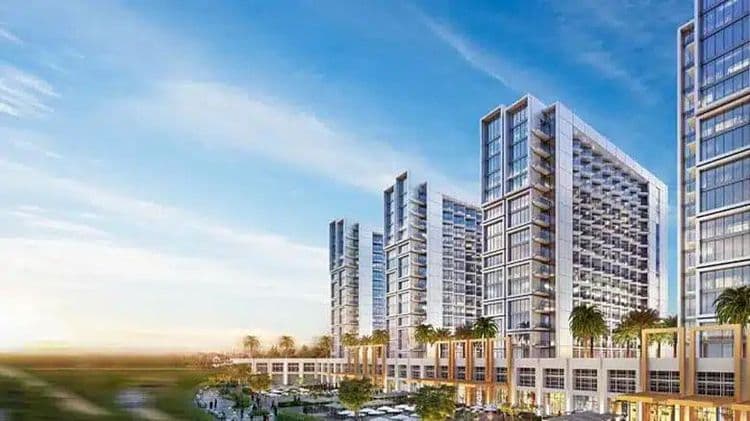
The project spread is instructive. On one end you have a ready luxury mansion (the Nasser Dehghan listing), which anchors the upper end of the market at villa scale. On the other, Weybridge Gardens 2 by Leos Developments and The Loft Apartments represent a newer, apartment-format entry into Al Barari — a format that didn't really exist here five years ago. That shift matters: it's bringing a slightly broader buyer profile into a community that was previously almost exclusively villa territory.
Price per square foot in Al Barari sits meaningfully above the Dubai mid-market. Villas and mansions in the community have historically traded in the AED 1,800–2,800 per sqft range depending on plot size, finish level, and proximity to the gardens. The newer apartment formats — The Loft Apartments targeting a 2027 Q3 delivery, Altissima, and The Lofts by Zaya — are priced at a premium to comparable product in, say, Mohammed Bin Rashid City, but buyers are paying for the botanical setting, not just the unit.
Chorisia by Al Barari Development, which completed in Q1 2023, is now feeding the secondary market. In our experience, completed Al Barari product holds its value better than most Dubai sub-markets at this price point — partly because there's simply not much of it, and partly because the community management is genuinely good. Owners here tend to stay, which compresses resale liquidity but also compresses distressed-sale risk.
One honest caveat: the off-plan pipeline extending to 2028 (The Cape by Al Barari Developers Properties) means buyers need to price in a four-year carry if they're acquiring now. That's a long horizon, and financing costs matter. For cash buyers, it's less of a concern.
Living in Al Barari
Al Barari is unambiguously a family and owner-occupier community. The demographics skew toward high-net-worth families — often with school-age children — who have made a deliberate choice to trade urban buzz for space and greenery. You won't find a nightlife strip here. You will find walking trails, a farm-to-table restaurant (The Farm has been a fixture of the community for years), and the kind of quiet that's genuinely hard to source in Dubai.
The botanical gardens are the centrepiece, and they're not decorative — residents actually use them. Morning runs along the lake paths, weekend family walks, kids cycling without a parent's heart rate spiking. That's the daily texture of life here, and it's a meaningful differentiator from gated communities that promise green space on the brochure and deliver a strip of grass between two roads.
Our buyers who end up in Al Barari tend to fit one of two profiles. The first is the established family — typically 10+ years in Dubai, done with the apartment phase, wanting a forever home with a garden that actually functions. The second, increasingly, is the remote-working professional couple who moved to Dubai post-2020 and want a home environment that doesn't feel like a serviced apartment with a pool.
The community is not walkable in the urban sense — you're not strolling to a supermarket. But within the estate itself, walkability is genuinely good. The internal road network is calm, the paths are maintained, and the scale of the development means you're not driving five minutes just to reach your neighbour.
Singles and short-term renters are a small minority here. The apartment formats (The Loft Apartments, Altissima) may shift that slightly, but Al Barari's DNA is owner-occupier, and that's unlikely to change materially.
Schools, healthcare & retail
Schools within reach:
- GEMS FirstPoint School (The Villa, ~10 min drive)
- Dunecrest American School (Al Barari vicinity, ~10 min)
- GEMS Heritage Indian School (Al Qusais corridor, ~20 min)
- Repton School Dubai (Nad Al Sheba, ~15 min)
Healthcare:
- Mediclinic Parkview Hospital (Umm Suqeim Road, ~15 min) — the closest full-service hospital and a genuinely good facility
- Several GP and specialist clinics along Al Barsha and Umm Suqeim corridors within 15–20 minutes
Retail & daily needs:
- The Farm restaurant within Al Barari — a long-standing community anchor for casual dining
- Mall of the Emirates (~25 min) for major retail
- My City Centre Al Barsha (~20 min) for everyday grocery and errand runs
- Arabian Ranches retail strip (~15 min) for neighbourhood-scale shopping
The honest picture: Al Barari is not self-sufficient for daily errands. Residents accept a 15–20 minute drive for most routine needs, and the community's appeal is built around that trade-off — what you lose in convenience, you gain in environment. For families who've made peace with that, the amenity picture is perfectly workable.
Getting around
Honestly, connectivity is Al Barari's weakest card — and any broker who tells you otherwise is selling, not advising.
The community sits off Umm Suqeim Road (D63) and Al Qudra Road, which sounds fine until you're trying to leave at 8:15am on a school day. Drive times to the Burj Khalifa run approximately 30–40 minutes in normal traffic, stretching to 50+ during peak hours. DIFC is a similar story — 30 minutes on a good day, 45 on a bad one. Dubai Marina is roughly 35–45 minutes. Dubai International Airport (DXB) is around 35–40 minutes via Sheikh Mohammed Bin Zayed Road.
There is no metro access. Full stop. Al Barari is a car-dependent community, and residents need to plan around that. Families typically run two cars minimum.
DWC (Al Maktoum International) is actually the more convenient airport — roughly 40–50 minutes — which matters if you're a frequent flyer watching DWC's expansion trajectory.
The school run is manageable because several reputable schools cluster in the Nad Al Sheba and Arabian Ranches corridors, keeping most families within a 10–15 minute drive of their preferred option. That's a genuine practical advantage. For everything else — groceries, clinics, casual dining outside the community — budget 15–20 minutes each way, and factor that into your lifestyle calculus before you buy.
Investment outlook
Al Barari is not a yield play. Let's be direct about that. Gross rental yields here typically land in the 4–6% range for villas, which sits below the Dubai mid-market average. The community attracts long-term tenants who pay well, but the entry price is high enough that the yield arithmetic doesn't dazzle.
Where Al Barari does make a compelling investment case is capital appreciation and capital preservation. The structural supply constraint — a master-plan that dedicates the majority of land to green space rather than built product — means you're not competing with a wave of new units every 18 months. That's a meaningful hedge against the oversupply cycles that have periodically punished other Dubai sub-markets.
The newer apartment formats entering the community (The Loft Apartments, Altissima, The Lofts by Zaya) are interesting from an investor angle precisely because they represent a lower entry point into the Al Barari ecosystem. If the community's premium holds — and we think it will — these units could deliver stronger percentage appreciation than the villa segment simply because they're starting from a lower base.
Resale liquidity is the honest concern. Al Barari trades in a thin market. There are fewer transactions per year than in, say, Dubai Hills Estate or Arabian Ranches, which means finding a buyer at your target price can take longer. Investors who need a quick exit should factor that in.
The Cape by Al Barari Developers Properties, targeting Q4 2028, is the longest-dated bet in our current catalogue. For investors with a 5–7 year horizon and cash to deploy, it's worth a serious look — early-mover pricing in a constrained master-plan has historically rewarded patience here.
Our editorial line: bullish, with a long-horizon caveat. Al Barari is one of the few Dubai communities where the physical environment is genuinely irreplaceable, and that scarcity premium isn't going away.
Frequently asked questions about Al Barari
Who are the main developers active in Al Barari right now?
The master developer, Al Barari Development, controls most of the community and is behind Altissima, Chorisia, The Cape, and The Loft Apartments. We also carry listings from Zaya (The Cape and The Lofts) and Leos Developments (Weybridge Gardens 2), which bring a slightly different price point and payment structure. Across our catalogue we currently have 8 active projects, so there's genuine choice depending on your budget and preferred unit type.
What rental yields can I expect in Al Barari?
Gross yields in Al Barari typically land between 5–7% for apartments and 3.5–5% for villas, based on transactions we've tracked over the past 18 months. The apartment segment — particularly furnished units in The Lofts — performs better on yield because entry prices are lower relative to achievable rents. Villa tenants tend to sign longer leases (2–3 years is common), which our landlord clients appreciate for stability even if the headline yield is slightly lower.
What is the commute like from Al Barari to DIFC, Marina, and Dubai Airport?
Al Barari sits off Sheikh Mohammed Bin Zayed Road (E311), which makes driving straightforward. Expect roughly 25–30 minutes to DIFC, 30–40 minutes to Dubai Marina, and 20–25 minutes to Dubai International Airport outside peak hours. Morning rush (7:30–9:00 am) can add 10–15 minutes on the DIFC run. There's no metro access, so residents here are almost entirely car-dependent — something our buyers factor in before committing.
What schools and family amenities are near Al Barari?
Families we work with most often choose GEMS Heritage Indian School or Dunecrest American School, both within a 10-minute drive. For younger children, Blossom Nursery is inside the community itself. The Farm restaurant, The Body Lab gym, and a dedicated spa are on-site, and the My City Centre Barsha mall is about 15 minutes away. It's a genuinely self-contained environment, which is a big draw for families who want green space without sacrificing convenience.
Is Al Barari suitable for buyers who want a villa with a private pool?
Absolutely — private pools are standard on most standalone villa plots here, and several of our current listings, including the bespoke mansion by Nasser Dehghan, come with landscaped gardens exceeding 5,000 sq ft. Even the newer apartment projects like Altissima include communal pool decks with a resort-style feel. If a private pool is non-negotiable, we'd steer you toward the villa and mansion segment; budget from around AED 8–10 million for a well-specified four-bedroom with pool.
Get the Al Barari market brief
Live listings, off-plan launches, recent transactions and rental yields — direct from our advisors. No inflated commissions, no spam. One business-day reply.