Al Raudah
Dubai community · 0 off-plan projects
About Al Raudah
Al Raudah is a low-profile residential district in Abu Dhabi that has quietly attracted a steady stream of end-users and buy-to-let investors looking for genuine value away from the headline neighbourhoods. It's not a flashy address — and that's precisely the point. Our take: Al Raudah is the kind of area that rewards buyers who do their homework rather than follow the crowd. With Citi Developers now active here across two projects, the supply pipeline is beginning to take shape, and early movers are getting in before the pricing catches up with the fundamentals.
Market overview
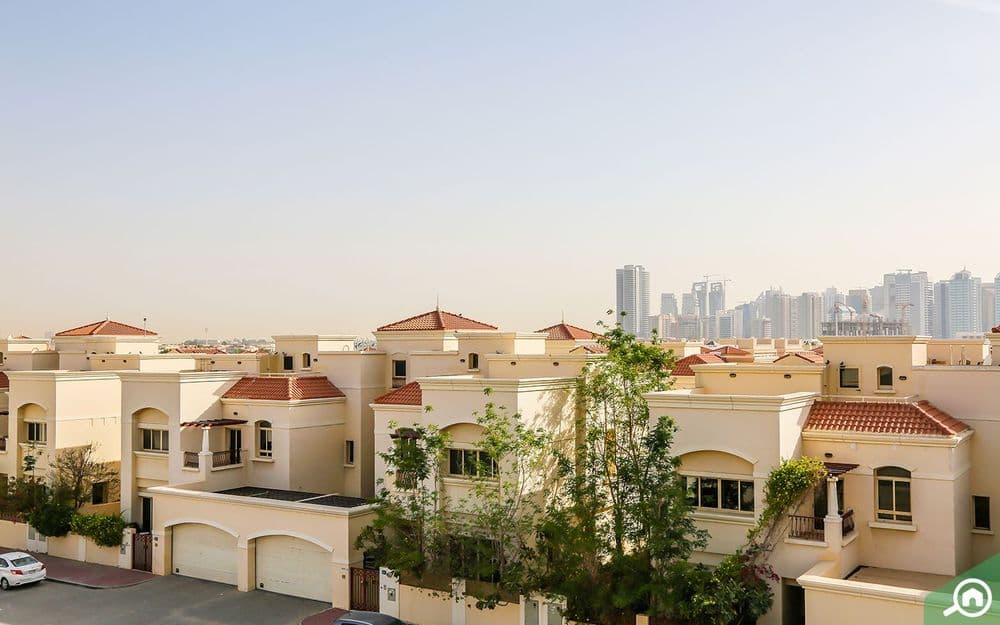
Al Raudah sits in a part of Abu Dhabi that has historically been dominated by mid-market residential stock — villa compounds, low-rise apartment blocks, and a tenant base that skews heavily towards professionals and families on multi-year leases. That profile is starting to shift.
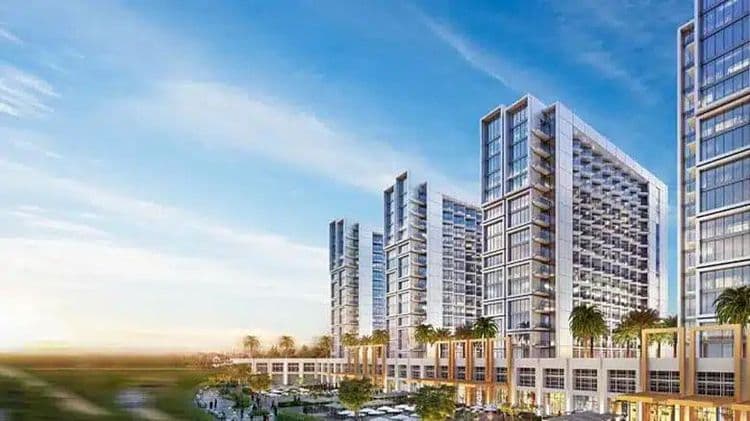
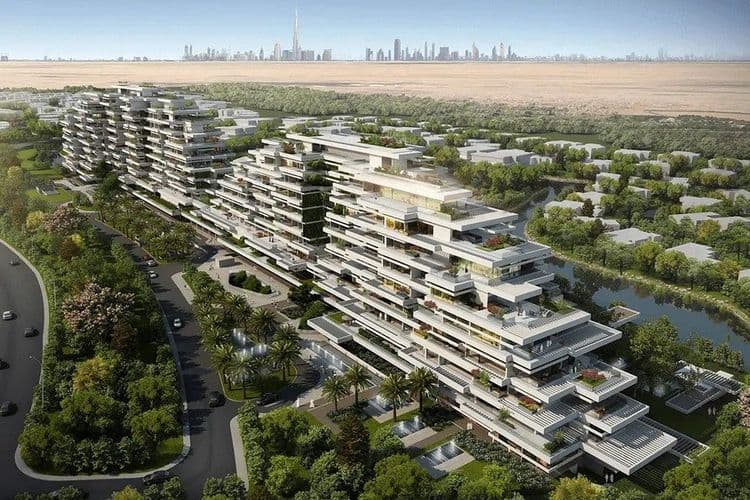
Our catalogue currently lists 2 active projects in Al Raudah, both from Citi Developers: Amra Residences (targeted for Q4 2028 handover) and Amra Residence Tower B (status: Coming Soon). Two projects from a single developer tells you something useful — this isn't a fragmented, multi-developer free-for-all. Citi Developers are making a deliberate bet on this pocket, which tends to produce more consistent build quality and a more coherent streetscape than areas where a dozen developers are all doing their own thing.
On pricing, Al Raudah sits in the mid-market band. Across Abu Dhabi's comparable residential districts, apartments in this tier typically trade in the AED 900–1,300 per sqft range for off-plan product, depending on unit size, floor level, and finish specification. Larger one- and two-bedroom units in established mid-market Abu Dhabi neighbourhoods have historically offered more square footage per dirham than equivalent Dubai addresses — a structural advantage that our investors frequently underestimate until they run the numbers side by side.
In our experience, areas with a concentrated developer presence like this one tend to see more disciplined payment plans and less price undercutting between competing launches. That's good for buyers who want predictability, and it's good for resale values once handover approaches.
The pipeline here is still thin by the standards of a mature district. Two projects — one with a confirmed 2028 delivery and one yet to be formally launched — means the area is genuinely early in its development cycle. That's a double-edged position: less certainty on the surrounding infrastructure timeline, but also less competition for the same tenant pool once units are delivered. We'd rather be early than late in a district like this.
Living in Al Raudah
Al Raudah has the feel of a neighbourhood that gets on with things quietly. There's no signature waterfront promenade or headline retail destination anchoring it — what it offers instead is a functional, relatively uncrowded residential environment that suits people who want to live in Abu Dhabi without paying a premium for a postcode.
The demographic our buyers tend to fit here is specific: mid-career professionals, small families, and investors targeting the long-let market rather than short-stay. It's not a singles-and-nightlife district. It's not a luxury villa enclave either. It occupies a sensible middle ground, and that's where the bulk of Abu Dhabi's actual rental demand sits.
Walkability is moderate. Like much of Abu Dhabi's residential fabric outside the Corniche and Al Reem Island, Al Raudah is car-dependent for most errands — but the distances involved are short, and the road network is manageable outside peak hours. Local mosques, small supermarkets, and neighbourhood cafés are accessible on foot for residents who choose to use them.
Dining options in the immediate vicinity lean towards casual and community-facing: local Arabic restaurants, South Asian eateries, and the kind of no-frills coffee shops that working residents actually use on a Tuesday morning. For a broader dining and leisure offer, Abu Dhabi's central districts are a short drive away.
Our honest assessment: Al Raudah is a family- and tenant-skewed neighbourhood. It's not going to suit buyers chasing a buzzy social scene. It will suit buyers who want a clean, functional address with solid rental demand and room for capital appreciation as the area matures.
Schools, healthcare & retail
Al Raudah's amenity profile reflects its mid-market residential character — functional and improving, rather than fully built out.
Schools within reach:
- Several ADEK-regulated schools operate within a 10–15 minute drive, covering British, American, and Indian curricula
- Abu Dhabi's broader school network means families are rarely more than one or two options away from a suitable curriculum
Healthcare:
- Local clinics and pharmacies are accessible within the immediate neighbourhood
- Sheikh Khalifa Medical City and other major Abu Dhabi hospitals are within a 20–25 minute drive
- Danat Al Emarat Hospital and NMC Healthcare facilities serve the wider district
Retail & daily needs:
- Neighbourhood supermarkets and convenience stores within walking distance for most residents
- Larger retail — hypermarkets, malls, and branded F&B — is a short drive into central Abu Dhabi
- Abu Dhabi Mall and Dalma Mall are both accessible within 20–30 minutes
The amenity picture here is adequate for daily life and will strengthen as the Citi Developers projects deliver and the resident population grows. Buyers shouldn't expect a fully activated retail street on day one — but the foundations are there.
Getting around
Al Raudah's connectivity is genuinely decent rather than paper-decent. The area sits within Abu Dhabi's inner residential ring, which means most of the city's key destinations are reachable in under 20 minutes outside peak hours.
Abu Dhabi's central business district is roughly 10–15 minutes by car. Abu Dhabi International Airport sits approximately 25–35 minutes away depending on traffic and the specific route taken. For residents who commute to Dubai, the E11 and E12 corridors are accessible, putting Dubai Marina in the 90–100 minute range and DIFC in approximately 100–110 minutes — manageable for weekly commuters, less so for daily ones.
There is no metro line serving Al Raudah; Abu Dhabi's public transport network remains bus-dependent, and in practice the overwhelming majority of residents drive. School runs are straightforward given the low traffic density in the immediate residential streets, which is a genuine quality-of-life advantage that parents in denser districts would notice immediately.
For day-to-day errands — supermarkets, clinics, pharmacies — the surrounding road network handles the load without the bottlenecks you'd encounter in, say, Al Reem Island during morning peak. That's a real, if unglamorous, advantage.
Investment outlook
Al Raudah sits squarely in Abu Dhabi's mid-market residential tier, and that's where the yield story gets interesting. Prime Abu Dhabi addresses typically deliver gross rental yields in the 5–7% range. Mid-market districts — where Al Raudah competes — have historically produced yields closer to 7–9%, driven by lower entry prices and a deep, stable tenant pool of professionals and families on standard one-year leases.
With both active projects in our catalogue coming from Citi Developers and targeting delivery in the 2028 window (or later for Tower B), investors are looking at a 3–4 year off-plan hold before rental income begins. That's a standard Abu Dhabi off-plan timeline, and it suits buyers who want to lock in today's pricing and ride any capital appreciation through the construction period.
Resale liquidity in Al Raudah is currently limited — there simply isn't a thick secondary market here yet. That's the honest caveat. Buyers who need to exit quickly within 12–18 months of purchase may find fewer ready buyers than in a more established district. The flip side: because the area isn't yet on every investor's radar, entry pricing reflects that relative obscurity. Once Amra Residences delivers in 2028 and the streetscape starts to fill in, that discount should compress.
Capital appreciation in comparable Abu Dhabi mid-market districts has followed a recognisable pattern: flat to modest gains during construction, a step-up at handover as the physical product becomes visible, and then steady appreciation over the following 3–5 years as the community matures and amenities consolidate.
Our editorial line: bullish, with patience required. Al Raudah is an early-mover play — the yield fundamentals are sound, the developer concentration reduces execution risk, and the pricing hasn't yet caught up with the area's long-term trajectory.
Frequently asked questions about Al Raudah
Is Al Raudah a good investment in 2025/2026?
In our experience, Al Raudah is one of those under-the-radar pockets that savvy buyers are quietly picking up before wider market attention arrives. It sits within Ajman's established residential belt, offering entry prices well below Dubai equivalents. With Citi Developers actively launching here — we currently carry 2 projects in the area — developer confidence is clearly building. For investors watching capital appreciation potential on a tighter budget, we think Al Raudah deserves serious consideration right now.
What is the typical price per sqft in Al Raudah?
Based on what we're seeing across our active listings, including Amra Residences and Amra Residence Tower B, prices in Al Raudah generally range from around AED 400–550 per sqft for mid-rise residential units. That's a meaningful discount compared to comparable product in Sharjah or Dubai's outer communities. Exact figures shift with floor level, finish quality, and payment plan structure, so we always recommend a direct comparison before committing.
Who are the main developers active in Al Raudah?
Right now, Citi Developers is the most active name we're working with in Al Raudah. They have two projects in our catalogue — Amra Residences and Amra Residence Tower B — both targeting owner-occupiers and buy-to-let investors. Citi Developers has been building a track record in Ajman's mid-market segment, and our buyers have generally responded well to their payment plan flexibility and handover timelines.
What rental yields can I expect in Al Raudah?
Our buyers targeting Al Raudah for rental income are typically seeing gross yields in the 7–9% range, which is strong by regional standards. Demand is driven largely by mid-income professionals and families priced out of Sharjah and Dubai. Smaller one-bedroom units tend to lease fastest. As always, net yield depends on service charges and any furnishing costs, so we walk every investor client through a realistic numbers breakdown before purchase.
What is the commute like from Al Raudah to Dubai or Sharjah?
Al Raudah sits in Ajman, so commute times vary by destination and time of day. In our experience, reaching Sharjah city centre takes roughly 20–30 minutes, while Dubai's DIFC or Business Bay runs 45–70 minutes in normal traffic — longer during peak hours on Sheikh Mohammed Bin Zayed Road. Residents typically rely on private vehicles; public transport options are limited, so we always flag this to buyers who commute daily into Dubai.
What schools and amenities are near Al Raudah?
Al Raudah has solid day-to-day convenience. Several supermarkets, pharmacies, and local dining options are within a short drive. For schooling, families we've worked with commonly look at Ajman Academy and a handful of Indian curriculum schools within a 10–15 minute radius. The area isn't a purpose-built master community, so large retail malls require a short drive, but for families prioritising affordability over resort-style facilities, the trade-off tends to work well.
Is Al Raudah suitable for end-users or mainly investors?
We see a genuine mix. The projects from Citi Developers — Amra Residences and Tower B — are designed with practical layouts that appeal to families and young professionals looking for an affordable first home. At the same time, the yield profile attracts buy-to-let investors. If you're an end-user, the relatively quiet, residential character of Al Raudah is a real draw. If you're an investor, the rental demand from the working population keeps vacancy rates manageable.
Get the Al Raudah market brief
Live listings, off-plan launches, recent transactions and rental yields — direct from our advisors. No inflated commissions, no spam. One business-day reply.