Downtown Jebel Ali
Dubai community · 0 off-plan projects
About Downtown Jebel Ali
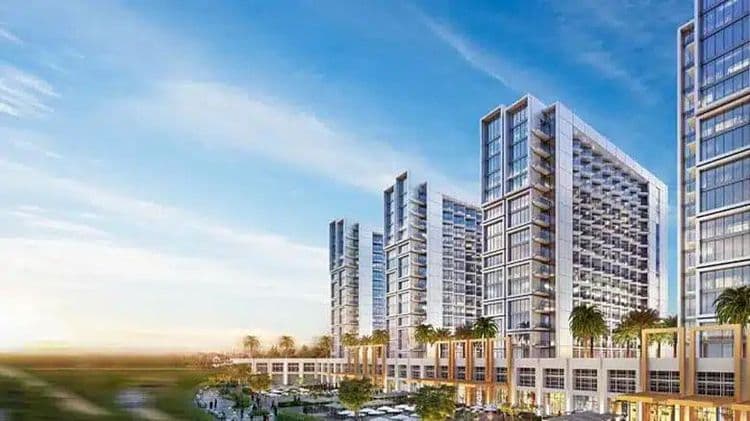
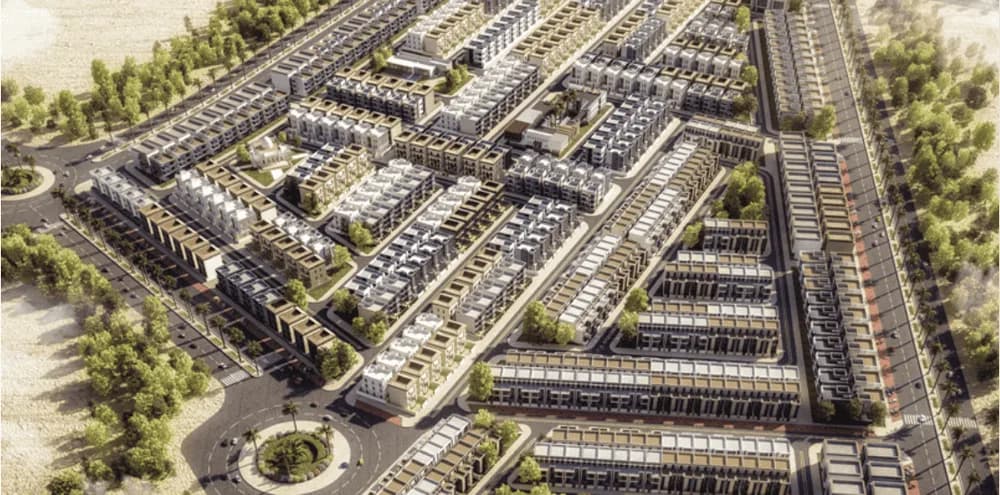
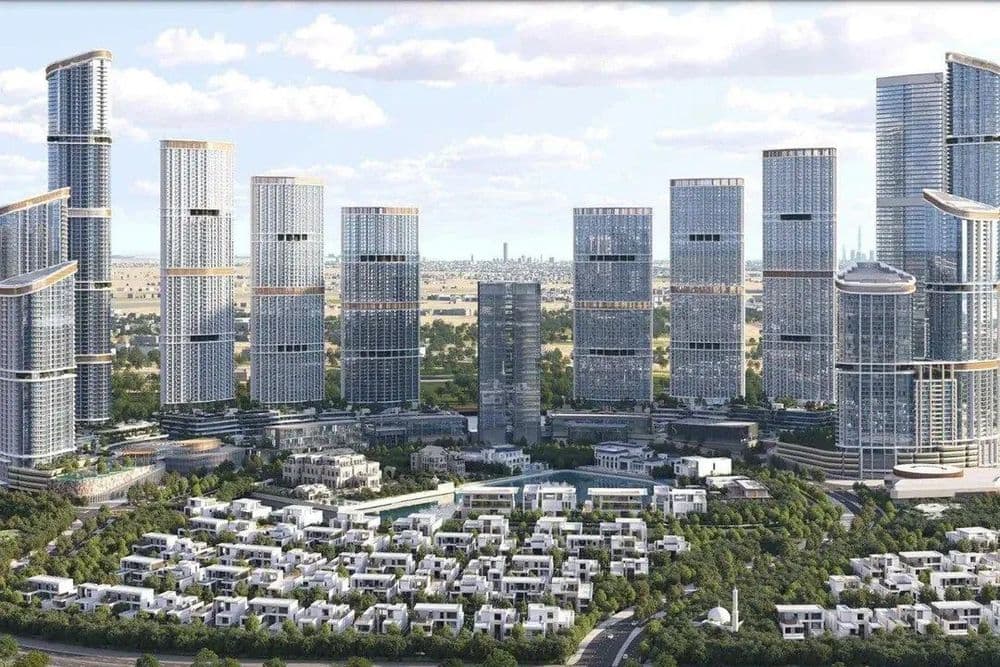
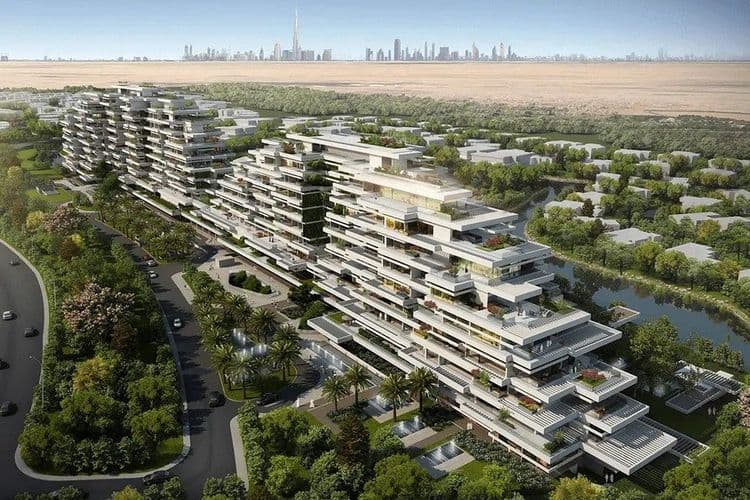
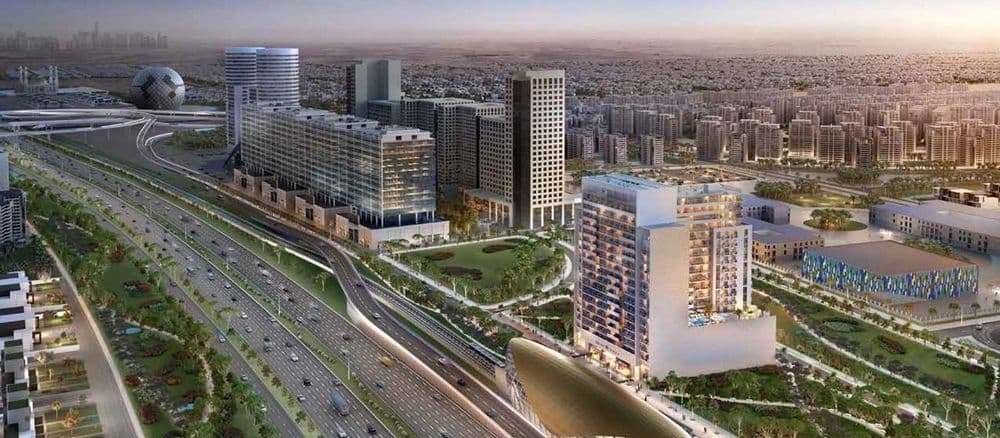
Downtown Jebel Ali is one of Dubai's most deliberate bets on the city's south-western corridor — a master-planned district sitting along the Route 2020 metro extension, designed to absorb the overflow of demand that older, denser communities can no longer satisfy. It's not finished yet. That's precisely the point. Buyers who move early here are buying into a district that is still being written, with eight active projects in our catalogue and delivery windows stretching from Q1 2027 through late 2029. We think this is a genuine early-mover opportunity for investors who can hold a three-to-five year horizon.
Market overview
Eight projects. That's the current active pipeline we're tracking in Downtown Jebel Ali — and the composition tells you a lot about where the district is heading. Azizi Developments alone accounts for five of them: Lina, Wares, Gabriel, Noura, and Rose (the last still listed as Coming Soon). Forum Group brings MetroPoint to the mix, Peace Home Development is delivering Peace Avenue, and Samana Developers rounds out the catalogue with Business Hub, their latest mixed-use play targeting the 2029 horizon.
Delivery is staggered across roughly three years — Azizi Noura is the nearest at Q1 2027, with Lina, Wares, and MetroPoint following in Q4 2027, Peace Avenue in Q2 2028, Gabriel in Q4 2028, and Samana Business Hub pushing out to Q3 2029. That spread matters. It means the district won't be flooded with handovers in a single quarter, which is a healthier supply dynamic than we've seen in some other emerging corridors.
On pricing, Downtown Jebel Ali sits firmly in the mid-market band. Off-plan entry points here are meaningfully lower than comparable product in Dubai South's more established pockets, and a fraction of what you'd pay for a similar unit in JVC or Al Furjan today. In our experience, this kind of pricing gap relative to metro-adjacent communities doesn't persist once infrastructure catches up — and the Route 2020 line is already operational.
The developer mix is worth noting. Azizi is a high-volume operator with a track record of delivering at scale across Dubai. Samana has built a reputation for investor-friendly payment plans. Forum Group and Peace Home Development are smaller names, so buyers should do their own due diligence on those two specifically — we always recommend checking RERA registration and escrow account status before committing.
In our experience, areas with this density of off-plan activity from multiple developers tend to see secondary-market liquidity improve sharply in the 12–18 months before first handovers. That window is approaching.
Living in Downtown Jebel Ali
Honestly, Downtown Jebel Ali is not yet a lifestyle destination in the way that Dubai Hills or JBR are. It's a district under construction, and buyers should walk in with that expectation clearly set. What it offers instead is space, quiet, and the kind of clean-slate planning that older communities in Dubai simply can't replicate.
The demographic skew here is almost entirely investor-first, with end-users likely to follow once the district reaches critical mass — probably around 2027–2028 when the first wave of handovers completes. Our buyers in this area tend to fall into two camps: UAE-based investors looking for affordable off-plan entry with metro adjacency, and overseas investors (particularly from South Asia and Eastern Europe) drawn by the lower ticket sizes and developer payment plans.
For families, the honest answer is: not yet. The retail, school, and dining infrastructure that families need is still thin on the ground. That will change — master-planned districts in Dubai have a reliable track record of filling in amenities once residential density builds — but anyone expecting a fully-formed neighbourhood at handover in 2027 should temper that expectation.
For singles and young professionals, the metro connection is the real draw. A direct ride into central Dubai without the car-dependency that defines so many of Dubai's southern suburbs is a genuine quality-of-life differentiator.
The Jebel Ali area more broadly has a working, industrial character that Downtown Jebel Ali is designed to soften with residential and mixed-use programming. The Samana Business Hub project signals that commercial activity is being planned alongside residential — which, if it materialises, would meaningfully accelerate the district's self-sufficiency.
Schools, healthcare & retail
The amenity layer in Downtown Jebel Ali is still developing. Here's an honest picture of what's accessible now versus what's nearby in adjacent communities:
Schools (within reasonable driving distance):
- Greenfield International School, Al Furjan
- The International School of Choueifat, Al Sufouh (further north)
- Several nurseries and early-years providers in Discovery Gardens
Healthcare:
- Aster Clinic and pharmacy outlets in Discovery Gardens and Al Furjan serve the corridor currently
- Jebel Ali Hospital is the nearest major public facility
- NMC Royal Hospital, Al Nahda is accessible but requires a longer drive
Retail & daily needs:
- Ibn Battuta Mall is the closest major retail destination — approximately 10–15 minutes by car or metro
- Al Furjan Pavilion provides community-level retail for immediate needs
- The district itself will gain ground-floor retail as residential projects complete, but residents should expect to rely on Ibn Battuta and online delivery for the first few years post-handover
Leisure:
- Jebel Ali Beach and the resort strip along the coast are within 15 minutes
- Expo City Dubai is a short metro ride away and continues to expand its public programming
Getting around
The single biggest infrastructure asset Downtown Jebel Ali has is the Route 2020 metro extension — the same line that serves Expo City Dubai. The district sits close to the Jebel Ali metro station on the Red Line, which means residents can reach Dubai Marina in roughly 15–20 minutes by train and DIFC in under 40 minutes without touching a steering wheel. That's a genuine advantage, not a paper one.
By car, the picture is more nuanced. Sheikh Zayed Road (E11) is the primary artery, and access is straightforward during off-peak hours. Drive time to Burj Khalifa runs approximately 30–35 minutes in normal traffic, Dubai Marina is around 20 minutes, and DIFC sits roughly 35 minutes away. Dubai International Airport (DXB) is a 40-45 minute drive — not ideal, but manageable. Al Maktoum International Airport (DWC) is the real proximity story here: under 20 minutes, which will matter considerably more as DWC expands.
Peak-hour congestion on Sheikh Zayed Road heading north is a real factor. We won't pretend otherwise. The metro option becomes genuinely attractive for daily commuters precisely because of this.
School-run convenience is currently limited by the thin amenity layer in the district itself — most families will be driving children to schools in Al Furjan, Discovery Gardens, or further north for the foreseeable future.
Investment Outlook
Downtown Jebel Ali sits squarely in the mid-market investment category, and the yield profile reflects that. As demand for property in Downtown Jebel Ali grows, buyers exploring Downtown Jebel Ali property for sale can expect gross rental yields in the 7–9% range once the district reaches operational density. This is consistent with what mid-market, metro-adjacent communities across Dubai have historically delivered. That's a stronger yield band than prime areas like Downtown Dubai or Palm Jumeirah, where yields compress to 5–6% as capital values rise faster than rents.
The capital appreciation story is a longer play. Buyers investing in property in Downtown Jebel Ali today are essentially pricing in a discount for construction risk and time. Many of the current off plan projects in Downtown Jebel Ali offer competitive entry prices, and that discount tends to erode as handover approaches—particularly in districts with metro access, where rental demand from working professionals provides a floor under values.
The eight-project pipeline we're tracking represents a meaningful volume of future supply, and that's a risk worth naming plainly. If all eight projects deliver on schedule between 2027 and 2029, there will be a period of elevated supply in the district. Investors planning to rent out Downtown Jebel Ali property for rent should model for a possible softening in rents during that absorption window before demand catches up.
The Samana Business Hub's commercial component is a variable that could shift the outlook positively. Commercial tenants generate footfall and retail demand that can strengthen the value of property in Downtown Jebel Ali, benefiting both homeowners and investors over the long term.
Our editorial view remains bullish, with patience required. Whether you're considering Downtown Jebel Ali property for sale or evaluating off plan projects in Downtown Jebel Ali, the district offers strong long-term fundamentals, including metro access, affordable entry prices, a staggered supply pipeline, and proximity to Al Maktoum International Airport's future growth. However, the investment payoff is more likely to be a 2028–2030 story than a 2025 one.
Frequently asked questions about Downtown Jebel Ali
Who are the main developers building in Downtown Jebel Ali right now?
The most active developer in the area by volume is Azizi Developments, with five projects in our catalogue alone — Lina, Wares, Gabriel, Noura, and Rose. Alongside Azizi, we're also working with Forum Group on MetroPoint, Peace Home Development on Peace Avenue, and Samana Developers on Samana Business Hub. That mix gives our buyers a range of price points, payment plans, and unit configurations to choose from within the same master community.
What rental yields can I expect in Downtown Jebel Ali?
Based on comparable stock in adjacent areas like Dubai South and Al Furjan, we're projecting gross rental yields of 7–9% for studios and one-bedroom units once the community reaches critical occupancy. Metro accessibility is a strong pull for tenants who work in Jebel Ali Free Zone or commute toward Marina and JLT. We always advise buyers to factor in a 6–12 month stabilisation period post-handover while the community fills up, but the yield fundamentals here are solid for a buy-to-let strategy.
How long does it take to commute from Downtown Jebel Ali to DIFC, Marina, or Dubai Airport?
The Route 2020 Metro extension is the game-changer here. From the local metro station, Dubai Marina is roughly 15–20 minutes by train, and DIFC around 30–35 minutes with one interchange at Union or BurJuman. Driving to Dubai Marina via Sheikh Zayed Road takes about 20 minutes outside peak hours. Dubai International Airport (DXB) is a 40–50 minute drive, though Al Maktoum International (DWC) is practically on the doorstep — under 15 minutes.
Are there schools and everyday amenities near Downtown Jebel Ali?
The community is still developing, so we're transparent with our buyers: on-site retail and F&B are limited right now, but that's changing fast as handovers progress. Within a 10–15 minute drive you have Ibn Battuta Mall, a large Carrefour, and several clinics. For schools, Greenfield International School and Jebel Ali School are both within a 10-minute drive. We expect ground-floor retail across several Azizi buildings to activate within 12–18 months, which will meaningfully improve day-to-day convenience.
What payment plans are available for projects in Downtown Jebel Ali?
Most developers here are competing hard on payment flexibility, which works in buyers' favour. Across our 8 active projects we're currently seeing plans ranging from 60/40 (construction-linked) to 1% monthly post-handover structures. Samana Business Hub and several Azizi projects offer extended post-handover plans of up to 3–5 years, making entry accessible with down payments as low as 10–20%. We review every payment plan with our buyers to match cash flow needs — just ask us to run the numbers.
Get the Downtown Jebel Ali market brief
Live listings, off-plan launches, recent transactions and rental yields — direct from our advisors. No inflated commissions, no spam. One business-day reply.