Dubai International Academic City
Dubai community · 0 off-plan projects
About Dubai International Academic City
Dubai International Academic City — DIAC — is the UAE's dedicated higher-education free zone, home to over 30 university campuses and tens of thousands of students, faculty, and academic professionals. It sits in the eastern corridor of Dubai, close to Silicon Oasis and Academic City Road, and it's a neighbourhood that most residential buyers overlook. That's exactly why we pay attention to it. One active project in our catalogue right now — Greenz by Danube — signals that developers are starting to catch up with the genuine residential demand this cluster generates. For buy-to-let investors, the student and academic tenant pool is one of the most reliable in the city.
Market overview
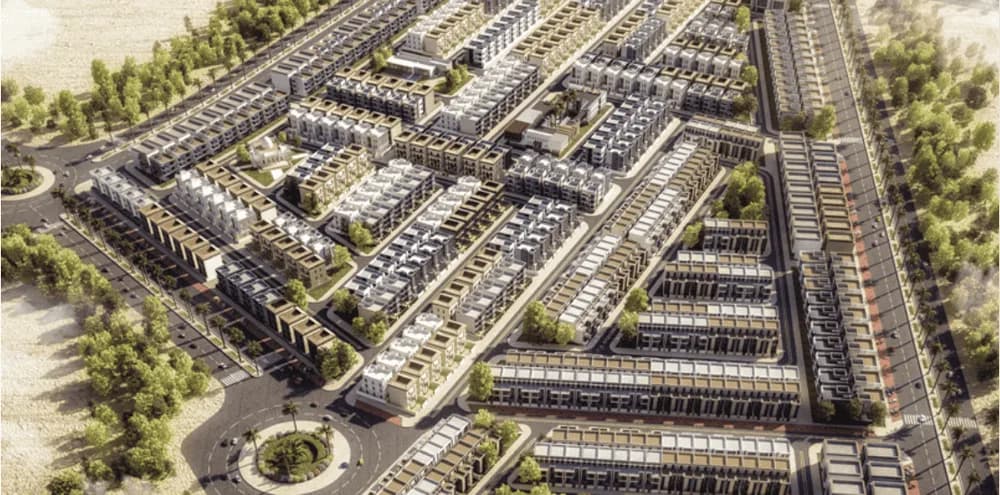
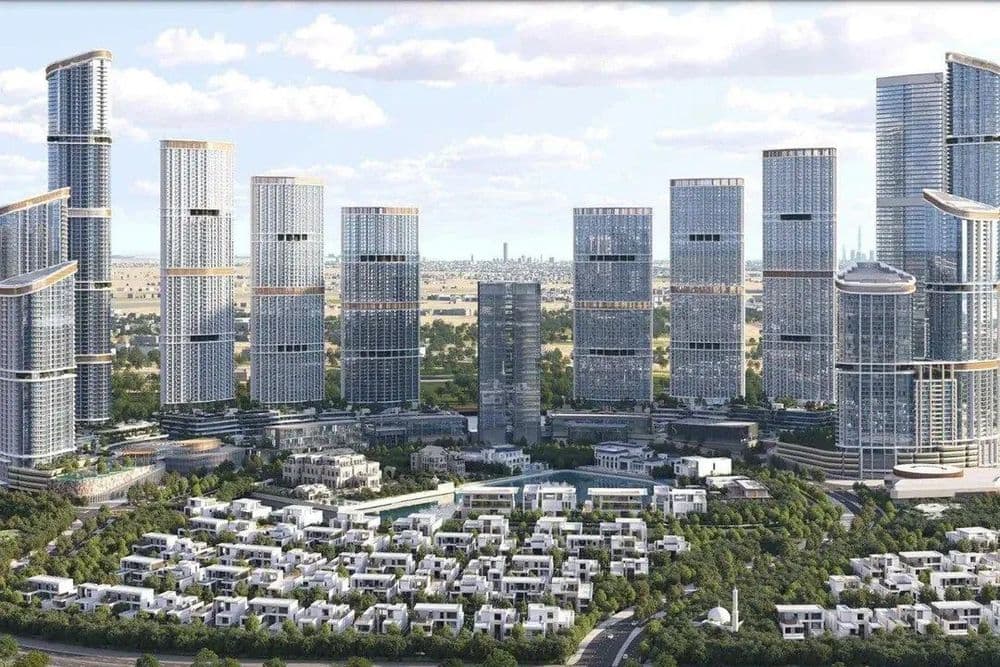
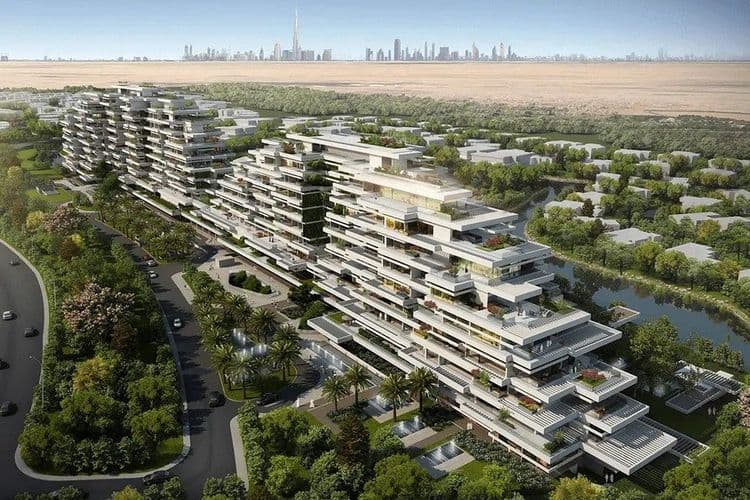
DIAC's residential supply has historically lagged behind its population. The free zone itself is dense with institutional buildings — lecture theatres, admin blocks, student facilities — but purpose-built private residential stock has been thin on the ground. That gap is closing. We currently carry one active project in this area: Greenz by Danube, a Danube Properties development scheduled for delivery in Q4 2029. One project sounds modest, but it's a meaningful data point. Danube doesn't enter a submarket without running the numbers, and their presence here suggests the developer community is finally treating DIAC as a residential address rather than just an education precinct.
Price per square foot in this corridor sits meaningfully below Dubai's mid-market average. Buyers can typically access apartments in the AED 800–1,100 per sqft range depending on unit type and floor, which compares favourably against Silicon Oasis, Mirdif, and certainly against anything inside the Sheikh Zayed Road belt. For context, Dubai's mid-market average has been tracking in the AED 1,100–1,400 per sqft band across 2023–2024; DIAC offers a genuine discount to that.
In our experience, the buyers who do their homework on DIAC are almost always investors rather than end-users — and they're usually right to be. The captive tenant base of students, visiting lecturers, and university staff creates a demand floor that doesn't evaporate when broader market sentiment softens. That's a structural advantage most areas can't claim.
The off-plan pipeline here is still early-stage. A single project in our catalogue means early-mover advantage is very much on the table. If Greenz by Danube performs well on resale and rental absorption post-handover, expect two or three more developers to follow within 18–24 months. We've seen this pattern play out in JVC, Arjan, and Dubailand — DIAC looks like the next iteration.
One honest caveat: the area's identity is still primarily institutional. Buyers expecting a fully formed residential neighbourhood by 2029 should calibrate expectations. The upside is priced in for those who buy early; the lifestyle infrastructure will take another cycle to mature.
Living in Dubai International Academic City
DIAC is not a neighbourhood for everyone, and we won't pretend otherwise. It's purpose-built around education, which means the dominant demographic is students aged 18–28, academic staff, and university administrators. The energy is campus-like rather than cosmopolitan.
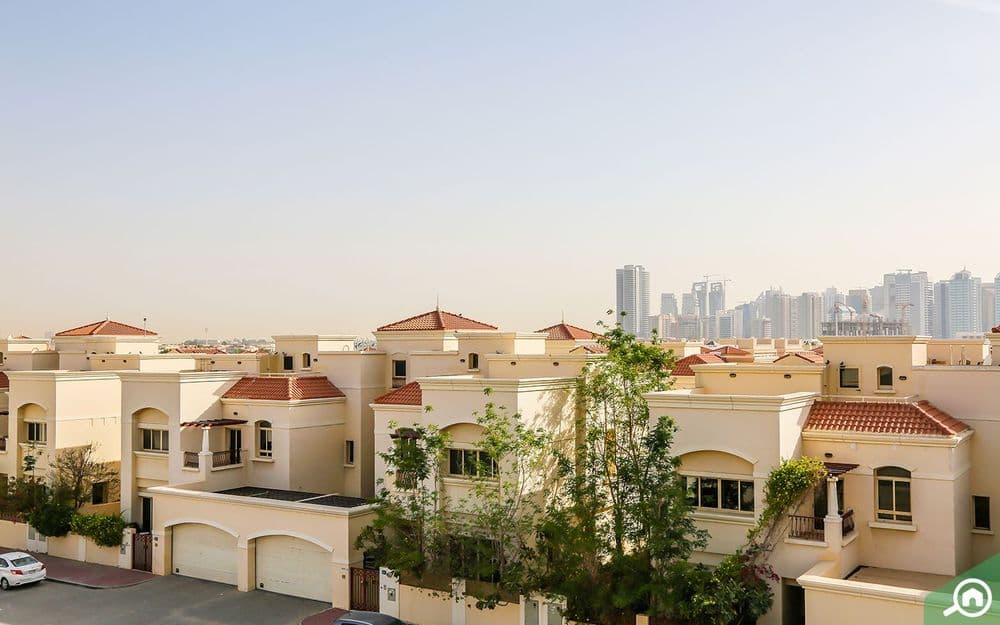
That said, the lifestyle offer is more functional than it first appears. The free zone is well-maintained, green by Dubai standards, and genuinely walkable within the campus cluster — something you can't say about most of Dubai's suburban developments. The pace is quieter. Evenings are calm. If you're a young professional who values proximity to work over nightlife, or a family that prioritises a low-traffic, low-noise environment, DIAC has real appeal.
Our buyers in this area split into two clear groups. The first is investors who never intend to live there — they want the rental yield and the captive tenant pool, full stop. The second is a smaller cohort of academics and university staff who actually want to live close to their campus and appreciate not sitting in traffic on Academic City Road every morning.
Dining options within DIAC itself are campus-canteen level — functional, not exciting. The nearest proper F&B cluster is in Silicon Oasis, roughly 10 minutes by car, where you'll find a reasonable mix of casual restaurants and cafés. Dragon Mart and the broader International City strip are also within a short drive for everyday retail.
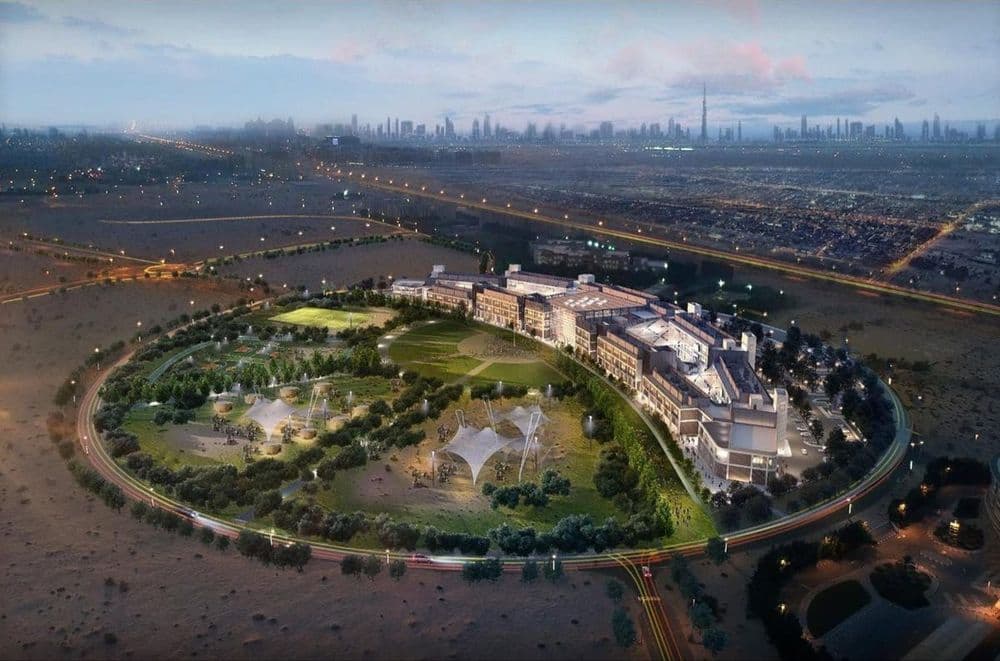
Parks and open space are better than average for a free zone. The master-plan incorporates green corridors and pedestrian paths, which is part of what makes Greenz by Danube's branding feel appropriate rather than aspirational. Families with school-age children should note that the universities here cater to tertiary education — primary and secondary schooling requires a short commute out of the zone.
This is, plainly, an investor-skewed neighbourhood right now. That will shift gradually as residential supply grows, but anyone buying here in 2025 should go in with that understanding.
Schools, healthcare & retail
Higher education (within DIAC)
- University of Wollongong in Dubai
- Manipal Academy of Higher Education Dubai
- Amity University Dubai
- Michigan State University Dubai
- Murdoch University Dubai
- Multiple additional university campuses (30+ institutions in total)
Primary & secondary schools (nearby)
- GEMS schools in the broader Academic City / Silicon Oasis corridor
- Repton School Al Barsha (accessible via E311)
- Several options in Mirdif, approximately 15–20 minutes by car
Healthcare
- Aster Clinic and similar community-level clinics operate in the Silicon Oasis and Mirdif areas, roughly 10–15 minutes away
- Rashid Hospital and major tertiary facilities are accessible via Emirates Road, approximately 25–30 minutes
Retail & daily needs
- Dragon Mart 1 & 2 — approximately 10 minutes, one of Dubai's largest retail destinations for furniture, homewares, and general merchandise
- Silicon Oasis retail strip — cafés, supermarkets, pharmacies, casual dining
- International City — additional F&B and retail within a short drive
- Larger malls (Mirdif City Centre, Dubai Festival City) are 20–25 minutes away
Getting around
DIAC sits in Dubai's eastern corridor, off Emirates Road (E611) and Academic City Road. The honest assessment: connectivity is functional but not fast.
Drive times from DIAC under normal conditions run roughly 25–30 minutes to DIFC, 30–35 minutes to the Burj Khalifa area, and 25–30 minutes to Dubai International Airport (DXB). Dubai Marina is further — expect 35–45 minutes depending on the time of day. Al Maktoum International (DWC) is a longer haul, typically 45–55 minutes via Emirates Road.
There is no metro line serving DIAC directly. The nearest Red Line stations are at Silicon Oasis or further west, which means car dependency is high. The RTA does operate bus routes through the free zone, primarily serving the student population, but these are not a practical daily commute option for most residents.
Sheikh Mohammed Bin Zayed Road (E311) is the main artery connecting DIAC to the rest of the city. Morning peak-hour congestion on E311 heading towards Downtown is real — budget an extra 10–15 minutes between 7:30 and 9:00 am. The reverse commute out of the city in the evenings is generally cleaner.
For school runs, the lack of primary and secondary schools within the zone itself means parents will be driving to nearby areas — Mirdif, Nad Al Sheba, or Silicon Oasis — adding to morning logistics. This is a genuine consideration for families, not a dealbreaker, but worth factoring into the decision.
Investment outlook
DIAC is one of the more straightforward buy-to-let cases in Dubai's outer suburbs, and we say that with conviction. The tenant base is structural, not cyclical. Over 30 universities operating within the free zone means a continuous rotation of students, postgraduate researchers, and academic staff who need housing within a reasonable commute of campus. That demand doesn't disappear when oil prices dip or when global sentiment turns.
Rental yields in this corridor have historically tracked in the 7–9% gross range — the mid-market band that Dubai's outer suburbs typically deliver. DIAC sits comfortably in that bracket. Smaller one-bedroom and studio units aimed at the student and young-professional tenant tend to perform at the upper end of that range, while larger two-bedroom units targeting faculty and families come in slightly lower but with longer average tenancy durations. Longer tenancies mean lower void periods, which matters more to net yield than the headline gross figure.
Capital appreciation here has been steady rather than spectacular. DIAC doesn't produce the sharp price spikes you see in Palm Jumeirah or Downtown during a bull run, but it also doesn't correct as hard. It's a low-beta asset in Dubai property terms — useful for portfolio diversification if you already hold higher-volatility assets elsewhere.
Resale liquidity is the one area where investors should be clear-eyed. The buyer pool for DIAC property is predominantly other investors, not end-users. That means resale timelines can be longer than in more mixed-use communities. Pricing competitively at exit is important; this isn't a market where you can test the ceiling and wait.
Greenz by Danube, delivering in Q4 2029, gives buyers a four-year off-plan window at today's prices. Given the supply deficit and the structural tenant demand, we're bullish on this area — the rental fundamentals are sound, and the entry price point still offers genuine value before the broader market catches on.
Frequently asked questions about Dubai International Academic City
What rental yields can I expect in Dubai International Academic City?
In our experience, DIAC delivers gross rental yields of around 7–8.5% annually, which is above the Dubai average. The captive audience of university students and faculty creates reliable year-round demand, and short-term academic leases (9–12 months) are common. Studios and one-bedroom units tend to perform best for yield. We always recommend factoring in a short void period between academic intakes, but overall the numbers stack up well for buy-to-let investors.
Who are the main developers active in Dubai International Academic City?
Danube Properties is currently the most active developer we work with in DIAC — their Greenz by Danube project is the standout launch in our catalogue right now. Historically, developers like Samana and smaller boutique builders have also delivered projects here. The free zone itself is managed by TECOM Group, which sets a high bar for infrastructure and master planning, giving buyers confidence in long-term quality.
What is the commute like from Dubai International Academic City to DIFC, Marina, and Dubai Airport?
DIAC sits on the eastern edge of Dubai, so commute times vary. To DIFC, expect roughly 30–40 minutes by car via Sheikh Mohammed Bin Zayed Road. Dubai Marina is around 45–55 minutes depending on traffic. Dubai International Airport (DXB) is actually one of the closer major hubs at approximately 20–25 minutes. The area isn't currently on the Metro network, so most residents drive or use ride-hailing apps — something our buyers factor into their decision.
What schools and education options are available in or near DIAC?
DIAC is literally built around education — it hosts over 30 higher-education institutions including Middlesex University Dubai, Heriot-Watt University, and the American University in Dubai. For K-12 schooling, families typically look to nearby Academic City Road corridors or Nad Al Sheba, where several KHDA-rated schools are within a 10–15 minute drive. It's a particularly appealing location for families with university-age children or those working in the education sector.
What amenities and lifestyle options does Dubai International Academic City offer?
Day-to-day conveniences are growing but still developing compared to more established communities. Residents have access to supermarkets, cafés, and dining within the academic campus clusters. Dragon Mart — one of the largest trading hubs in the region — is about 10 minutes away for shopping. For leisure, IMG Worlds of Adventure and several fitness centres are close by. Our buyers who choose DIAC tend to prioritise value and quiet surroundings over a buzzing high-street scene.
Get the Dubai International Academic City market brief
Live listings, off-plan launches, recent transactions and rental yields — direct from our advisors. No inflated commissions, no spam. One business-day reply.