Jebel Ali Freezone
Dubai community · 0 off-plan projects
About Jebel Ali Freezone
Jebel Ali Freezone — JAFZA to anyone who works here — is one of the largest free zones on the planet, anchoring Dubai's south-western edge between the port and the emerging residential belt along Sheikh Zayed Road. For years it was purely a business address. That's changing. A small but deliberate residential pipeline is taking shape, and our view is that buyers who move early here will benefit from pricing that hasn't yet caught up with the area's genuine strategic weight. This is a play for investors and owner-occupiers who want space, value, and a front-row seat to Dubai's next growth corridor.
Market overview
The residential story in Jebel Ali Freezone is still early — our current catalogue lists one active project, Suburbia by DAMAC Properties, which tells you something important: supply is thin, and that cuts both ways.
On the demand side, JAFZA hosts thousands of companies and tens of thousands of workers who currently commute from JBR, Discovery Gardens, or even Abu Dhabi. The latent demand for quality housing within a short drive of the freezone is real and, in our view, structurally underserved. When a developer of DAMAC's scale commits a project to this corridor, it's worth paying attention.
Price per square foot in this pocket of Dubai sits meaningfully below the city's mid-market average. Discovery Gardens, the closest established residential community, trades in the AED 700–900 per sqft range for apartments. New off-plan product in the Jebel Ali corridor tends to launch in a similar band, occasionally lower on larger units — which is part of the appeal. You're getting significantly more space per dirham than you would in, say, Dubai Marina or JVC at current pricing.
In our experience, areas adjacent to major employment hubs tend to re-rate once a critical mass of residential amenity arrives. JAFZA is one of the largest employment concentrations in the UAE. The infrastructure — Sheikh Zayed Road, the metro's Red Line, Jebel Ali Port — is already there. What's been missing is the residential product. That gap is beginning to close.
One honest caveat: the area is not yet a finished neighbourhood. Buyers need to be comfortable with a transitional environment — construction activity, limited retail on the doorstep, and a community that's still finding its identity. For investors, that's the opportunity. For owner-occupiers who want everything polished on day one, it may be a stretch.
Living in Jebel Ali Freezone
Let's be direct: this is not a lifestyle-first address in the way that Dubai Hills or JBR are. It's a practical, value-driven location that suits a specific type of resident very well.
The demographic our buyers tend to fit here is the JAFZA or Jebel Ali industrial-zone professional — someone who is tired of a 45-minute commute from the Marina and wants to cut that to ten minutes without sacrificing a decent apartment. There's also genuine interest from Abu Dhabi-based buyers who want a Dubai foothold that doesn't require fighting Sheikh Zayed Road traffic all the way to the city centre.
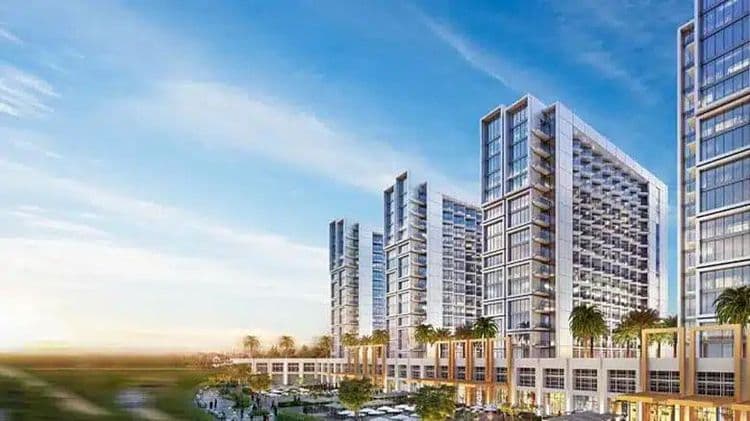
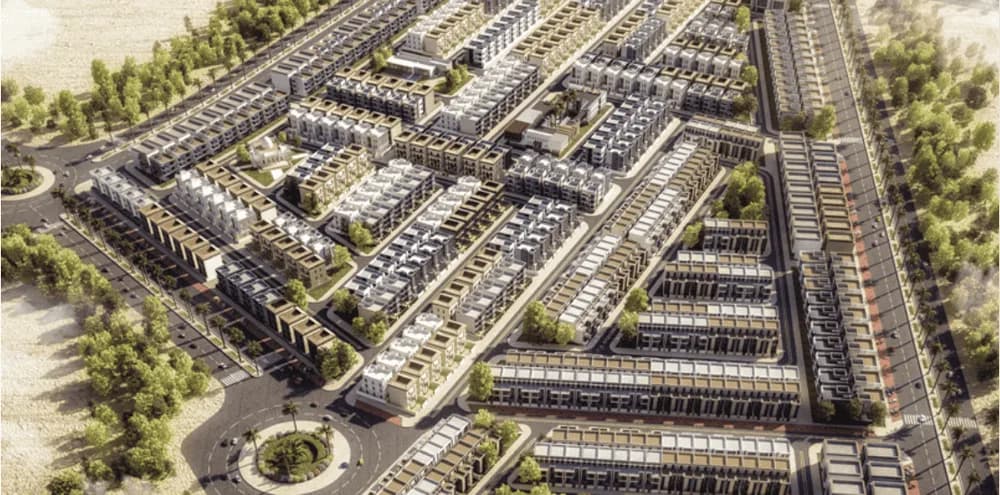
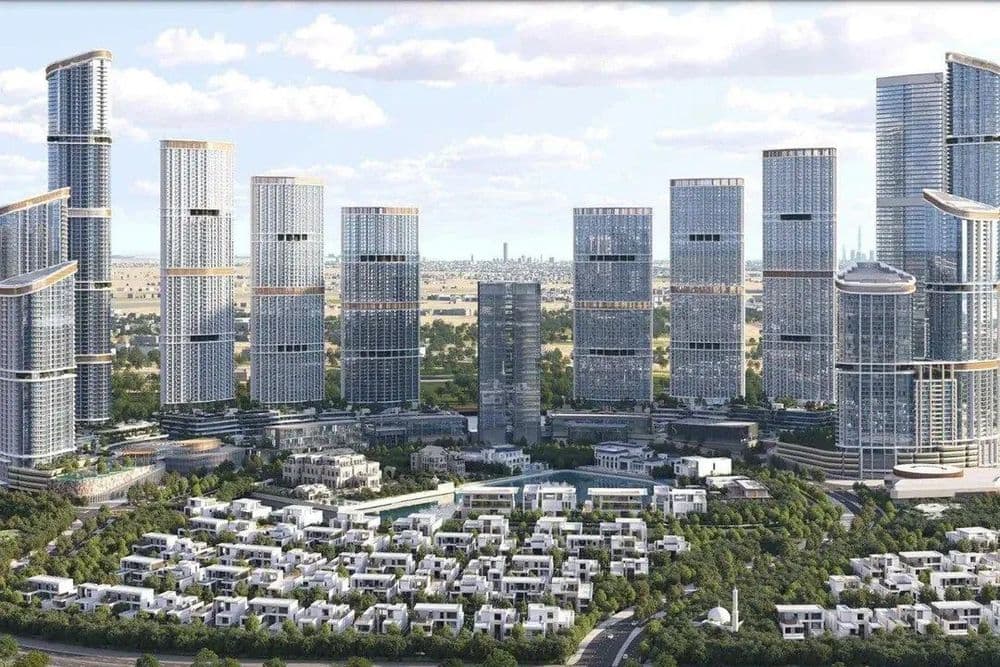
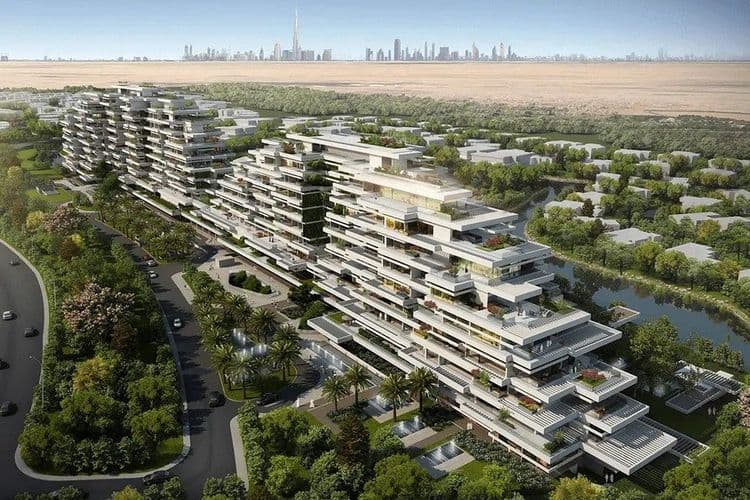
Suburbia by DAMAC, the project in our catalogue, signals a deliberate attempt to bring a community feel to the area — the name itself is a statement of intent. DAMAC has form in creating self-contained residential environments, and if the execution follows the concept, residents can expect landscaped common areas and amenity clusters that reduce the need to drive out for everyday needs.
The natural environment is an underrated asset. Jebel Ali Beach — one of the quieter stretches of Dubai coastline — is accessible from here. Al Furjan and Discovery Gardens, both established communities with cafés, gyms, and supermarkets, are a short drive away and effectively serve as the neighbourhood's current retail and dining spine.
Walkability is limited right now. That's the honest answer. The area is car-dependent, and pedestrian infrastructure is still catching up with the residential ambition. Families with school-age children will need to factor in school-run logistics carefully — options exist in the broader Jebel Ali and Al Furjan corridor, but none are within walking distance.
Schools, healthcare & retail
Schools within reach:
- Greenfield International School (Al Furjan) — one of the closer established options
- The Winchester School (Jebel Ali) — long-standing British curriculum school in the immediate area
- Several schools in Discovery Gardens and Ibn Battuta corridor
Healthcare:
- Aster Clinic branches operate in the Discovery Gardens and Al Furjan area
- NMC and other mid-market providers have facilities along the Sheikh Zayed Road corridor
- For specialist care, Mediclinic and major hospital groups are 20–30 minutes away in the city
Retail & daily needs:
- Ibn Battuta Mall — one of Dubai's larger themed malls — is approximately 10 minutes by car and covers most retail and dining needs
- Al Furjan Pavilion and Discovery Gardens retail strip handle everyday grocery and café requirements
- Carrefour and major supermarket chains are accessible within a 10–15 minute drive
The honest picture: on-doorstep amenity is still limited. The area leans on neighbouring communities for most retail and dining. That will change as the residential pipeline fills in, but buyers should plan accordingly for the next 3–5 years.
Getting around
Connectivity here is genuinely strong by road — not just on paper. Sheikh Zayed Road (E11) runs directly alongside the freezone, giving fast access in both directions with relatively predictable traffic outside peak hours.
- Burj Khalifa / Downtown Dubai: approximately 35–40 minutes by car under normal conditions.
- DIFC: 35–40 minutes via Sheikh Zayed Road.
- Dubai Marina / JBR: 15–20 minutes — this is the closest major lifestyle hub.
- Dubai International Airport (DXB): 40–50 minutes, depending on traffic.
- Al Maktoum International Airport (DWC): 15–20 minutes. This is a significant advantage as DWC expands.
The Red Line metro serves this corridor, with Jebel Ali and Ibn Battuta stations providing rail access. For JAFZA workers, the metro is a practical option. For residents commuting to DIFC or Downtown, you'll likely drive — the metro journey involves a long ride and the stations aren't always close to final destinations.
The proximity to DWC is the connectivity story that most people underestimate. As Al Maktoum Airport grows into one of the world's largest aviation hubs, the surrounding area — including JAFZA — will see accelerating infrastructure investment. That's a medium-term tailwind for the whole corridor.
Investment outlook
Jebel Ali Freezone sits in an interesting position for investors: low entry price, high employment density nearby, and a supply pipeline that's barely started. That combination doesn't stay quiet forever.
Rental yields in this corridor currently run in the 7–9% gross range for well-positioned apartments — consistent with Dubai's mid-market yield band and above what you'd achieve in more expensive established communities. The tenant pool is anchored by JAFZA employees, logistics professionals, and workers from the broader Jebel Ali industrial zone, which provides a degree of demand stability that purely lifestyle-driven communities don't always have.
Capital appreciation here has historically been modest compared to Dubai's headline markets — this is not a community that has seen the sharp re-ratings of, say, Dubai Hills or Business Bay. But that's precisely the argument for it now. The re-rating hasn't happened yet. With DWC expansion underway, the 2040 Urban Master Plan directing growth southward, and developers like DAMAC committing capital to the corridor, the conditions for a step-change in values are assembling.
Resale liquidity is the honest risk to flag. With only one project in our active catalogue, the secondary market is thin. Investors buying off-plan here need to be comfortable holding through completion and into a stabilised tenancy — this is not a quick-flip market. Those with a 5–7 year horizon, however, are positioned to benefit from both yield and the eventual price discovery that comes when a corridor tips from 'emerging' to 'established'.
Our editorial line: bullish, with patience required. The fundamentals are sound, the entry price is fair, and the macro tailwinds from DWC and the southward growth corridor are real — but this is a 5-year thesis, not a 12-month one.
Frequently asked questions about Jebel Ali Freezone
Who are the main developers active in Jebel Ali Freezone?
DAMAC Properties is the most active developer we work with in this corridor right now, with Suburbia being the headline project in our catalogue. DAMAC's track record in master-planned communities gives buyers confidence on delivery timelines and finishing standards. We're monitoring other developers eyeing the area, but for the moment DAMAC is setting the pace and defining what residential living here looks like.
What rental yields can I expect in Jebel Ali Freezone?
In our experience, JAFZA-area properties are generating gross rental yields in the range of 7–9%, driven by strong demand from the zone's workforce — engineers, logistics managers, and corporate tenants who prefer short commutes. Furnished units tend to command a premium. We always recommend buyers stress-test at the lower end of that range, but the fundamentals here are genuinely supportive of healthy returns.
What is the commute like from Jebel Ali Freezone to DIFC, Dubai Marina, and DXB?
Honestly, it depends on timing. Dubai Marina is roughly 20–25 minutes by car outside peak hours; DIFC runs 35–45 minutes. Dubai International Airport (DXB) is about 45–55 minutes, though Al Maktoum International (DWC) is practically on the doorstep — under 15 minutes. The Dubai Metro's Red Line has a Jebel Ali station, giving car-free commuters a real option. Our buyers who work within the freezone itself obviously have the shortest commute of all.
What schools and amenities are available near Jebel Ali Freezone?
The area is still developing its community infrastructure, so we're transparent about that. Jebel Ali School (rated Good by KHDA) is within reach, and Discovery Gardens has a cluster of supermarkets, clinics, and dining options about 10–15 minutes away. Ibn Battuta Mall is roughly 20 minutes north. Projects like Suburbia are designed with on-site retail and leisure in mind, which will improve the day-to-day experience significantly as the community grows.
Can non-UAE nationals buy property in Jebel Ali Freezone?
Yes — residential projects like Suburbia by DAMAC sit within designated freehold zones, meaning expatriates and foreign nationals can purchase with full ownership rights. Buyers also become eligible to apply for a UAE property investor visa (typically a 2-year or 10-year Golden Visa, depending on investment value). We walk every client through the eligibility criteria during our first consultation so there are no surprises at the finish line.
Get the Jebel Ali Freezone market brief
Live listings, off-plan launches, recent transactions and rental yields — direct from our advisors. No inflated commissions, no spam. One business-day reply.