Jebel Ali Freezone Extension
Dubai community · 0 off-plan projects
About Jebel Ali Freezone Extension
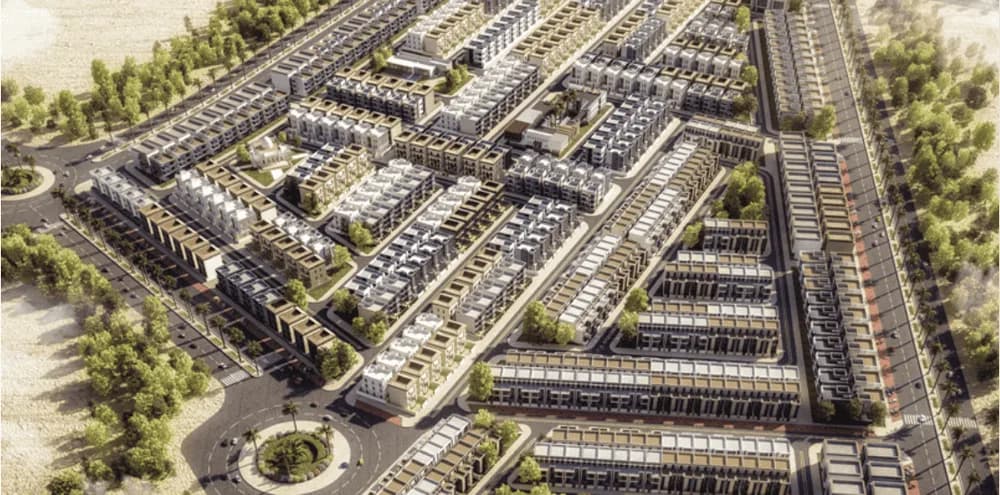
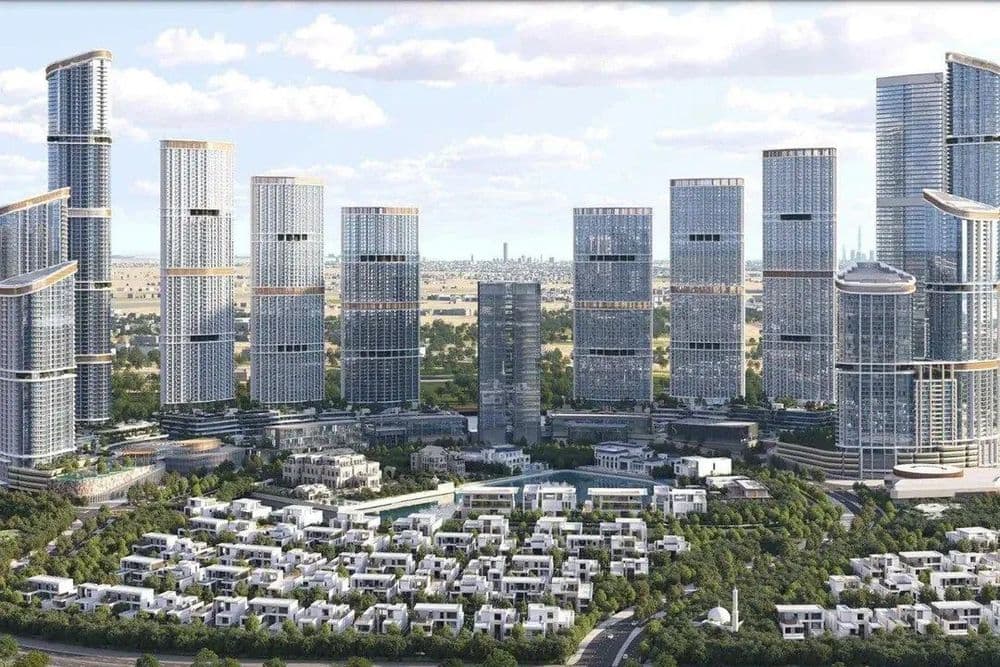
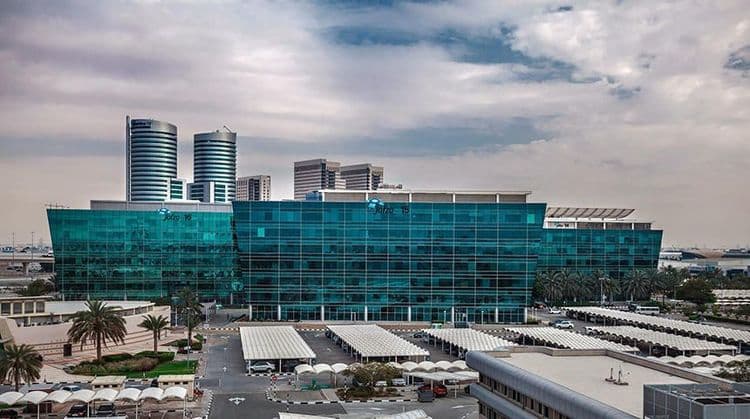
Jebel Ali Freezone Extension sits at the western edge of Dubai's growth corridor — a zone that most buyers haven't caught up with yet, which is precisely why our investors are paying attention. Anchored by the broader Jebel Ali Free Zone (JAFZA) ecosystem and positioned along the Sheikh Zayed Road spine, this area is transitioning from a purely industrial address into a mixed-use district with genuine residential ambition. It's not for everyone. But for buyers who want early-mover pricing before infrastructure catches up with the master-plan, this is one of the more compelling bets on Dubai's western arc right now.
Market overview
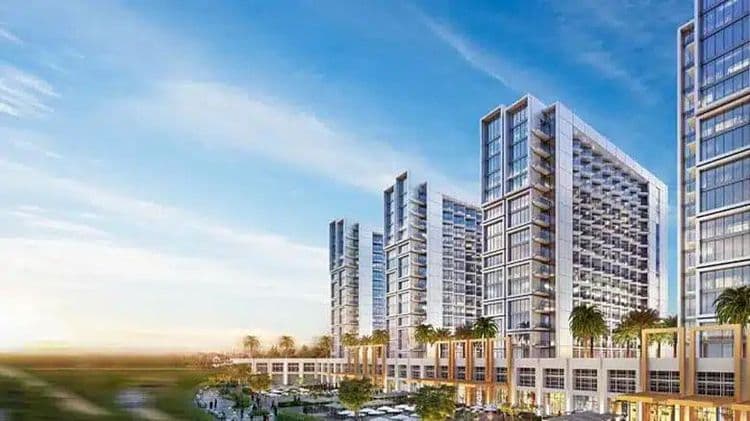
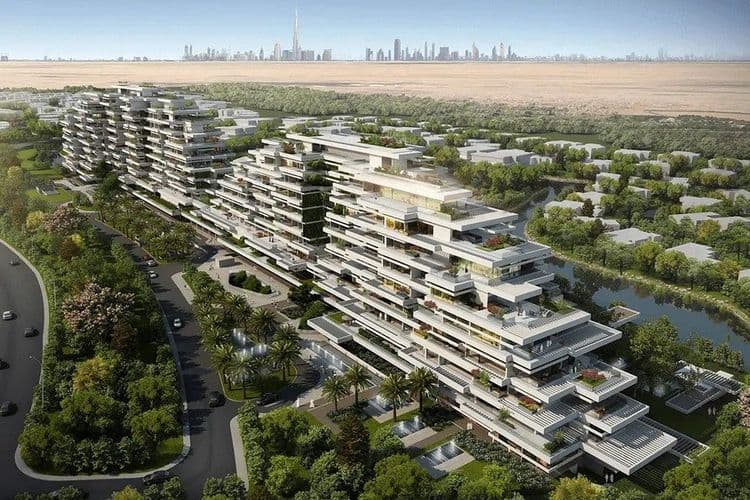
Our catalogue currently lists one active project in Jebel Ali Freezone Extension — Equiti Gate by Refine Development. That single-project supply picture tells you something important: this is not a saturated market. You're not competing with twenty other launches for the same buyer pool, and that scarcity dynamic tends to favour early purchasers when the area matures.
Refine Development is a developer that has built a reputation for delivering product that punches above its price point, and Equiti Gate is their flagship bet on this corridor. The project's positioning reflects a broader thesis: that the western stretch of Sheikh Zayed Road, long dominated by logistics and light industry, is due a residential and commercial upgrade off the back of Expo City's legacy infrastructure and the ongoing expansion of Al Maktoum International Airport.
Price per square foot in this zone sits meaningfully below comparable mid-market product in established communities further east. Our estimate of around AED 1,000–1,200 per sqft for off-plan stock here reflects the area's current positioning — not prime, but not peripheral either. Think of it as the gap between what the land is worth today and what it will be worth when the surrounding infrastructure is fully operational.
In our experience, areas adjacent to major logistics and free-zone hubs in Dubai tend to follow a predictable cycle: industrial dominance, then mixed-use rezoning, then residential demand driven by the workforce already living nearby. Jebel Ali Freezone Extension is mid-cycle on that trajectory. The risk is timing; the reward is that you're not paying for a story that's already been told.
One honest caveat: with only one project in active supply, secondary market liquidity is limited right now. Buyers should treat this as a medium-to-long hold rather than a quick flip. That's not a weakness — it's just the honest shape of an emerging district.
Living in Jebel Ali Freezone Extension
Let's be direct: this is not a lifestyle-first neighbourhood in the way that Dubai Hills or JBR are. It doesn't have a weekend brunch strip or a jogging track lined with cafés. What it does have is space, relative quiet, and a sense that the area is being built with intent rather than retrofitted.
The demographic our buyers tend to fit here skews heavily investor-first. Owner-occupiers who do choose this area are typically professionals working within JAFZA or the broader Jebel Ali industrial corridor — people for whom a 10-minute commute to work matters more than proximity to a mall. That's a real and underserved renter pool, and it's one reason the yield story here is worth taking seriously.
For families, the honest answer is that the area isn't there yet. School options within walking or short driving distance are limited, and the retail and dining infrastructure is functional rather than curated. That will change — it always does in Dubai when a major anchor like Al Maktoum Airport is expanding nearby — but buyers should price in a 3–5 year horizon before the lifestyle offer catches up.
What the area does well right now is connectivity to nature and open space. The proximity to Jebel Ali Beach and the relative absence of high-density development means you're not staring into someone else's window. For a certain kind of buyer — one who wants a base in Dubai without the noise of the central districts — that's genuinely appealing.
Singles and young professionals working in the free zone will find the value-per-square-metre here hard to argue with. The lifestyle trade-off is real, but so is the saving.
Schools, healthcare & retail
Schools within reach:
- The International School of Choueifat (Al Sufouh campus, ~25 min drive)
- Schools in Al Furjan and Discovery Gardens clusters (~15–20 min drive)
- GEMS schools along the Sheikh Zayed Road corridor
- The broader Jumeirah Village and Motor City school belt for families willing to drive
Healthcare:
- Aster Medical Centres operate multiple branches along the Sheikh Zayed Road corridor
- NMC hospitals and clinics serve the Jebel Ali and Al Furjan catchment
- Mediclinic Parkview Hospital (~25 min drive) for specialist care
- Ibn Battuta area has pharmacy and clinic clusters for day-to-day needs
Retail & daily needs:
- Ibn Battuta Mall (~10–15 min drive) — one of Dubai's larger regional malls, with a full supermarket, cinema, and F&B offer
- Al Furjan Pavilion for neighbourhood-scale grocery and dining
- JAFZA itself has canteen and convenience retail serving the working population
- Dragon Mart (~30 min) for furniture and fit-out needs, relevant for investors furnishing units
The retail picture is functional rather than aspirational at this stage. Ibn Battuta Mall carries most of the weight for residents, and it does the job well. As the residential population grows, neighbourhood-level retail will follow — that's a consistent pattern across Dubai's developing western districts.
Getting around
Jebel Ali Freezone Extension sits along the Sheikh Zayed Road (E11) corridor, which is Dubai's primary arterial highway. That's the good news. The honest news is that the 35–40 kilometre distance from the Burj Khalifa means a drive of roughly 35–45 minutes in normal traffic — and closer to an hour during peak morning hours heading east into the city. DIFC is a similar story: 35–40 minutes on a clear run, longer during rush hour.
Dubai Marina is actually the most accessible of the major hubs from here — around 20–25 minutes by car, which makes the area feel less isolated than the map suggests.
DXB (Dubai International Airport) is a 45–55 minute drive, which is a genuine inconvenience for frequent flyers. Al Maktoum International Airport (DWC), however, is under 15 minutes away — and as DWC's expansion accelerates, that proximity will shift from a footnote to a headline.
The Dubai Metro's Route 2020 extension serves the broader Jebel Ali area, with the nearest stations at Jebel Ali and further along toward Expo City. For residents without a car, metro access is workable but not seamless — you'll likely need a short taxi or ride-share leg to reach the station.
School-run convenience is currently limited. Most families in the area drive to schools in Discovery Gardens, Al Furjan, or further into the city. That's a 15–25 minute round trip on a good morning.
Investment outlook
The investment case for Jebel Ali Freezone Extension rests on three pillars: below-market entry pricing, a captive rental audience within JAFZA, and the long-term infrastructure tailwind from Al Maktoum International Airport's expansion.
Rental yields in this corridor tend to sit in the 7–9% gross range — consistent with mid-market Dubai districts where purchase prices haven't yet caught up with rental demand. The JAFZA workforce is large, stable, and predominantly renting. That's not a speculative demand story; it's a structural one. Companies operating in the free zone house thousands of employees who need accommodation within a reasonable commute, and the supply of quality residential product in the immediate area has historically been thin.
Capital appreciation here is a slower burn than in, say, Business Bay or Dubai Creek Harbour. This isn't a district where you'll see 20% paper gains in twelve months off the back of a viral launch. What you're more likely to see is steady, compounding appreciation as the Al Maktoum Airport expansion progresses and the surrounding mixed-use infrastructure fills in. The Expo City legacy has already demonstrated that Dubai's western corridor can attract sustained investment — Jebel Ali Freezone Extension is the next logical step along that axis.
Resale liquidity is the main risk to flag honestly. With one project in active supply, the secondary market is thin. Buyers who need to exit quickly may find fewer ready buyers than in more established communities. That's a real constraint, and it means this area suits investors with a 5-year-plus horizon rather than those looking for a short-cycle trade.
Our editorial line: bullish, with patience required. The fundamentals are sound, the entry price is fair, and the airport expansion is not a rumour — it's a funded, phased reality that will reshape this corridor over the next decade.
Frequently asked questions about Jebel Ali Freezone Extension
Who are the main developers active in Jebel Ali Freezone Extension?
The developer we're actively working with here is Refine Development, the team behind Equiti Gate. Refine has built a reputation for delivering well-specified mid-rise residential buildings with strong finish quality. Beyond Refine, the broader Jebel Ali corridor has seen interest from Nakheel and a handful of boutique developers, though supply remains limited — which is part of what makes the area attractive to our buyers right now.
What rental yields can I expect in Jebel Ali Freezone Extension?
Gross rental yields in this pocket are tracking between 7% and 8.5% annually, based on comparable leasing data we monitor across the Jebel Ali corridor. The tenant pool is largely professionals working in the freezone itself or commuting to Dubai South and the port. Demand is steady rather than seasonal, which our investor clients appreciate. Net yields after service charges and management fees typically land around 6–7%, still comfortably above the Dubai average.
What is the commute like from Jebel Ali Freezone Extension to DIFC, Dubai Marina, and DXB?
Realistically, Dubai Marina is about 20–25 minutes by car via Sheikh Zayed Road, and DIFC adds another 10–15 minutes on top of that. Dubai International Airport (DXB) is roughly 45–55 minutes depending on traffic. The area is also served by the Jebel Ali Metro Station on the Red Line, making car-free commuting viable for many residents. Our buyers who work in the freezone itself, of course, are practically walking distance from their office.
What schools and amenities are near Jebel Ali Freezone Extension?
The closest established school cluster is in Jebel Ali Village, roughly 10 minutes away, where you'll find Jebel Ali School (British curriculum, rated Good by KHDA). Ibn Battuta Mall is about 15 minutes north and covers most retail and dining needs. For day-to-day essentials, Carrefour and a growing strip of F&B outlets are within a short drive. It's not as amenity-dense as JBR yet, but the gap is closing as the community matures.
What makes Equiti Gate by Refine Development stand out in this area?
Equiti Gate is currently the only project in our active catalogue for this zone, and we've been impressed by what Refine has put together. The building offers a mix of studios, 1-bed, and 2-bed units with practical layouts, above-average finish specs, and a payment plan structured to suit both end-users and investors. Positioned close to the freezone gate, it appeals strongly to professionals who want to cut their commute. We'd suggest booking a site visit before Phase 2 pricing is released.
Get the Jebel Ali Freezone Extension market brief
Live listings, off-plan launches, recent transactions and rental yields — direct from our advisors. No inflated commissions, no spam. One business-day reply.