Jebel Ali Hills
Dubai community · 0 off-plan projects
About Jebel Ali Hills
Jebel Ali Hills sits in Dubai's south-western corridor — a low-density residential district that most buyers haven't caught up with yet. That's precisely why we're paying attention. With land parcels that dwarf anything you'll find closer to the city centre, and a price point that still reflects its emerging status, this is a neighbourhood for buyers who want space, quiet, and the upside that comes with being early. It's not for everyone. But for the right buyer — or the right investor — Jebel Ali Hills is one of the more compelling under-the-radar positions in Dubai right now.
Market overview
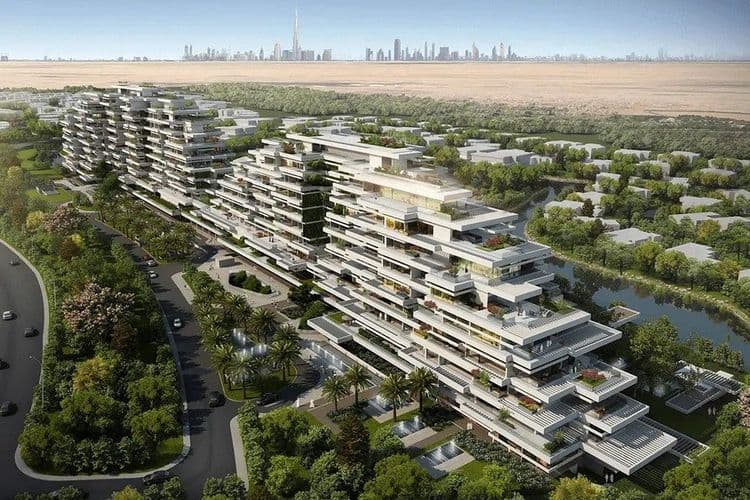
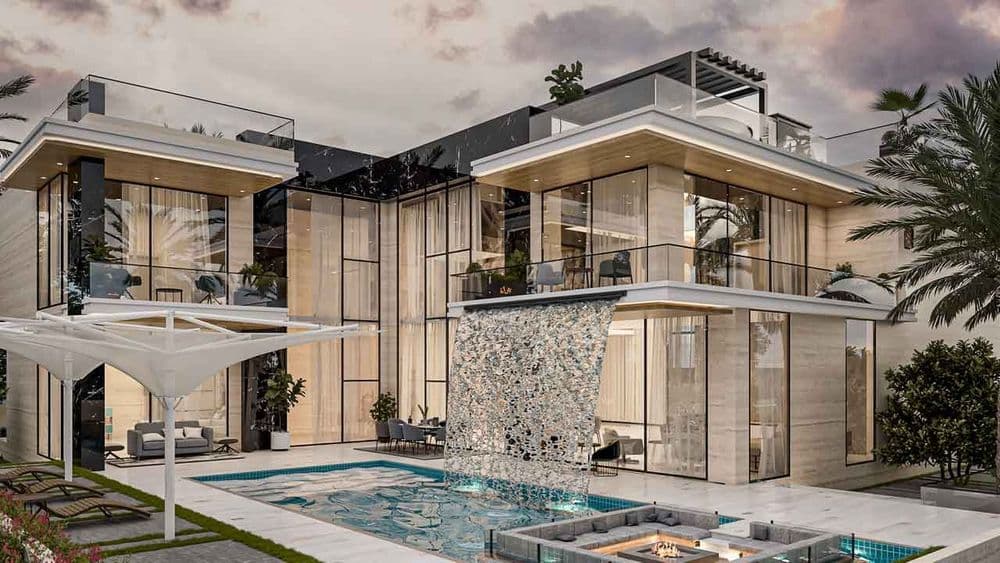
Our current catalogue for Jebel Ali Hills carries one active project: AB Hills by AB Developers, scheduled for delivery in Q1 2027. One project doesn't mean a thin market — it means a market at the beginning of its formation curve, which is a very different thing.
Jebel Ali Hills is a freehold community, and that designation matters. Freehold status in a district this far south-west of the city centre is relatively rare, and it's the structural reason why the area attracts both end-users looking for large plots and investors who want to get in before the supply pipeline thickens.
On pricing, Jebel Ali Hills sits firmly in Dubai's affordable-to-mid-market band. Per-square-foot rates here are meaningfully lower than established communities like Arabian Ranches or Dubai Hills Estate — in some cases less than half. That gap reflects the current lack of surrounding retail and F&B infrastructure, not any fundamental flaw in the land or the master-plan. In our experience, these infrastructure gaps close faster than buyers expect once a critical mass of residents arrives, and the price correction that follows tends to be sharp.
The off-plan nature of AB Hills means buyers are purchasing on a payment plan that stretches toward 2027, which keeps the entry ticket manageable. That's a genuine advantage in a rising-rate environment where cash-flow timing matters.
One honest caveat: with only one project currently active, secondary market liquidity is limited. Buyers should treat this as a medium-term hold, not a flip. The upside is real; so is the patience required to capture it. We'd rather tell you that plainly than dress it up.
Living in Jebel Ali Hills
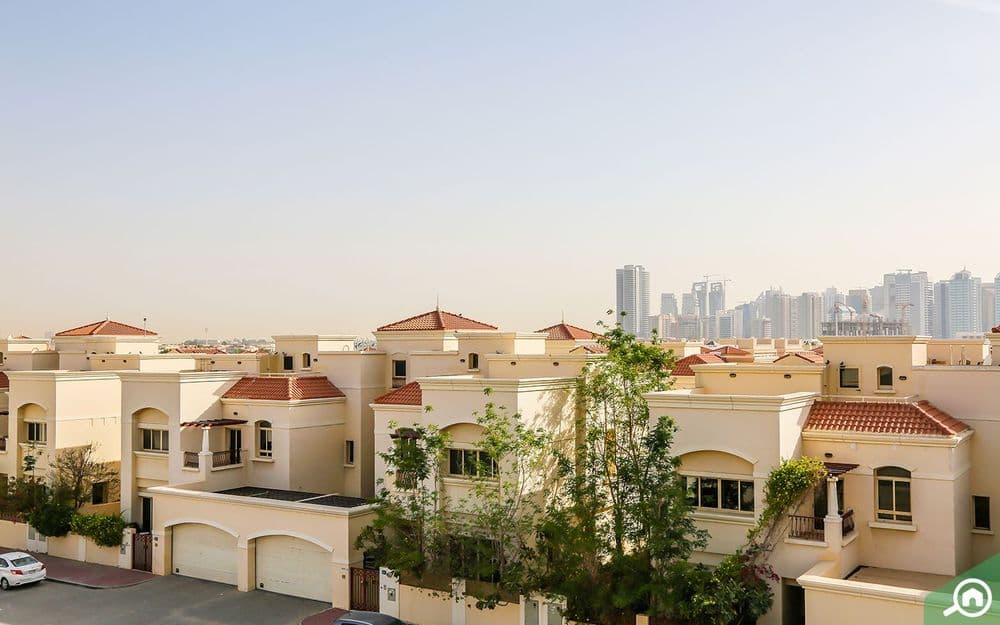
Jebel Ali Hills is unambiguously a low-density, villa-and-townhouse district. The plots are generous, the streets are quiet, and the density targets are nothing like what you'd find in JVC or Business Bay. If you need a coffee shop on your doorstep at 7 a.m., this isn't your neighbourhood yet.
What it does offer is space — genuine, usable outdoor space — in a city where that commodity gets more expensive every year. Our buyers who are drawn here tend to fall into two groups: families who've been priced out of Arabian Ranches and want a comparable feel at a lower entry point, and investors who've watched exactly that dynamic play out in other southern Dubai communities and want to be front of the queue this time.
The demographic skew is clearly family-oriented. Large plot sizes, proximity to the Jebel Ali area's relative calm, and the absence of high-rise towers all point in that direction. Singles and young professionals tend to prioritise connectivity and nightlife proximity — neither of which is Jebel Ali Hills' strongest suit right now.
The surrounding natural landscape is one of the area's genuine assets. The rocky terrain and open desert views give it a character that's distinct from the manicured sameness of some master-planned communities. Whether you find that appealing or sparse depends entirely on what you're looking for.
Walkability is low by any honest measure. You'll need a car for almost everything. That's a trade-off, not a dealbreaker — but buyers should go in clear-eyed about it.
Schools, healthcare & retail
Jebel Ali Hills is an emerging community, and the amenity picture reflects that honestly. Here's where things stand:
Schools within reach:
- Jebel Ali School (one of Dubai's longer-established British curriculum schools) is accessible from the area
- The southern Dubai corridor has a growing cluster of schools serving the Arabian Ranches and Mudon communities, which are within a reasonable drive
Healthcare:
- Jebel Ali's industrial and port district has established medical facilities serving the area's large working population
- For specialist care, most residents will travel toward Dubai Marina or Al Barsha, where private hospital options are well-developed
Retail & daily needs:
- Ibn Battuta Mall is the nearest major retail destination — roughly 20-25 minutes by car — and covers most shopping requirements comprehensively
- Community-level retail within Jebel Ali Hills itself is still developing; expect this to improve as the residential population grows post-2027
- Dragon Mart and the broader International City retail cluster are accessible via E311 for those who want more options
The honest summary: amenities are adequate for now and improving. Buyers who need everything on their doorstep should wait another few years. Buyers who can tolerate a short drive for daily needs will find the trade-off acceptable given the space and price advantages.
Getting around
Jebel Ali Hills sits off Sheikh Mohammed Bin Zayed Road (E311), which is the main artery connecting it to the rest of Dubai. That's a solid foundation for road connectivity, though it comes with the usual caveat: E311 gets congested during peak hours, particularly heading north-east toward the city.
Drive times in normal traffic: Dubai Marina is roughly 20-25 minutes away. DIFC and Downtown Dubai sit around 35-45 minutes depending on the time of day. Dubai International Airport (DXB) is approximately 45-50 minutes. Al Maktoum International Airport (DWC), on the other hand, is genuinely close — under 20 minutes — which will matter more as DWC's expansion progresses.
There is no metro access directly serving Jebel Ali Hills at present. The nearest metro stations are on the Red Line's southern end near Jebel Ali, which still requires a car or taxi connection. For daily commuters who rely on public transport, this is a real limitation.
School runs will be car-dependent. The road infrastructure is there; the journey times are manageable for families who work in the southern or western parts of Dubai. For anyone commuting daily to DIFC or Deira, the drive is long enough to factor seriously into the decision.
Investment outlook
Jebel Ali Hills sits in the mid-market to affordable segment, and that's where the yield story gets interesting. Mid-market communities in Dubai have historically delivered gross rental yields in the 7-9% range — above what you'd expect from prime areas like Palm Jumeirah or Downtown, where yields compress as capital values rise faster than rents.
With AB Hills targeting Q1 2027 delivery, investors buying off-plan today are acquiring at pre-completion prices. If the broader Dubai market holds its current trajectory — and we see no structural reason it won't over a two-to-three year horizon — there's a reasonable capital appreciation case between purchase price and handover value, before rental income even enters the calculation.
The longer-term appreciation story hinges on two things: the pace of infrastructure development in the surrounding area, and the expansion of Al Maktoum International Airport. DWC's growth is not speculative — it's a committed government infrastructure project, and Jebel Ali Hills is better positioned relative to DWC than almost any other residential community in Dubai. That proximity will become a pricing factor as DWC matures.
Resale liquidity is the honest weak point right now. With one project in the pipeline, the secondary market is thin. Investors who need to exit quickly may find fewer buyers than they'd like. This is a patient-capital play — hold through to completion and into the first rental cycle before reassessing.
Our editorial line: bullish, with a medium-term horizon. The DWC adjacency alone justifies early-mover positioning, and the current price point leaves room for meaningful upside.
Frequently asked questions about Jebel Ali Hills
Who are the main developers active in Jebel Ali Hills?
The community is still in its growth phase, so the developer list is selective. Ab Developers is the most active name in our current catalogue with their AB Hills project, which targets villa and townhouse buyers. A handful of smaller boutique developers are also acquiring plots. We always recommend checking a developer's track record and escrow compliance before committing — our team can walk you through that due diligence at no cost.
What rental yields can I expect in Jebel Ali Hills?
Because the community is still maturing, rental data is limited compared to established areas. Based on comparable low-density villa communities in the wider Jebel Ali corridor, we'd guide buyers toward gross yields of 5–7% once units are tenanted. Demand is driven largely by professionals working in Jebel Ali Free Zone and Dubai South. As more residents move in and amenities open, we expect yields to stabilise — and capital values to do the heavier lifting for investors.
What is the commute like from Jebel Ali Hills to DIFC, Dubai Marina, and DXB?
Jebel Ali Hills sits just off Sheikh Zayed Road (E11), which makes driving times manageable: roughly 15–20 minutes to Dubai Marina, 35–45 minutes to DIFC, and about 45–55 minutes to Dubai International Airport outside peak hours. The nearby Jebel Ali Metro station on the Red Line gives residents a car-free option into the city. For buyers who work in Dubai South or the Free Zone, the commute is genuinely short — under 10 minutes by car.
What schools and amenities are available near Jebel Ali Hills?
The area is still developing its retail and leisure layer, so residents currently rely on nearby hubs. Jebel Ali Village and Discovery Gardens are within 10 minutes and offer supermarkets, clinics, and dining. For schools, Jebel Ali School (rated Good by KHDA) and The Winchester School are both within a 15-minute drive. Ibn Battuta Mall is roughly 20 minutes away for larger retail needs. We always advise buyers with school-age children to confirm catchment areas before purchasing.
Is Jebel Ali Hills freehold, and can expats buy there?
Yes — Jebel Ali Hills is a designated freehold zone, meaning UAE nationals and expats alike can purchase with full ownership rights. This is one of the key reasons we recommend it to international buyers looking for long-term security. Ownership comes with eligibility for a UAE residency visa (subject to minimum purchase value thresholds, currently AED 750,000 for a 2-year visa and AED 2 million for a 10-year Golden Visa). Our team handles the DLD registration process end to end.
Get the Jebel Ali Hills market brief
Live listings, off-plan launches, recent transactions and rental yields — direct from our advisors. No inflated commissions, no spam. One business-day reply.