Jebel Ali Industrial
Dubai community · 0 off-plan projects
About Jebel Ali Industrial
Jebel Ali Industrial sits at the south-western edge of Dubai, anchored by one of the world's busiest ports and a free zone that has drawn multinational logistics and manufacturing operations for decades. It's not a conventional residential address — and that's precisely why a specific type of buyer is paying attention right now. With off-plan supply in the area still thin, the single project in our catalogue, Azizi Abraham, represents an early signal that residential development is beginning to push into this corridor. For investors who want to get in before the crowd, this is a district worth understanding.
Market overview
Jebel Ali Industrial is not a mature residential market. Let's be direct about that. The area's identity has been shaped by the Jebel Ali Free Zone (JAFZA), the port, and the industrial estates that service them — not by apartment towers or villa communities. That context matters when reading the supply picture.
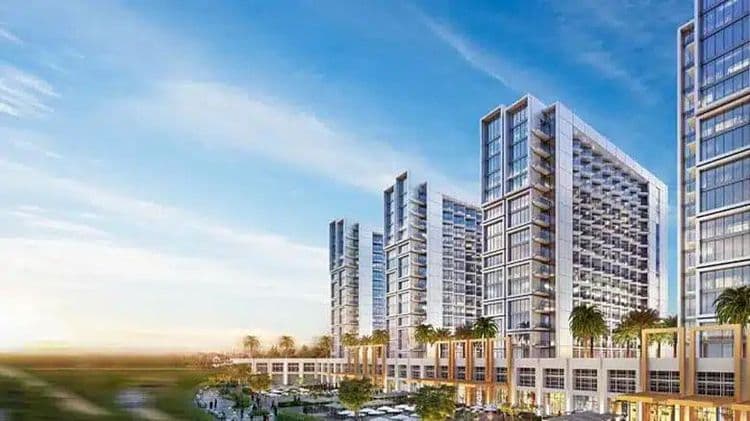
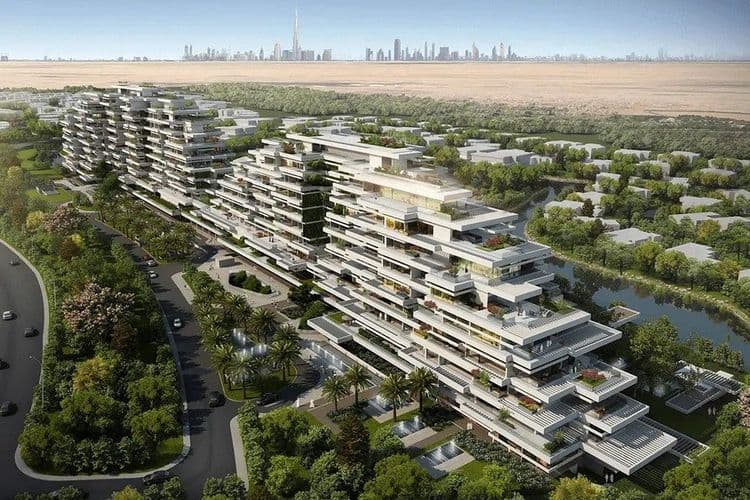
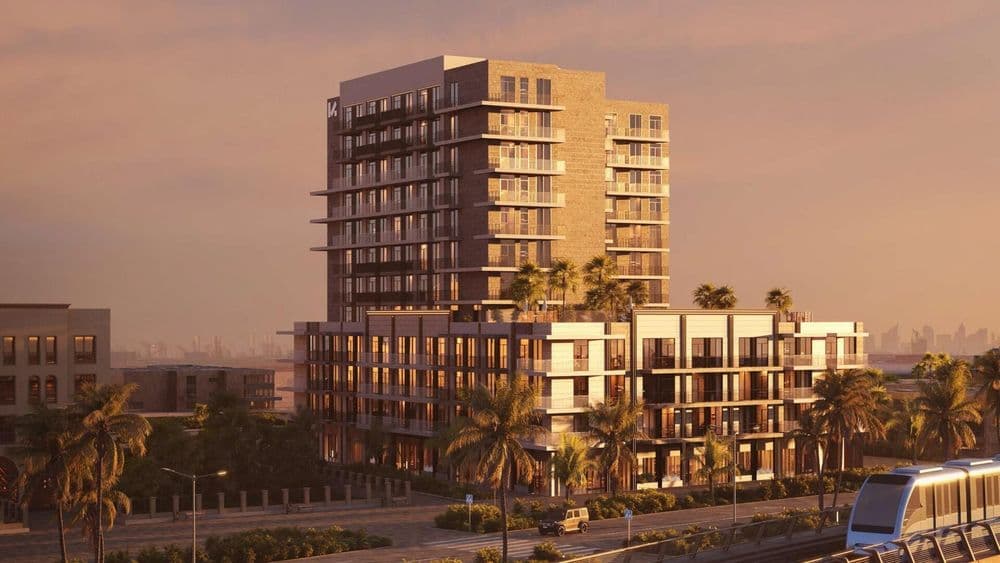
Our catalogue currently lists one active project here: Azizi Abraham by Azizi Developments, scheduled for delivery in Q4 2027. One project is a thin pipeline by any measure, but in a district that has historically had near-zero residential off-plan activity, it's a meaningful opening move. Azizi Developments has a track record of building in underserved Dubai corridors — Al Furjan, Studio City, Healthcare City — and then watching those corridors mature around their stock.
Price per square foot in Jebel Ali Industrial sits at the more accessible end of the Dubai spectrum. Buyers accustomed to Dubai Marina or Downtown pricing will find the entry point here noticeably lower, which is part of the investment thesis. The trade-off is that you're buying into a district that is still in transition from a purely industrial identity toward a mixed-use one.
In our experience, areas adjacent to major employment hubs — and JAFZA employs tens of thousands of workers — tend to generate steady rental demand from mid-income professionals who want to live close to work. That demand is currently being absorbed by communities like Discovery Gardens and Al Furjan, which are nearby. As residential supply in Jebel Ali Industrial itself grows, some of that demand should migrate.
The honest caveat: price appreciation here is a longer-horizon story. This isn't a district where you'll flip in 18 months. But for investors building a portfolio with a 5–7 year view, the combination of low entry price, proximity to a major employment zone, and a still-sparse supply pipeline is a credible setup. We'd rather be early in a district like this than late in one that's already been written up in every property portal.
Living in Jebel Ali Industrial
This is not a lifestyle destination in the way that Dubai Hills or JBR are. Be honest with yourself about that before you buy.
The area is dominated by warehouses, logistics yards, and light manufacturing facilities. Green space is limited. The street-level experience is functional rather than pleasant. If you're a young professional who wants rooftop pools and Friday brunch within walking distance, this isn't your neighbourhood.
Who does it suit? Primarily, it suits people who work in or around JAFZA, the port, or the industrial estates — and who place a premium on a short commute over a curated lifestyle. We also see interest from investors who have no intention of living here themselves and are purely focused on rental yield from that same working population.
The demographic skew is clear: working professionals, logistics and trade sector employees, and value-conscious renters who find Discovery Gardens or Al Furjan slightly out of reach. Families with school-age children are a smaller segment, given the current scarcity of schools and retail within the immediate area.
That said, the broader Jebel Ali corridor is changing. The Jebel Ali Village redevelopment — a large-scale community project to the north — is bringing parks, retail, and community infrastructure to the wider zone. That rising tide will eventually lift the residential appeal of the industrial district too, even if the timeline is measured in years rather than months.
For now, think of Jebel Ali Industrial as a place where the investment case is stronger than the lifestyle case. That ratio may shift by the time Azizi Abraham completes in late 2027.
Schools, healthcare & retail
Amenities within Jebel Ali Industrial itself are sparse. Most residents rely on neighbouring communities for daily needs.
Schools (within 10–15 minutes):
- The Winchester School, Jebel Ali
- Jebel Ali School
- Greenfield International School (Al Quoz / Emaar South corridor)
Healthcare:
- Aster Clinic, Discovery Gardens
- NMC Royal Hospital, Ibn Battuta area
- Mediclinic Ibn Battuta
Retail & daily needs:
- Ibn Battuta Mall — one of Dubai's larger regional malls, approximately 10–15 minutes by car
- Discovery Gardens community retail strip for everyday groceries and services
- JAFZA's internal facilities serve the working population during business hours
Parks & recreation:
- Al Furjan community parks, accessible by car
- Jebel Ali Beach, a low-key public beach option roughly 15 minutes away
The honest picture: if walkable retail and on-your-doorstep amenities matter to you, this district isn't ready yet. For investors targeting tenants who are JAFZA workers with cars, the nearby provision is adequate. It's a gap that residential development — including projects like Azizi Abraham — will gradually help close.
Getting around
Connectivity is one of Jebel Ali Industrial's genuine strengths — on paper and, for the most part, in practice.
Sheikh Zayed Road (E11) runs along the eastern edge of the district, giving direct access to the rest of Dubai. The drive to Dubai Marina takes roughly 20–25 minutes outside peak hours. DIFC and Downtown Dubai are approximately 35–45 minutes depending on traffic. Dubai International Airport (DXB) is around 45–50 minutes; Al Maktoum International Airport (DWC) is significantly closer, sitting roughly 15–20 minutes away — a genuine advantage as DWC's expansion progresses.
The Dubai Metro's Red Line extends to Jebel Ali station, which is within reach of the district. This is a real asset for car-free residents and for workers commuting into the city centre. The JAFZA metro station also serves the free zone directly.
Where connectivity gets complicated is internal circulation. The industrial road network is designed for trucks and freight, not pedestrian movement or school runs. Getting around within the district without a car is awkward. For families, the school run to institutions in Discovery Gardens or Al Furjan adds 10–15 minutes each way.
Overall verdict: strong arterial access to the wider city, weak walkability within the district itself. For a commuter-focused tenant base, that's an acceptable trade-off.
Investment outlook
Jebel Ali Industrial sits in the mid-market to affordable segment of Dubai's residential spectrum. Gross rental yields in comparable Dubai corridors — Al Furjan, Discovery Gardens, IMPZ — typically run in the 7–9% range, and we'd expect Jebel Ali Industrial to perform similarly, possibly at the higher end given the lower entry price point and the captive demand from JAFZA's workforce.
The supply picture is the most compelling part of the investment case right now. With only one project — Azizi Abraham, delivering Q4 2027 — in our active catalogue, there's no near-term oversupply risk specific to this district. Compare that to areas like JVC or Arjan, where dozens of towers are completing simultaneously and rental rates face downward pressure. Scarcity of residential stock in a high-employment zone is a reasonable foundation for yield stability.
Capital appreciation is a slower story. Jebel Ali Industrial doesn't have the brand recognition of Dubai's established residential communities, and that discount is real. The upside is that the discount itself is the opportunity. As the Jebel Ali corridor matures — driven by DWC's expansion, the Jebel Ali Village project, and continued JAFZA growth — the gap between this area's pricing and that of its neighbours should narrow.
Resale liquidity is the main risk to flag. A thin transaction market means that if you need to exit quickly, you may face a longer sales cycle than in a higher-volume community. This is a hold-to-yield play, not a quick-flip market.
Our editorial line: cautiously bullish, with a 5–7 year horizon. The employment anchor is real, the supply is thin, and the entry price is low — but patience is non-negotiable here.
Frequently asked questions about Jebel Ali Industrial
Who are the main developers active in Jebel Ali Industrial?
Right now Azizi Developments is the most active residential developer in the area, with Azizi Abraham being the flagship project in our current catalogue. Azizi has a strong track record of delivery across Dubai, which matters to our buyers who are cautious about off-plan risk. We expect other mid-tier developers to follow as the area's residential profile grows, but for now Azizi is setting the pace here.
What rental yields can I expect in Jebel Ali Industrial?
Gross rental yields in this pocket typically range between 7% and 9%, driven by consistent demand from workers and professionals tied to JAFZA and the port. In our experience, smaller units — studios and one-beds — perform best on yield because the tenant pool skews toward single professionals. If cash flow is your priority over capital gains, this area deserves a serious look compared to more saturated markets like Business Bay or Downtown.
What is the commute like from Jebel Ali Industrial to DIFC, Dubai Marina, and DXB?
Commute times vary depending on traffic. To Dubai Marina it's roughly 15–20 minutes by car via Sheikh Zayed Road. DIFC sits about 35–45 minutes away during peak hours. Dubai International Airport (DXB) is a longer haul at 45–55 minutes, though Al Maktoum International (DWC) is practically on the doorstep — under 15 minutes. The Jebel Ali Metro Station on the Red Line also gives residents a car-free option into the city.
What schools and amenities are available near Jebel Ali Industrial?
The area is still developing its retail and lifestyle infrastructure, so we're honest with buyers: you'll rely on nearby communities for day-to-day needs. Ibn Battuta Mall is about 10 minutes away and covers most retail and dining requirements. For schools, Greenfield International School and several options in Discovery Gardens are within a 10–15 minute drive. The area suits buyers who prioritise value and investment return over having a coffee shop at their doorstep.
Is Jebel Ali Industrial suitable for end-users or mainly investors?
Honestly, our current buyer mix here skews 70% investor, 30% end-user. The end-users we do see are typically professionals working in JAFZA or the logistics sector who want to live close to work. For families seeking a community-first lifestyle, we'd usually point them toward nearby Discovery Gardens or Al Furjan. But for a buy-to-let investor wanting strong yields and a low entry price, Jebel Ali Industrial is one of the more compelling cases we're presenting right now.
Get the Jebel Ali Industrial market brief
Live listings, off-plan launches, recent transactions and rental yields — direct from our advisors. No inflated commissions, no spam. One business-day reply.