Off-planSeptember 2026
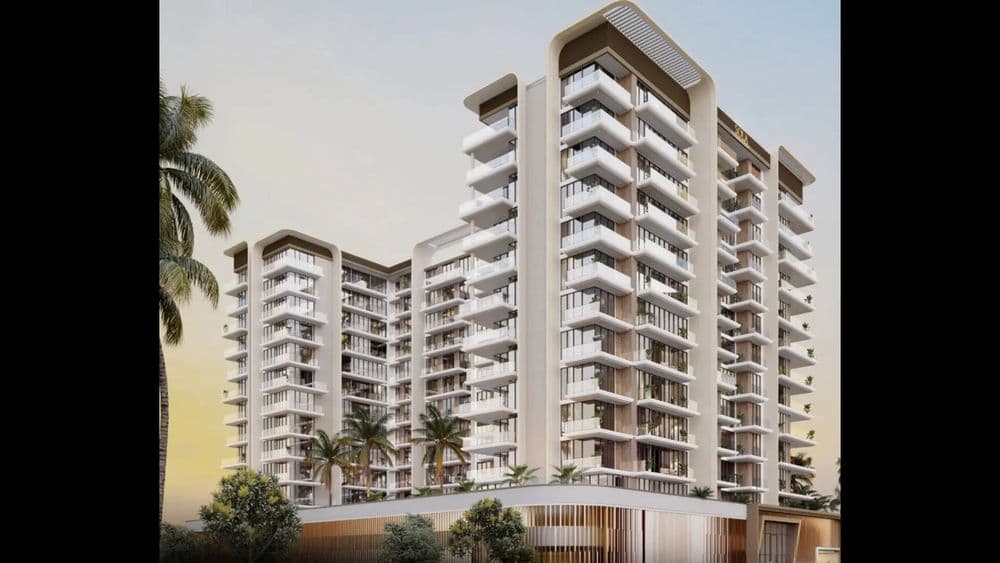
Dubai community · 1 off-plan project
Jebel Ali Village is one of Dubai's quieter, low-rise residential pockets — a deliberate contrast to the high-rise corridors that dominate the city's newer districts. Sitting in the south-west of Dubai, close to Sheikh Zayed Road and the Expo City axis, it draws buyers who want space, greenery, and a genuine neighbourhood feel without retreating to the far suburbs. Our take: this is an area mid-cycle, with a credible off-plan pipeline now forming around it. Investors who move early here are buying into a story that hasn't fully been priced in yet.
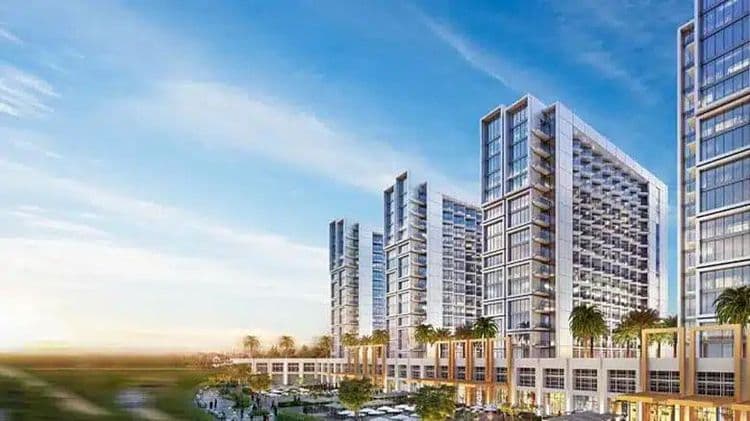
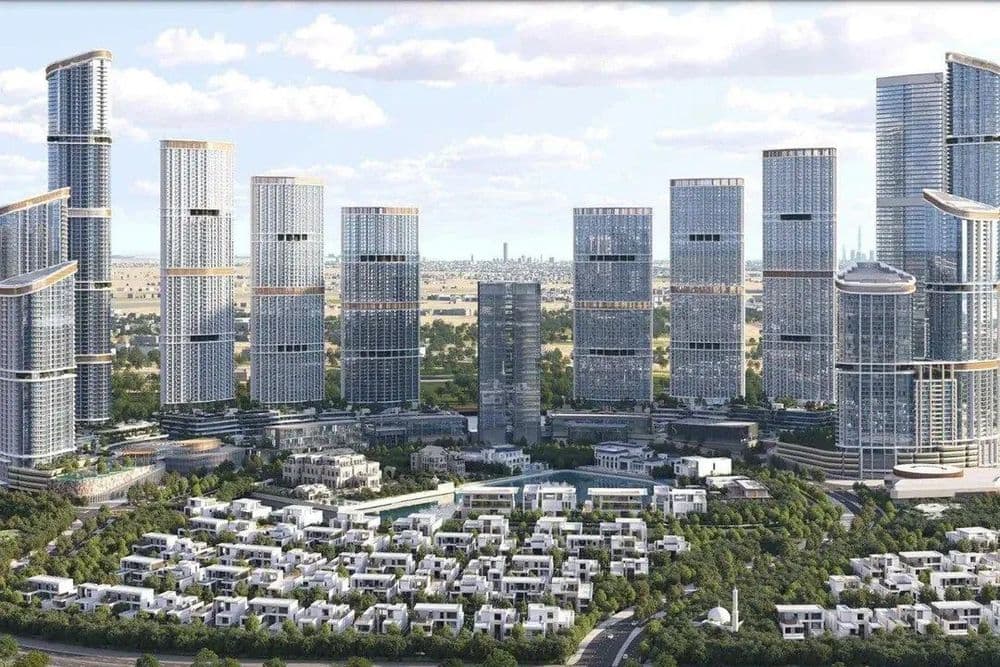
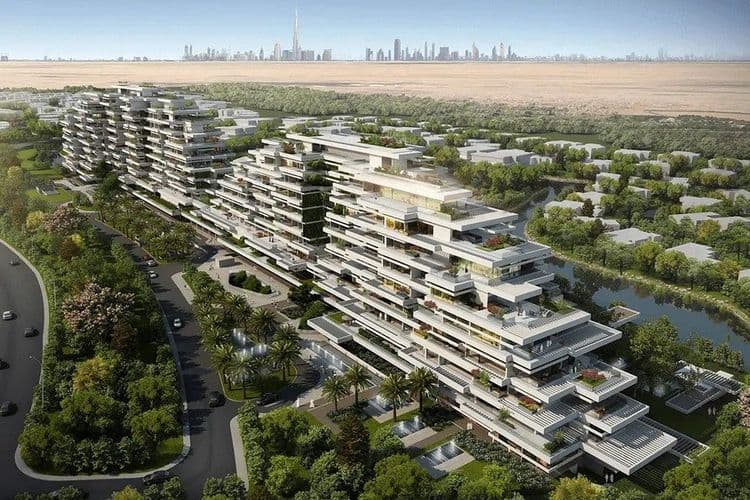
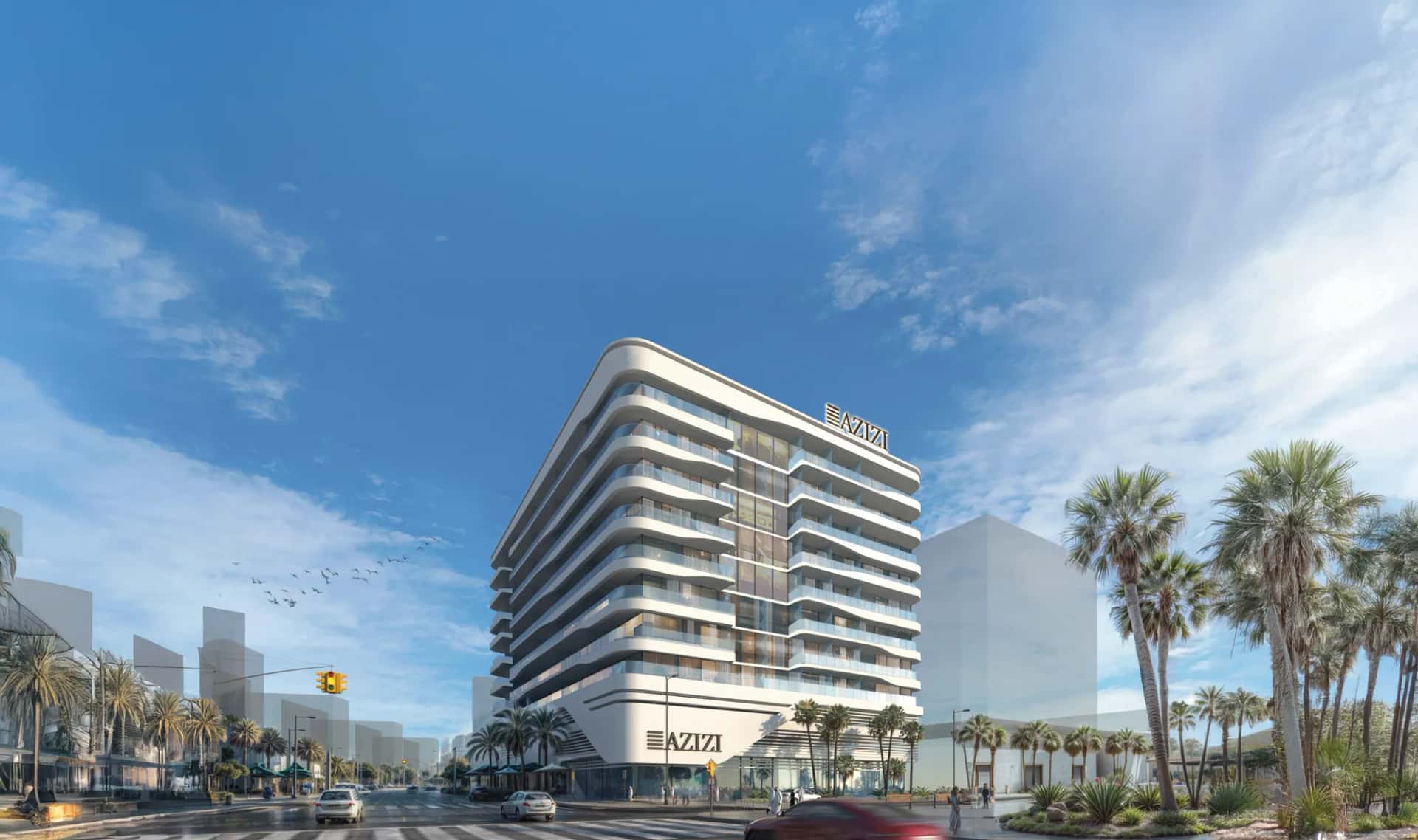
Jebel Ali Village currently carries eight active projects in our catalogue — a meaningful cluster for an area that, until recently, sat largely off the radar of Dubai's off-plan machine. The pipeline includes Equiti Home by Refine Development, PG Upperhouse by Pure Gold Living, REEF 999 by Reef Luxury Development, South Garden by Wasl Properties, and four phases of the Lunaya masterplan by Zaya Developer Properties: The Bloom, The Dune, The Rise, and The Sol. The Lunaya phases alone carry handover dates stretching from Q4 2029 to Q4 2030, which tells you something important — this is a medium-horizon play, not a quick flip.
Price per square foot in Jebel Ali Village currently sits in the AED 1,000–1,400 range for off-plan product, depending on unit type and developer positioning. That's meaningfully below comparable low-rise communities in the Jumeirah corridor or Dubai Hills Estate, which is precisely the argument for being here early. Wasl Properties' involvement through South Garden adds a layer of credibility; Wasl is a government-backed developer with a track record of delivering on schedule, and that matters when you're committing to a 2029–2030 handover.
In our experience, areas with a mix of government-linked and private developers tend to see steadier price appreciation than those dominated by a single speculative player. Jebel Ali Village fits that pattern. The supply pipeline is concentrated enough to create a coherent neighbourhood identity, but not so dense that it risks oversupply in the near term.
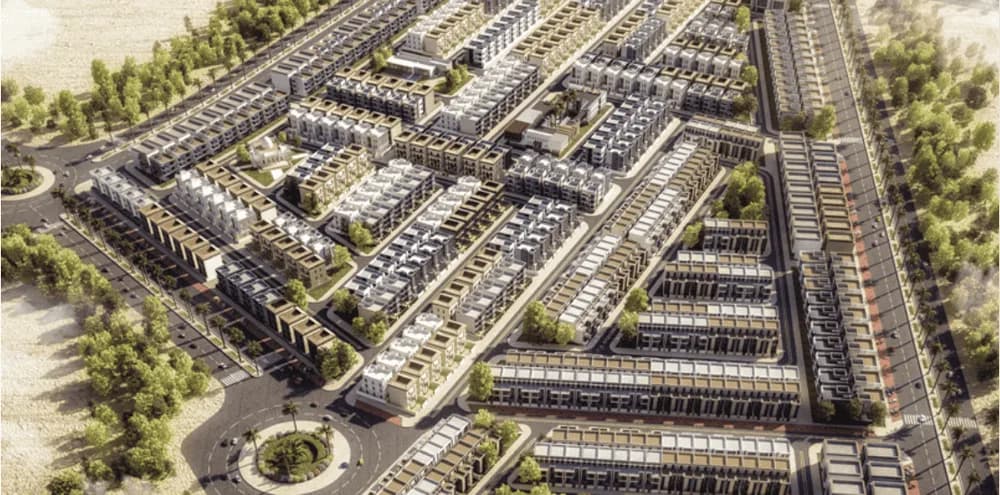
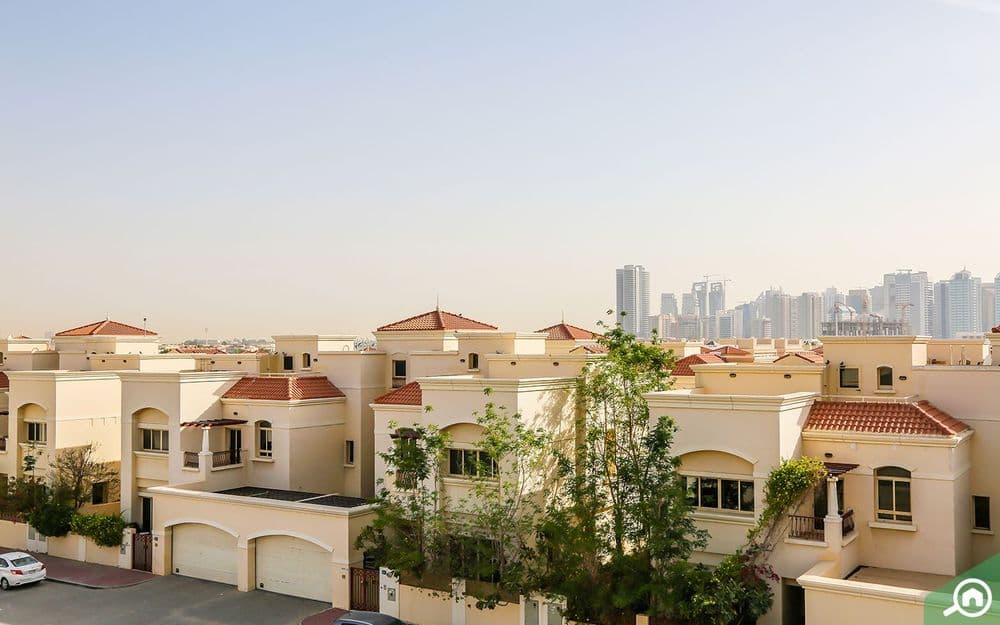
The area's existing low-rise character — older villas, wide plots, mature trees — sets a tone that the incoming off-plan projects appear to respect. That's not always the case in Dubai, where new developments can feel disconnected from their surroundings. Here, the scale feels considered. We'd describe this as one of the cleaner supply stories in Dubai's south-west corridor right now.
Jebel Ali Village has a pace that's genuinely different from the rest of Dubai. It's quieter. Streets are wider relative to the building heights. There's a sense that the area was designed for people who actually live there, rather than for a sales brochure.
Our buyers here tend to fall into two clear groups. The first is families — typically those who've outgrown apartment living in JBR or JVC and want a garden, a ground-floor front door, and a school run that doesn't involve a 40-minute crawl. The second is long-term investors who've watched communities like Arabian Ranches and Mudon mature and want to catch the next version of that story earlier in the cycle.
Singles and young professionals are a smaller share of the buyer pool here, and that's honest. The area doesn't have the café-dense, walkable energy of Downtown or the beach-adjacent buzz of Dubai Marina. What it has instead is space, relative calm, and a community feel that's harder to manufacture than a rooftop pool.
Dining and retail within the immediate village are modest — this isn't a destination for a Friday brunch crawl. But Ibn Battuta Mall is close, and the broader Jebel Ali and Expo City corridor has been adding F&B and leisure options steadily. The proximity to Al Furjan and Discovery Gardens means residents have access to a reasonable range of supermarkets, clinics, and casual dining without driving far.
Parks and open space are a genuine selling point. The existing village layout includes green corridors, and the incoming Lunaya phases by Zaya appear to continue that emphasis on landscaped outdoor areas. For families with young children, that matters more than a concierge desk.
Schools within reach:
Healthcare:
Retail & daily needs:
Leisure & fitness:
Connectivity here is genuinely solid — not just on paper. Sheikh Zayed Road (E11) runs along the eastern edge of the area, giving direct access to the rest of Dubai without the bottleneck-prone internal roads you get in some master-planned communities.
Drive times from Jebel Ali Village run roughly as follows: Dubai Marina is around 15–20 minutes in normal traffic; DIFC and Downtown Dubai are 30–40 minutes; Dubai International Airport (DXB) is 40–45 minutes; Al Maktoum International (DWC) is 20–25 minutes, which is a genuine advantage as DWC's expansion continues.
The Dubai Metro's Route 2020 line — extended for Expo 2020 — has stations at Jebel Ali and along the corridor towards Expo City, putting rail access within a short drive or ride-share hop. It's not a walk-to-metro situation for most of the village, but it's close enough to be practical.
For school runs, the cluster of schools in Al Furjan and Discovery Gardens is accessible in under 10 minutes. The road network in this part of Dubai is less congested than the northern corridors, which means the stated drive times hold up reasonably well even during peak hours. That's a real differentiator for families who've spent years sitting in traffic on Sheikh Mohammed Bin Zayed Road.
Jebel Ali Village sits in the mid-market band of Dubai's residential spectrum, and that's where the yield story gets interesting. Mid-market communities in Dubai's south-west corridor have historically delivered gross rental yields in the 7–9% range, outperforming prime areas like Palm Jumeirah or Downtown (which typically run 5–7%) on a yield basis, even if absolute capital values are lower.
The eight projects in our current catalogue represent a supply wave that will largely complete between 2029 and 2030. That timeline creates a window. Buyers who commit now at off-plan prices are locking in before the area's profile is fully established — and in our experience, the sharpest capital appreciation in Dubai's mid-market communities tends to happen in the 18–36 months around handover, as the neighbourhood becomes tangible and rental demand firms up.
Resale liquidity in Jebel Ali Village is currently thinner than in higher-profile areas. That's the honest caveat. This isn't a market where you can exit in 90 days if your circumstances change. Buyers should treat this as a 3–5 year minimum hold, either for capital growth or rental income.
The presence of Wasl Properties — a developer with government backing and a consistent delivery record — alongside private developers like Zaya and Refine adds credibility to the pipeline. Mixed developer environments tend to attract a broader buyer base, which supports secondary market depth over time.
The proximity to Expo City and the Al Maktoum Airport expansion is a structural tailwind that's hard to ignore. As that corridor develops, Jebel Ali Village sits in a favourable position relative to where employment and infrastructure are heading.
Our editorial line: bullish, with patience required — this is an early-mover opportunity in an area whose fundamentals are strengthening, but the payoff is a 2029–2031 story, not a 2025 one.
In our current catalogue we work with five developers active in the area: Refine Development (Equiti Home), Pure Gold Living (PG Upperhouse), Reef Luxury Development (REEF 999), Wasl Properties (South Garden), and Zaya Developer Properties, who have four releases under the Lunaya master community. Wasl is a government-backed entity, which our buyers often find reassuring from a delivery-risk perspective. Each developer brings a different price point and finish standard, so we match buyers to the right fit.
Gross yields in Jebel Ali Village currently run between 6% and 8% for one- and two-bedroom apartments, based on comparable leasing data we track in the corridor. Demand comes from workers in Jebel Ali Free Zone (JAFZA), Expo City staff, and families priced out of Dubai Marina. Net yields after service charges and management fees typically land around 5–6.5%. Off-plan buyers who secure today's prices stand to see that yield improve further once the community matures.
Driving to Dubai Marina takes roughly 20–25 minutes via Sheikh Zayed Road, and DIFC is around 35–40 minutes in normal traffic. Dubai International Airport (DXB) is approximately 45–50 minutes by car, though Al Maktoum International (DWC) is only 15 minutes away — a factor worth considering as DWC expands. The area is also served by Jebel Ali Metro Station on the Red Line, making car-free commuting to Marina and JLT genuinely practical.
Yes — the area is more established than many buyers expect. Jebel Ali School (rated Outstanding by KHDA) is within a 10-minute drive, and Greenfield International School is close by too. For daily needs, Ibn Battuta Mall is roughly 10 minutes away with a full supermarket, dining, and healthcare. The Lunaya master community by Zaya is also planning on-site retail and green space, which will reduce reliance on driving for residents of those four towers specifically.
Most developers in our Jebel Ali Village catalogue offer post-handover payment plans stretching 2–5 years, which is one of the main reasons we see strong interest from end-users and investors alike. Typical structures are 40/60 or 50/50 (construction vs. handover). REEF 999 and the Lunaya series have been particularly flexible on payment scheduling. We always negotiate directly with developers on behalf of our buyers, so contact us before paying any booking fee — terms can shift.
Live listings, off-plan launches, recent transactions and rental yields — direct from our advisors. No inflated commissions, no spam. One business-day reply.