Nadd Al Hamar
Dubai community · 0 off-plan projects
About Nadd Al Hamar
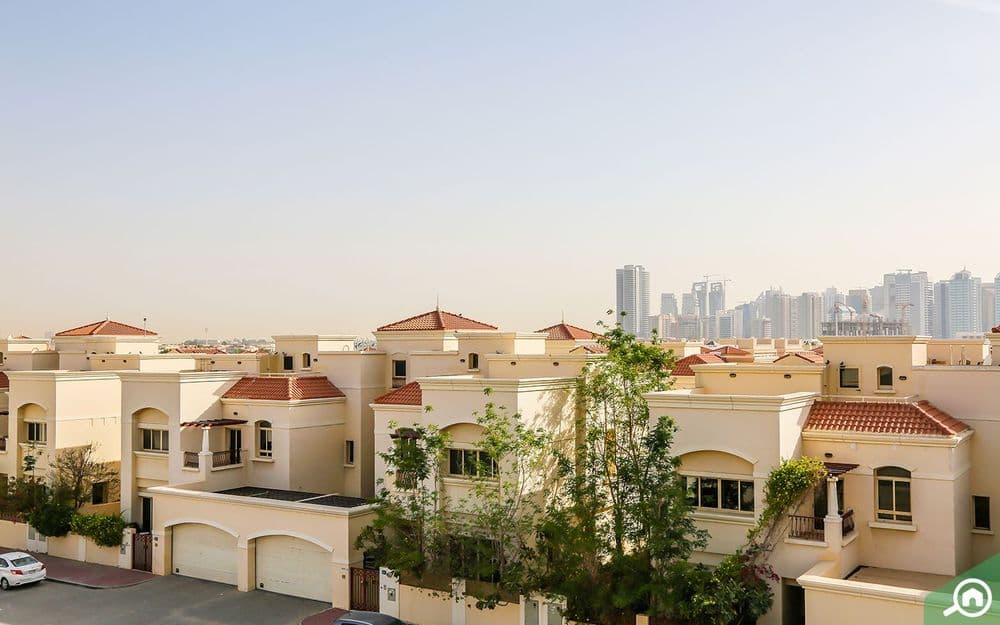
Nadd Al Hamar sits in the eastern corridor of Dubai, a low-density residential district that most buyers overlook — which is precisely why it keeps appearing on our radar. It's a neighbourhood built around space: wider plots, quieter streets, and a pace that suits families who've grown tired of the density found closer to the coast. With off-plan supply still thin and genuine end-user demand quietly building, this is one of those areas where getting in early still means something. Our honest take? Nadd Al Hamar is underrated, and the gap between its price point and its liveability is closing faster than most people expect.
Market overview
Nadd Al Hamar's supply pipeline is, by Dubai standards, remarkably contained. Our current catalogue lists just one active project here — Myra Onyx by Myra Properties, scheduled for delivery in Q3 2026 — which tells you something important about the area's development tempo. This isn't a district being carpet-bombed with towers. Supply is measured, and that scarcity has a direct bearing on pricing dynamics.
Price per square foot in Nadd Al Hamar sits meaningfully below the Dubai average for comparable mid-market residential product. Buyers accustomed to paying AED 1,400–1,600 per sqft in areas like Meydan or Dubai Hills will find Nadd Al Hamar offering genuine value, typically in the AED 900–1,150 per sqft range for newer off-plan stock, though this varies by unit type and floor. Villa and townhouse plots in the surrounding streets tend to trade on land value rather than a per-sqft metric, and those deals happen quietly.
In our experience, areas with this kind of supply restraint — one or two active projects rather than twenty — tend to hold their resale values more steadily through market cycles. There's no glut of competing inventory to undercut you when you want to exit. That's not a guarantee, but it's a structural advantage that buyers in oversupplied corridors simply don't have.
The buyer profile here skews heavily towards end-users: UAE nationals, long-term expat residents, and families relocating from busier parts of the city. Investor-flippers are less common, which keeps the secondary market cleaner. We've also seen growing interest from buyers priced out of Mirdif and Al Warqa who are looking one step further east without sacrificing the community feel those areas offer.
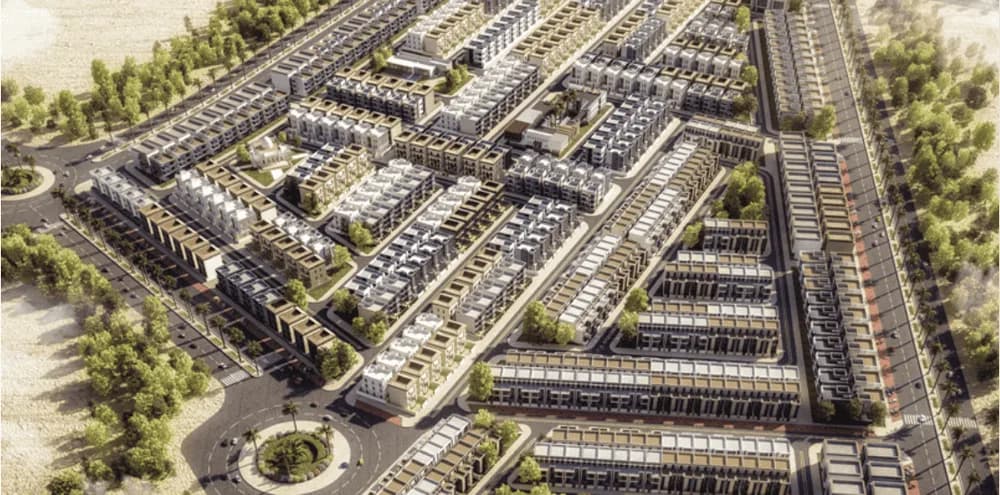
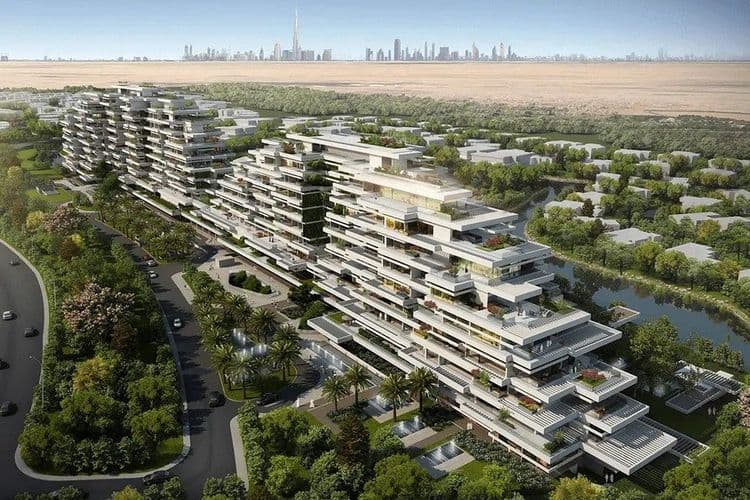
Myra Onyx specifically represents the kind of boutique mid-market product that suits this neighbourhood — not a mega-development, not a high-rise statement piece, but a considered residential offering from a developer building to a specific audience. The 2026 Q3 completion timeline means buyers purchasing now are looking at roughly a two-year hold before handover, which is a comfortable window for capital appreciation off the current entry price.
Living in Nadd Al Hamar
This is, without question, a family-first neighbourhood. Singles and young professionals tend to gravitate towards areas with more nightlife infrastructure, walkable retail, and metro access — Nadd Al Hamar offers none of those things in abundance, and it doesn't pretend to. What it does offer is a quality of daily life that's genuinely hard to find at this price point in Dubai.
The streets are wide. The traffic, outside of school-run windows, is manageable. There's a sense of permanence to the community — residents here tend to stay, which means the social fabric is more established than in newer master-planned communities where everyone arrived last year.
Our buyers who end up in Nadd Al Hamar typically fit one of two profiles. The first is the family with school-age children who want a ground-floor or low-rise home with outdoor space, and who've done the sums and realised they can get significantly more square footage here than in, say, Arabian Ranches or Damac Hills for the same budget. The second is the long-term Dubai resident — often 10-plus years in the city — who's done the Marina phase, done the Downtown phase, and now wants somewhere that actually feels like a home rather than a hotel.
Dining and retail within the immediate neighbourhood is functional rather than fashionable. You're not walking to a brunch spot on a Friday morning. But Mirdif City Centre is a short drive, and the broader Mirdif and Al Qusais corridors offer a dense network of supermarkets, casual dining, and everyday services. The trade-off is real: you sacrifice convenience for calm, and most of our buyers in this area have made that trade consciously and happily.
Parks and open green space are present, though not to the standard of a master-planned community with a dedicated parks budget. The area's low-rise character means natural light and outdoor access at the villa and townhouse level, which counts for a lot with families.
Schools, healthcare & retail
Schools within reach:
- Mirdif Private School — one of the longer-established community schools in the eastern corridor
- GEMS Royal Dubai School (Mirdif) — British curriculum, popular with expat families
- Pristine Private School (Al Warqa) — within a short drive
- Several MOE public schools serving UAE national families in the immediate area
Healthcare:
- Rashid Hospital is accessible via Al Khail Road — a major public hospital with specialist facilities
- Multiple private clinics and general practice centres in the Mirdif and Al Qusais areas
- Aster and NMC clinic networks have branches within a 10–15 minute drive
Retail & daily needs:
- Mirdif City Centre — the anchor retail destination for this corridor, roughly 10 minutes away, with a full supermarket, cinema, and department stores
- Al Qusais and Rashidiya areas offer dense neighbourhood retail: supermarkets, pharmacies, casual dining
- Local convenience stores and smaller supermarkets within the immediate neighbourhood for daily essentials
Recreation:
- Mushrif Park is one of Dubai's larger public parks and sits within easy reach — a genuine asset for families
- Community mosques and local sports courts are present throughout the district
Getting around
Connectivity in Nadd Al Hamar is road-dependent — there's no metro station within walking distance, and that's a genuine limitation worth stating plainly rather than glossing over.
That said, the road network is solid. Al Khail Road and Sheikh Mohammed Bin Zayed Road are both accessible within a few minutes, which opens up the city reasonably well. From Nadd Al Hamar, you're looking at approximately 20–25 minutes to Downtown Dubai and the Burj Khalifa under normal conditions, 25–30 minutes to DIFC, and around 30–35 minutes to Dubai Marina. Dubai International Airport (DXB) is one of the closer major destinations — roughly 15–20 minutes — which is a genuine advantage for frequent travellers and is often underappreciated when buyers are comparing this area against western corridors. Al Maktoum International (DWC) is a longer haul, typically 45–55 minutes.
The school run is manageable. Several well-regarded schools in the Mirdif and Rashidiya catchment are within 10–15 minutes, and the roads serving them, while busy at peak times, don't suffer the gridlock you'd encounter on the Sheikh Zayed Road corridor.
For residents who rely on public transport, the nearest metro stations are on the Green Line — Rashidiya and Airport Terminal 3 are the closest reference points, reachable by car or taxi in under 10 minutes. It's not a walkable metro connection, but it's not an impossible one either. Our honest assessment: connectivity here is genuinely decent for car-owning families, and a real constraint for anyone who depends on public transit.
Investment outlook
Nadd Al Hamar sits in the mid-market band where, historically, Dubai's most reliable rental yields have been generated. Prime areas — Downtown, Palm Jumeirah, DIFC-adjacent — typically deliver gross yields in the 5–7% range, compressed by high entry prices. Mid-market districts like Nadd Al Hamar, where purchase prices are lower and rental demand from families is steady, tend to produce yields in the 7–9% gross range, sometimes nudging higher for well-configured units.
The rental demand here is driven by the same end-user profile that buys: families, long-term residents, and professionals working in the eastern and central employment corridors who want space without the premium of Mirdif's more established streets. That demand is consistent rather than speculative, which matters for investors who want occupancy rather than vacancy.
Resale liquidity is the honest caveat. Nadd Al Hamar doesn't have the transaction volume of JVC, Dubai Hills, or Business Bay. The secondary market is thinner, which means exits can take longer and require more patience on pricing. This isn't an area where you'll flip a unit in 60 days. It's an area where you hold, collect rent, and sell to another end-user when the time is right.
Capital appreciation has been steady rather than spectacular. The area hasn't seen the sharp run-ups that prime waterfront or branded-residence product has delivered in the 2022–2024 cycle, but it also hasn't seen the corrections. With Myra Onyx delivering in Q3 2026 as the only active project in our catalogue, there's no meaningful supply overhang to worry about.
Our editorial line: bullish, with patience required. Nadd Al Hamar rewards investors who think in three-to-five year horizons — the yield is real, the supply is constrained, and the area's relative affordability gives it room to close the gap with its better-known neighbours.
Frequently asked questions about Nadd Al Hamar
Who are the main developers active in Nadd Al Hamar?
The area is still developing, which means boutique developers are leading the charge rather than the big-name master developers. Myra Properties is the most active project in our current catalogue, with their Myra Onyx development. We're tracking a handful of other smaller developers entering the area, but supply remains tight — which is actually a positive signal for buyers looking at long-term value retention.
What rental yields can I expect in Nadd Al Hamar?
Our landlord clients in Nadd Al Hamar are achieving gross rental yields in the range of 6–7.5%, which compares favourably with more saturated communities. Demand comes primarily from families and professionals working in Deira, Al Quoz, and the airport free zones. Smaller 1- and 2-bedroom units tend to lease fastest, often within 2–3 weeks of listing in our experience, keeping void periods low.
What is the commute like from Nadd Al Hamar to DIFC, Dubai Marina, and DXB?
Nadd Al Hamar sits close to Al Khail Road and Sheikh Mohammed Bin Zayed Road, which makes driving times manageable. Expect roughly 15–20 minutes to DXB, 25–30 minutes to DIFC, and 35–45 minutes to Dubai Marina outside peak hours. There's no metro station directly in the community yet, so most of our buyers here are car-dependent — something to factor in if you rely on public transport.
What schools and amenities are near Nadd Al Hamar?
Families we work with in Nadd Al Hamar typically look at Deira International School and GEMS Royal Dubai School in Mirdif, both within a 10–15 minute drive. For day-to-day needs, Mirdif City Centre is about 10 minutes away and covers most retail and dining requirements. The community itself is quieter and more residential in character, which many of our buyers — especially those with young children — actually prefer.
Is Nadd Al Hamar suitable for end-users or mainly investors?
Honestly, we see a strong mix of both. End-users are drawn to the low-density feel, proximity to schools, and relatively spacious layouts compared to what the same budget gets you in busier districts. Investors like the entry price point and the yield story. Projects like Myra Onyx are designed with owner-occupiers in mind — quality finishes, practical layouts — but the numbers stack up for buy-to-let buyers too, making it a genuinely flexible proposition.
Get the Nadd Al Hamar market brief
Live listings, off-plan launches, recent transactions and rental yields — direct from our advisors. No inflated commissions, no spam. One business-day reply.