Oman
Dubai community · 0 off-plan projects
About Oman
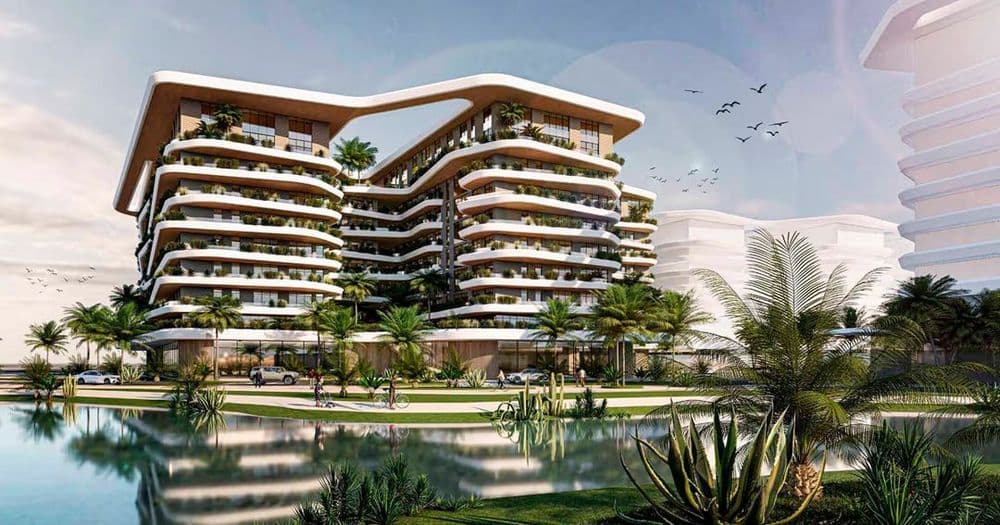
Oman is not Dubai — and that's precisely the point. The Sultanate sits at the south-eastern tip of the Arabian Peninsula, offering a quieter, more considered pace of life alongside some of the Gulf's most dramatic coastline and mountain scenery. For buyers priced out of Dubai's top tier, or investors looking to diversify across the GCC, Oman is increasingly hard to ignore. Our current catalogue features Oceana at Aida by DarGlobal, a project that signals exactly where the market is heading: internationally backed, coastal, and built for a buyer who wants something different.
Market overview
Oman's residential property market has spent the better part of a decade finding its footing. What's changed recently is the quality of the developers now committing capital here. DarGlobal — the international development arm with a track record spanning London, Marbella, and Muscat — choosing Oman for Oceana at Aida is a meaningful signal. One project in our active catalogue doesn't tell the whole story of the market, but it does tell you something about where serious money is looking.
The Omani government's Integrated Tourism Complexes (ITCs) framework allows foreign nationals to purchase freehold property in designated zones. That policy shift, introduced years ago but only recently gaining real traction, is the structural reason international developers are now spec-building here at scale. Aida, the master-planned coastal community near Muscat where Oceana sits, is one of those designated zones.
Price per square foot in Oman's premium coastal developments runs materially below comparable product in Dubai. That gap is real and, in our view, unlikely to close quickly — which is both the opportunity and the risk. Buyers get more space, more view, and more exclusivity per dirham than they would in, say, Dubai Marina or Palm Jumeirah. The trade-off is a thinner resale market and a longer horizon to liquidity.
In our experience, the buyers who do well in emerging GCC markets are those who enter early, hold through the infrastructure build-out phase, and exit once the lifestyle amenities — beach clubs, marinas, retail — are fully operational. Oceana at Aida sits squarely in that early-to-mid phase right now.
Supply in Oman's premium freehold segment remains genuinely constrained compared to Dubai. There are far fewer active launches, fewer competing towers, and less speculative flipping. For investors who find Dubai's off-plan market too crowded, that scarcity has real appeal. The flip side: fewer comparable transactions means pricing is harder to benchmark, and due diligence matters more, not less.
Living in Oman
Oman has a character that the UAE simply doesn't replicate. The pace is slower, the landscape is extraordinary — think red-rock wadis, empty beaches, and a capital city that has deliberately avoided the race to build the tallest or the flashiest. Muscat is clean, safe, and genuinely liveable in a way that surprises first-time visitors.
The buyer profile we see gravitating toward Oman property is distinct from the typical Dubai investor. These are people who've already done Dubai. They want a second home with a beach, a place to decompress, or a retirement-horizon asset in a politically stable country. Families drawn to Oman often cite the lower cost of living, the quality of outdoor life, and the absence of the relentless pace that defines Dubai.
Oceana at Aida is positioned as a coastal resort community, which shapes the lifestyle proposition entirely. You're buying into a beach-fronting development with the Hajar Mountains as a backdrop — a combination that's genuinely rare in the Gulf. The Aida master-plan is designed around that natural setting rather than fighting it, which we think is one of the cleaner planning philosophies in the region.
Dining and retail in Oman skew toward local and regional rather than the global-chain saturation you find in Dubai. That's a feature for some buyers, a friction point for others. Muscat's restaurant scene has improved considerably, and the Old Muscat / Muttrah area offers a cultural depth that newer Gulf cities can't manufacture.
This is not a neighbourhood for someone who needs a 24-hour city. It's for the buyer who actively wants to step off that treadmill — and is willing to pay a premium for the privilege of doing so in a setting this beautiful.
Schools, healthcare & retail
Amenities in the Aida coastal zone are largely resort-integrated, with the broader Muscat metropolitan area serving as the primary catchment for everyday needs.
Healthcare:
- The Royal Hospital, Muscat — one of Oman's principal public medical facilities
- Muscat Private Hospital and a number of international-standard private clinics in the capital
- For residents in the Aida area, Muscat's private healthcare network is the practical option
Education:
- British School Muscat — well-regarded, British curriculum
- American British Academy, Muscat
- Several Indian curriculum schools serving the large expat community
- School-run logistics from a coastal resort community will involve a commute into Muscat; families should factor this in honestly
Retail & daily living:
- Muscat City Centre and Avenues Mall serve as the main retail anchors for the capital
- Local souqs in Muttrah for fresh produce and everyday goods
- The Aida master-plan itself is expected to include resort-level retail and F&B, though buyers should verify the current delivery status directly with DarGlobal
For full-time family living, the distance from central Muscat's amenities is a genuine consideration. For holiday-home or part-time residents, the resort setting more than compensates.
Getting around
Muscat International Airport (MCT) connects Oman to the major Gulf hubs and a growing number of European destinations directly. Oman Air and budget carriers serve the route well. From Dubai, the drive to Muscat via the E611 takes roughly 4.5 to 5 hours depending on border crossing times at Al Ain / Hili — a realistic weekend-trip distance for UAE-based second-home buyers.
The Aida development sits along the coastal road south of Muscat, putting it within a manageable drive of the capital's amenities while maintaining the sense of separation that resort living requires. Internal connectivity within Oman relies almost entirely on private vehicles; there is no metro system, and public transport is limited. For full-time residents, a car is non-negotiable.
For international investors flying in to check on their asset or spend a holiday, the airport proximity is genuinely convenient. Muscat airport is modern and efficient — far less congested than DXB on a busy Friday afternoon. That ease of arrival matters more than people give it credit for when assessing a second-home market.
Connectivity here is honest rather than paper-strong: good for a resort destination, limited for anyone expecting urban infrastructure. Set expectations accordingly.
Investment outlook
Oman sits in an interesting position in the GCC investment hierarchy. It's not trying to compete with Dubai on transaction volume or yield velocity. What it offers instead is a lower entry price, a genuine scarcity of quality freehold product, and a government that has been methodically improving the foreign ownership framework over the past several years.
Rental yields in Oman's premium coastal segment are harder to benchmark than in Dubai, simply because the market is thinner. Comparable resort-residential markets in the Gulf and wider MENA region typically deliver gross yields in the 5–7% range when the development is mature and the rental management infrastructure is in place. Oceana at Aida, as a DarGlobal project, is likely to come with a managed rental programme — which matters enormously in a market where self-managing a holiday let from abroad is impractical.
Capital appreciation in Oman has historically been modest and slow-moving. That's changing as the ITC framework matures and as developers of DarGlobal's calibre bring product to market that can genuinely compete on quality with Dubai's mid-to-upper tier. Early movers in the Aida master-plan have the clearest path to appreciation as the surrounding infrastructure completes.
The risks are real and worth naming plainly. Resale liquidity is lower than Dubai. The buyer pool for a resale in Oman is narrower. Currency is pegged to the USD (as is the AED), so there's no FX risk between the two markets for UAE-based investors. Omani property is not a short-flip play — the transaction costs and the market depth don't support it.
Our editorial line: cautiously bullish, with a medium-to-long hold horizon. The DarGlobal involvement at Aida is a genuine quality signal, and the coastal freehold supply in Oman is structurally limited — that combination tends to reward patient capital.
Frequently asked questions about Oman
Is Oman a good real estate investment in 2025–2026?
We think Oman is one of the most underrated markets in the Gulf right now. The government's Vision 2040 plan is actively driving tourism and foreign ownership reforms, and Integrated Tourism Complexes (ITCs) let non-Omani buyers hold freehold title. Entry prices are still well below Dubai comparables, which means our buyers are getting in before the wider market catches on. With Muscat airport expanding and airlift growing, the demand story looks solid heading into 2026.
What is the typical price per sqft for branded residences in Oman?
At projects like Oceana at Aida by DarGlobal, our buyers are currently seeing prices in the range of OMR 500–900 per sqm (roughly AED 480–860 per sqft), depending on unit type and sea view. That's a meaningful discount to comparable beachfront branded product in Dubai or the Maldives. Prices have been moving upward as the project progresses through construction milestones, so early-stage buyers have historically seen the best entry points.
Who are the main developers active in Oman right now?
DarGlobal is the name we're most active with — their Aida masterplan on the Muscat coastline is the flagship project in our catalogue. Beyond DarGlobal, Omran Group (the government's tourism development arm) and Muriya (an Orascom joint venture) are the other major players shaping the ITC landscape. We recommend sticking with developers who have a proven delivery track record in the region, which is why DarGlobal sits at the top of our shortlist.
What rental yields can I expect from a property in Oman?
Gross rental yields in Oman's established ITC communities typically sit between 5–8% annually, with beachfront and branded units at the higher end when managed through a hotel operator. Oceana at Aida benefits from a hospitality management component, which means owners can plug into a short-term rental pool without the hassle of self-managing. In our experience, buyers who opt into the rental programme from day one tend to see the strongest early returns.
Can foreigners own property in Oman freehold?
Yes — and this is a question we get constantly. Non-Omani nationals can purchase freehold property within designated Integrated Tourism Complexes (ITCs), which is exactly where Oceana at Aida sits. Ownership comes with a residency permit for the buyer and immediate family, provided the property value meets the minimum threshold (currently OMR 500,000 for a 10-year residency). The legal process is straightforward, and we work with local conveyancing partners to guide our buyers through every step.
What is the commute or travel time from Muscat to Dubai?
Muscat is just 1 hour 15 minutes by direct flight from Dubai, with multiple daily services on flydubai, Air Arabia, and Oman Air. For our Dubai-based buyers, Oman works brilliantly as a second-home or holiday-home play — close enough for a long weekend, far enough to feel like a genuine escape. The Aida development is approximately 45 minutes from Muscat International Airport, sitting along the scenic coastal highway toward Yiti.
What lifestyle and amenities does the Aida community offer?
Aida is a full masterplan community spread across a dramatic clifftop site overlooking the Gulf of Oman. Residents at Oceana have access to a private beach, multiple pools, a golf course designed by Greg Norman, and a retail and dining promenade. The surrounding area is genuinely unspoiled — think rugged mountains, clear water, and very little of the urban density you'd find in Dubai. For buyers who want space, nature, and privacy, this is a genuinely different proposition.
Get the Oman market brief
Live listings, off-plan launches, recent transactions and rental yields — direct from our advisors. No inflated commissions, no spam. One business-day reply.