

Al Maktoum Airport expansion: which southern Dubai communities to watch
Dubai's $35bn Al Maktoum Airport expansion is reshaping the southern corridor. Here are the communities investors should assess before prices reflect the infrastructure.
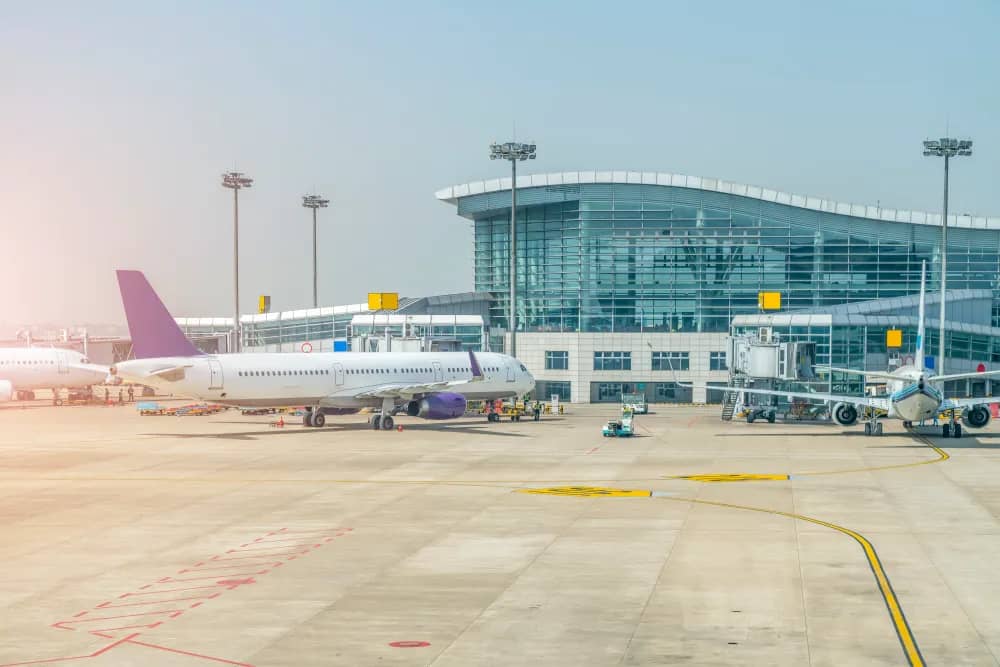
How DXB rewired property values around it
Dubai International Airport's growth over the past two decades provides a useful reference point for what large-scale aviation infrastructure does to surrounding real estate. Deira, once considered a purely commercial district with ageing stock, saw sustained rental and capital growth as the airport became a global hub. Festival City, a master-planned community positioned directly on the DXB flight path corridor, was largely dismissed by early buyers, yet delivered significant appreciation as connectivity drove occupier demand from airline crews, logistics professionals, and multinationals.
The mechanism is consistent: a major airport creates jobs in aviation, freight, hospitality, and support services. Workers need housing. Developers respond. Land values rise, first in the immediate periphery and then in connected communities. That sequence took roughly a decade around DXB. Investors who identified the pattern early and bought before planning approvals became visible made the strongest returns. The Al Maktoum expansion is now rerunning the same script, this time along Dubai's southern corridor.
The scale of the Al Maktoum project in numbers
The expansion of Al Maktoum International Airport carries a projected cost of $35 billion and is designed to give the facility a capacity of 260 million passengers per year at full build-out, making it the largest airport in the world by that measure when complete. The project includes five runways and over 400 aircraft gates. For context, Dubai International currently handles roughly 87 million passengers annually, and that volume alone supports an enormous employment and real estate ecosystem across Deira, Al Garhoud, and the broader eastern corridor.
Construction phasing means activity around Al Maktoum will intensify progressively over the next decade, but developer pricing in nearby communities rarely waits for a project to finish. Infrastructure milestones, government announcements, and planning approvals each act as price triggers. Buyers who benchmark against current asking prices rather than future-state comparables are operating with the most accurate picture of remaining entry opportunity in the Dubai property market.
Southern corridor communities that deserve attention now
Al Furjan sits approximately 15 to 20 minutes from Al Maktoum Airport and already has direct metro access via the Route 2020 extension. Average apartment prices here remain materially below comparable communities in the northern corridor, with two-bedroom units trading in a range that many mid-level aviation professionals and logistics managers can access without requiring institutional financing. The community has a functioning retail spine, schools, and an established rental market, meaning investors are not buying into a speculative land play but a community with existing occupier demand.
DAMAC Hills is further north of the airport zone but still benefits from the southern corridor's infrastructure narrative. DAMAC Properties has built out significant product volume in this district, which keeps entry prices competitive. Villa inventory here is typically priced below comparable product in Arabian Ranches or Dubai Hills Estate, while offering broadly similar amenity levels. For buyers tracking value gaps, that differential is worth understanding before it narrows.
Town Square, Mudon, and Villanova occupy the band between Al Furjan and the airport perimeter. These master-planned villa communities were designed at a density and price point aimed at owner-occupiers rather than short-term rental investors. That profile tends to produce stable occupancy, which is precisely what airport-adjacent employers look for when relocating staff. Investors should also look at Dubai Silicon Oasis for its technology and free zone positioning, which complements the logistics economy that a mega airport generates.
Off-plan positioning along the Dubai southern corridor
Several developers have already launched off-plan projects targeting the southern corridor specifically. Buyers considering this route should verify the developer's track record on delivery timelines, review the payment plan structure carefully, and confirm that the project sits within a master-planned zone with confirmed infrastructure commitments rather than a standalone site dependent on future road and utility connections. The difference between a well-positioned off-plan asset and a speculative one often comes down to those details rather than the marketing material.
From a financial structuring standpoint, understanding how to buy property in Dubai matters more in emerging zones than in established ones. DLD transfer fees, service charge obligations, and post-handover payment plan terms can all affect net yield and total acquisition cost in ways that are not always visible in headline per-square-foot pricing. Running those numbers before committing, not after, is standard practice among buyers who have done this before.
Golden visa eligibility and its relevance to southern investments
A property purchase of AED 2 million or more qualifies the buyer for a UAE Golden Visa through Dubai property, providing a 10-year renewable residency. This threshold is achievable across multiple southern corridor communities, particularly at the villa level in Town Square, Mudon, and Al Furjan. For international investors, the visa adds a tangible, non-speculative dimension to the investment beyond rental yield and capital appreciation. It converts a financial asset into a residency pathway.
The Golden Visa's relevance to the airport story is also structural. As Al Maktoum attracts multinationals and logistics operators, senior employees will seek residency pathways. Property ownership in qualifying communities gives them that route. This creates a demand dynamic that reinforces rental occupancy and reduces void periods for investors holding qualifying-threshold assets near the airport corridor.
What to verify before buying in an infrastructure-driven market
Infrastructure-driven investment narratives are compelling, but the timeline between announcement and delivery creates a window in which buyers can overpay if they are not careful. For any southern corridor acquisition, verify the master plan zoning for the specific plot, check whether road and metro connectivity timelines are confirmed by RTA or government decree rather than developer marketing, and model your yield on current achievable rents rather than projected future demand. Conservative inputs produce defensible investment cases.
Service charges in newer communities can be significant and are often underweighted in buyer calculations. Use a service charge calculator to baseline your net yield before signing anything. Communities like Al Furjan and DAMAC Hills have established RERA-registered service charge histories available for review, which gives buyers a reliable cost input rather than a developer estimate.
If you are comparing southern corridor assets against established alternatives like Dubai Marina or Dubai Hills Estate, the analysis should account for both current yield differences and the realistic capital appreciation timeline in each location. Established communities offer liquidity and lower execution risk. Emerging corridor communities offer a wider potential spread but require a longer hold to capture it.
Frequently asked questions
Which communities are closest to Al Maktoum International Airport?
Al Furjan, Jumeirah Village Circle, Town Square, Mudon, and Villanova are among the nearest established residential communities. Al Furjan has the added advantage of Route 2020 metro access, which connects it to the broader Dubai network.
Is it too early to invest near Al Maktoum Airport given the long construction timeline?
Infrastructure projects of this scale typically trigger property price movement well before completion. The DXB precedent shows that communities within a viable commute radius begin pricing in the airport effect at planning and early construction stages. Waiting for the airport to open before buying historically means missing the most significant value appreciation.
Can I get a Golden Visa by buying a property near Al Maktoum Airport?
Yes, provided the purchase price is AED 2 million or above and the property is freehold. Several villa and larger apartment options in Al Furjan and DAMAC Hills meet this threshold. The visa grants 10-year renewable residency and covers dependants.
What is the difference between buying off-plan and ready property in the southern corridor?
Off-plan purchases in the southern corridor typically offer lower entry prices and phased payment plans, but carry delivery risk and require due diligence on the developer and infrastructure commitments. Ready property provides immediate rental income and confirmed specifications, but at a higher acquisition cost. The right choice depends on your hold period and liquidity requirements.
How do I assess whether a southern corridor community is genuinely undervalued?
Compare the price-per-square-foot of completed, occupied units in the target community against comparable-quality stock in established northern corridor communities, then adjust for connectivity, amenity quality, and current rental yields. A persistent discount that is not explained by a structural deficiency in the community itself is the signal worth investigating.
More Investment posts
 Investment
Villa renovation vs buying new in Dubai: which pays off?
Some Dubai villa owners are spending up to $5.4m on renovations. We break down whether upgrading delivers better ROI than buying off-plan or resale.
By Roy El Baba Investment
Sheikh Zayed Road redevelopment: what it means for investors
The Toyota Building's demolition signals a broader redevelopment wave on Sheikh Zayed Road. Here is what plot clearances along prime corridors mean for land values and off-plan launches.
By Roy El Baba Investment
Why Indian investors keep choosing Dubai real estate
Indian nationals are Dubai's largest foreign buyer group. Here's what drives that demand and how NRIs can buy freehold property step by step.
By Roy El Baba Investment
ELLE residences on Dubai Islands: what branded living costs you
ELLE's entry into Dubai real estate signals how fashion brands are reshaping the branded residence market. Here's what the premium actually buys you.
By Roy El Baba