
What a stabilizing Dubai property market means for buyers in 2025
Price growth in Dubai real estate is moderating. Here is what that shift means for your purchasing power and which communities still offer genuine upside.
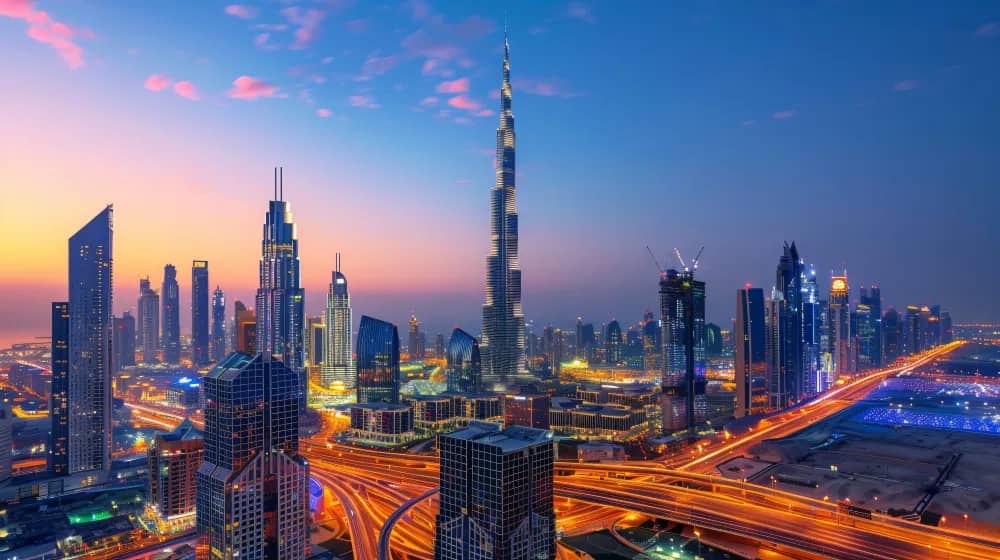
What stabilization actually looks like in Dubai real estate
Stabilization is not a synonym for decline. In the context of the Dubai property market, it means the annual price growth rate is compressing from the extreme double-digit figures recorded between 2021 and 2023 into a range that is more consistent with long-term fundamentals. Transaction volumes remain robust, mortgage activity is expanding, and developer launches continue to attract strong reservation numbers. The pace has simply become more measured.
For context, Dubai recorded over 180,000 real estate transactions in 2023, a record at the time, and 2024 figures tracked at a similarly elevated level. When analysts describe the market as 'settling,' they are referring to year-on-year price appreciation rates that are trending toward the 5 to 8 percent range rather than the 15 to 20 percent spikes seen in peak years. That is not a warning signal; it is a maturing market behaving like one.
Why moderating prices improve buyer positioning
Rapid price acceleration compresses the window between intent and commitment. When values rise weekly, buyers feel forced into decisions without adequate due diligence. A stabilizing market restores negotiating room, particularly for ready properties. Sellers who listed at peak expectations are beginning to adjust, and that creates conditions where a well-prepared buyer can extract better terms on price, payment schedule, or included fixtures.
For investors looking at Dubai properties for sale, this shift is especially relevant. Gross rental yields in communities such as Jumeirah Village Circle and Jumeirah Lake Towers (JLT) have held above 6 percent even as capital values rose, which indicates that rental demand is genuinely absorbing supply rather than the market running on speculative momentum alone. When price growth moderates, yield metrics improve relative to entry cost, which is a straightforward improvement for income-focused buyers.
Off-plan strategy in a more measured market
The Dubai off-plan projects segment requires a distinct read in a stabilizing environment. During a rapid appreciation cycle, almost any off-plan purchase gains on paper before handover. When growth moderates, project selection and developer credibility become the differentiating factors. Buyers should prioritize developers with demonstrated delivery track records. Emaar Properties, Sobha Realty, and Aldar Properties each have publicly verifiable completion histories that can be checked against DLD records.
Payment structures also matter more now. Post-handover payment plans that extend three to five years beyond completion give investors flexibility that a flat-market environment makes particularly valuable. If resale at completion is less guaranteed to produce a flip premium, holding costs matter, and a lighter near-term payment schedule reduces exposure. Off plan in Dubai still offers genuine upside, but the selection calculus is sharper in 2025 than it was in 2022.
Communities that still carry meaningful upside
Dubai Creek Harbour is arguably the strongest infrastructure-driven growth story currently active in the city. The area is anchored by Emaar's master plan and the planned Dubai Creek Tower, with metro connectivity progressing and retail and hospitality completions adding genuine liveability. Comparable waterfront districts in established cities typically reprice significantly once that infrastructure matures, and Creek Harbour is still in the early stages of that cycle.
Dubai Hills Estate offers a different kind of upside: scarcity of land within a fully built-out community. The golf course configuration limits additional residential density, which structurally supports resale values over time. Villa supply in particular is constrained, and end-user demand from families with school-age children keeps rental occupancy high. Business Bay continues to benefit from proximity to Downtown at a meaningful price discount per square foot, with ongoing commercial infrastructure reinforcing its appeal to professionals who want walkability without Downtown Dubai pricing.
Buyers researching how to buy property in Dubai should factor community master plan maturity into their analysis. A community with delivered schools, functioning retail, and established transport links carries less execution risk than an earlier-stage district, and in a moderating market, execution risk becomes a more consequential variable. Read through the full buying guide before committing to any specific district.
The Golden Visa calculation for property buyers
The UAE's property-linked Golden Visa remains one of the most concrete structural drivers of sustained demand in Dubai real estate. A minimum investment of AED 2 million in a completed property qualifies the buyer for a 10-year renewable residency visa. That threshold is now achievable across a wider range of communities than it was three years ago, including mid-tier districts and larger apartment formats in established areas.
The residency benefit materially changes the buyer profile for this price segment. Buyers who might otherwise treat a Dubai purchase as a pure investment hold are now factoring in the residency optionality, which supports longer average hold periods and reduces the speculative churn that can exaggerate price cycles. For anyone evaluating this route, the UAE Golden Visa through Dubai property guide covers current eligibility criteria and the registration process in full detail.
What buyers should actually do right now
The practical implication of a stabilizing market is that urgency-driven decisions carry less justification than they did in 2022 or 2023. That does not mean waiting indefinitely; transaction data shows that well-positioned properties in high-demand communities still move quickly. It means buyers can now allocate the time to proper financial structuring, comparative analysis across two or three shortlisted communities, and a realistic assessment of total acquisition cost including DLD fees, agency fees, and applicable service charges. Use the service charge calculator to model annual holding costs before finalizing any unit.
A stabilizing market is not a market in distress. It is a market where preparation outperforms panic, and where buyers who have done the work on fundamentals, location, developer quality, and financing structure are positioned to make decisions they will not need to reverse. That is the environment serious investors should want to operate in.
Frequently asked questions
Is the Dubai property market dropping in 2025?
No. Stabilization refers to a moderation in the rate of price growth, not a price decline. Transaction volumes remain high and rental demand continues to support capital values across most communities.
Which areas in Dubai offer the best investment returns in 2025?
Communities with documented yield above 6 percent, including Jumeirah Village Circle and JLT, offer strong income returns. For capital growth, Dubai Creek Harbour and Dubai Hills Estate carry credible structural upside based on infrastructure delivery and supply constraints respectively.
How much do I need to invest to qualify for the UAE Golden Visa through property?
You need a minimum of AED 2 million in a completed, fully paid property registered in your name. Mortgaged properties do not qualify unless the equity portion meets the threshold. Full eligibility criteria are covered in the Golden Visa guide on our site.
Is off-plan property in Dubai still a good investment when growth is moderating?
It can be, but developer selection and project fundamentals matter more than they did during the high-appreciation years. Focus on developers with verifiable delivery records, post-handover payment flexibility, and locations with confirmed infrastructure investment.
What are the total costs of buying property in Dubai beyond the purchase price?
Buyers should budget approximately 4 percent for DLD transfer fees, 2 percent for agency commission, plus mortgage registration fees if applicable, and annual service charges that vary by community and unit type. The service charge calculator on our site can help you model the ongoing holding cost.
More Market Insights posts
 Market Insights
How geopolitical instability drives Dubai property demand
Regional conflict has repeatedly pushed capital toward Dubai. Here is what the current Middle East tensions mean for buyers and sellers in 2025.
By Roy El Baba Market Insights
What AED 9.53 billion in weekly sales says about Dubai property
Dubai recorded AED 9.53 billion in property transactions in a single week. Here is what that sustained momentum means for buyers and investors right now.
By Roy El Baba Market Insights
Emaar vs Azizi: what Dubai's $23.6bn sales split tells investors
Dubai developers posted $23.6bn in combined sales. The Emaar-vs-Azizi divide reveals two very different buyer pools, and two distinct investment cases.
By Roy El Baba Market Insights
Two buyers, one market: who is actually buying in Dubai right now
Dubai's 2026 developer sales hit $23.6bn. The Emaar-vs-Azizi split reveals two distinct buyer profiles shaping the market from opposite ends.
By Roy El Baba