
Latest projects by Sobha Realty
View all 2 projects →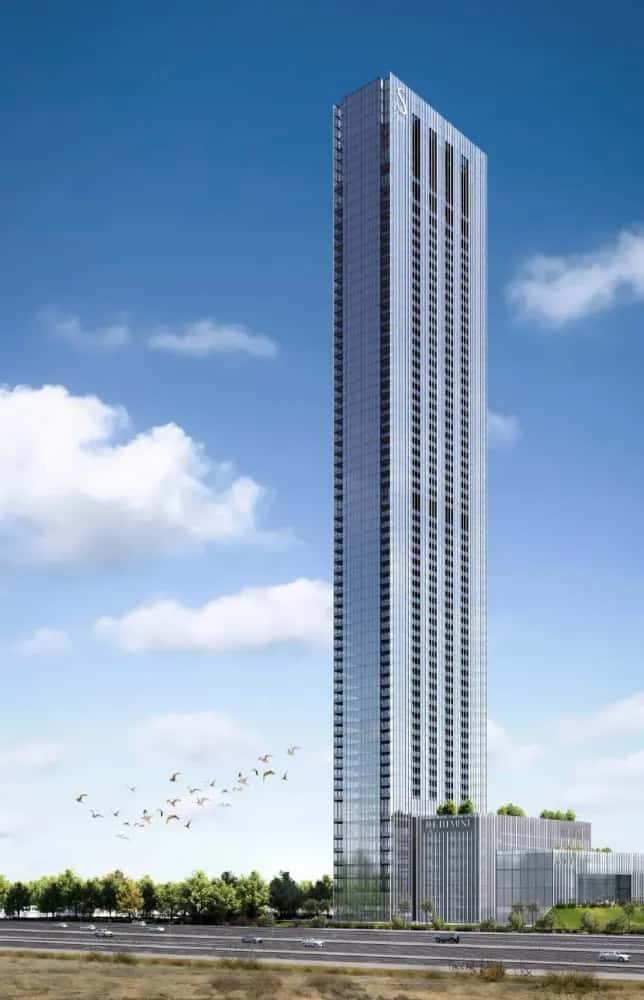 Off-planQ4 2029
About Sobha Realty
Sobha Realty is the Dubai arm of Sobha Limited, an Indian construction and real estate conglomerate founded in 1976. The group pivoted into UAE development in the early 2000s and has since become one of Dubai's most prolific master-plan operators. Under PNC Menon's leadership, Sobha has built a reputation for delivering large-scale, mixed-use communities rather than one-off towers.
What sets them apart is scale and consistency. They're not chasing trophy projects; they're building entire neighbourhoods. Sobha Hartland, their flagship master-plan in MBR City, alone spans hundreds of villas and apartments. Siniya Island in Umm Al Quwain, Sobha City in Al Bahiya, and their Motor City offerings show a developer willing to commit capital to long-cycle, infrastructure-heavy schemes.
Track record
We have 49 Sobha projects on our books—the largest portfolio for any single developer in our catalogue. That's not coincidence. It reflects both their output volume and the fact that their units move through resale and rental markets consistently enough to warrant ongoing inventory.
Key deliveries and near-term launches include Waves Grande (Sobha Hartland, 2023 Q1), The Hartland Villas (MBR City, 2021 Q3), and a pipeline of Hartland 2 towers—350 Riverside Crescent, 360 Riverside Crescent, and Skyscape (2027–2028). Sobha City's River Cove, The Orchard, and The Terraces are all pencilled for 2029 Q4.
In our experience, Sobha's delivery cadence is methodical rather than flashy. They don't often miss handover windows by years, but they're not early either. The design language across their master-plans is clean, suburban-inflected—think villa clusters with manicured landscaping, central parks, and retail strips. It's not cutting-edge, but it's proven to age well and hold value.
Why we list Sobha Realty projects
- Scale and depth: 49 active projects spanning Dubai and the Northern Emirates means our buyers have genuine choice within a single developer's ecosystem—from villa communities to high-rise apartments.
- Master-plan pedigree: Sobha Hartland and Sobha City are among the few truly planned communities in Dubai where infrastructure, retail, and amenities are built alongside residential. That reduces the risk of a half-finished neighbourhood.
- Resale liquidity: Sobha units, especially in Hartland and Motor City, trade hands regularly. We see them move within 3–6 months at realistic prices, which matters for investors thinking exit.
- Mid-market positioning: Sobha doesn't compete with Emaar or DAMAC on ultra-prime; they own the AED 1.5M–3.5M apartment and villa band, where demand is deepest.
- Rental yield consistency: Our landlords report 5–6% gross yields on Sobha apartments in Hartland and Motor City, in line with Dubai mid-market norms. Villas tend toward the lower end (4–5%) due to higher entry prices.
- Northern Emirates expansion: Siniya Island and Umm Al Quwain projects offer a different risk-return profile—lower entry prices, emerging infrastructure, longer hold horizons.
Investing with Sobha Realty
Sobha buyers tend to be end-users seeking space and community, or buy-to-rent investors hunting yield in the AED 1.5M–2.5M bracket. The developer's master-plans attract families and young professionals who value walkability and on-site amenities over postcode prestige.
Resale performance is steady. A 2-bed apartment in Sobha Hartland bought off-plan in 2018–2019 typically appreciates 15–25% by handover, then stabilises. Rental demand is consistent—schools, parks, and proximity to Downtown and Business Bay make Hartland especially popular with expat families. We've seen 1-bed units rent for AED 50K–60K annually; 2-beds for AED 70K–85K. That translates to gross yields of 5–6%, which is respectable for a mid-market, low-volatility asset.
Villas in Hartland 2 and Sobha City command higher entry prices (AED 2.5M–4.5M) but attract owner-occupiers more than investors. Resale is slower, but the pool of serious buyers is deep.
Northern Emirates projects (Siniya Island, Umm Al Quwain) are longer-term plays. Entry prices are lower, but infrastructure is still being built out. Rental yields can be higher (6–7%), but tenant quality and turnover are less predictable than in Dubai proper.
What we'd watch
Sobha's 2025–2027 pipeline is heavy on Hartland 2 towers and Sobha City apartments. Creek Vistas Grande (2025 Q3), Creek Vistas Heights (2026 Q2), and the 350/360 Riverside Crescent twins (2027 Q4) will test the market's appetite for mid-rise apartments in MBR City. If these deliver on time and at promised specs, Sobha's credibility for larger, longer-cycle projects will strengthen. One caution: Siniya Island and Umm Al Quwain projects have been on the books for years with no firm handover dates. If you're buying there, treat it as a 5–7 year hold, not a 2–3 year flip.
Where Sobha Realty builds
Frequently asked questions about Sobha Realty
Is Sobha Realty a reputable developer in Dubai?
Where does Sobha Realty build in Dubai?
Do Sobha Realty projects offer payment plans?
Can foreigners buy Sobha Realty properties?
When is the next Sobha Realty handover?
How do I buy a property from Sobha Realty?
Get the Sobha Realty project list
Latest availability, payment plans and floor plans — direct from our advisors. No inflated commissions, no spam. One business-day reply.