Off-planQ4 2029

Dubai community · 1 off-plan project
Ras Al Khor sits on the eastern edge of Dubai Creek, flanked by the city's most photographed flamingo sanctuary and a fast-maturing residential corridor that most buyers still overlook. That oversight is narrowing fast. The area splits into an industrial zone to the south and a genuinely liveable waterfront fringe to the north — and it's the latter that has started pulling serious investor attention. With Sobha One already planting its flag here, Ras Al Khor is the kind of district where early movers tend to look smart in hindsight. We think the window on that early-mover advantage is shorter than most people realise.
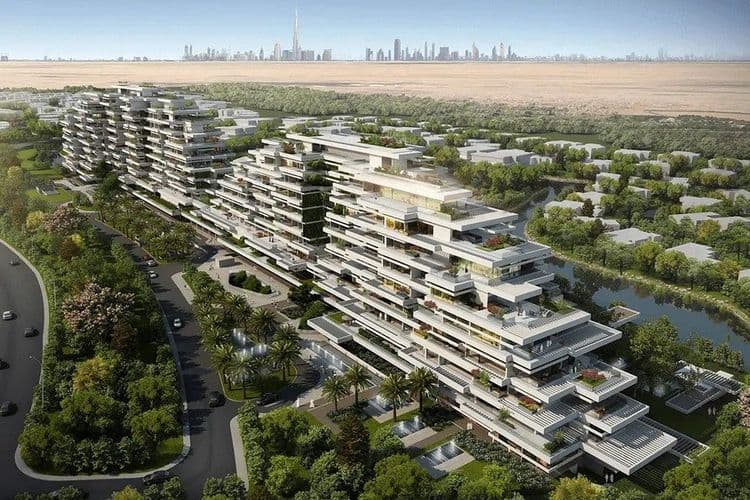
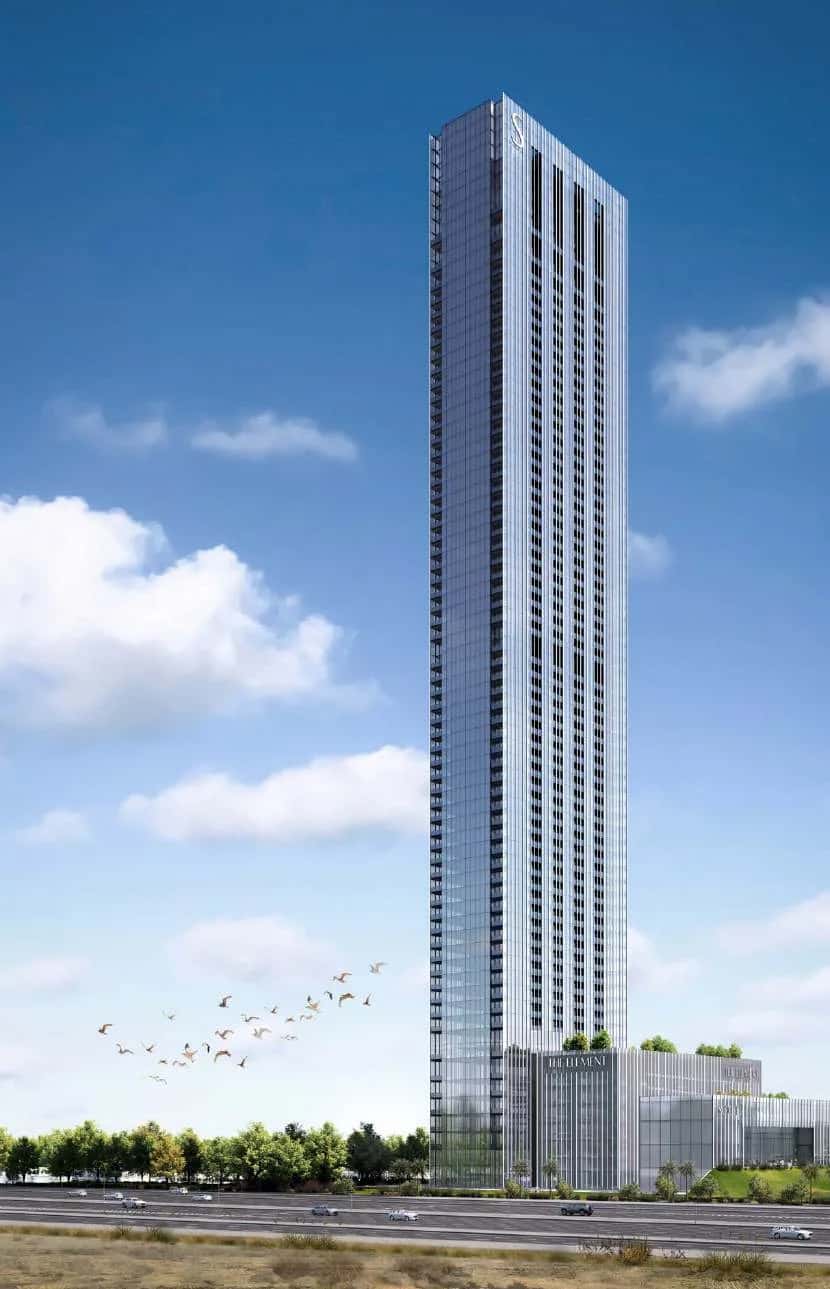
Our catalogue currently lists one active project in Ras Al Khor: Sobha One by Sobha Realty. That single data point tells you something useful — this is not yet a saturated sub-market. Supply is thin, which historically compresses resale stock and keeps secondary-market pricing firmer than areas where developers have flooded the zone with competing launches.
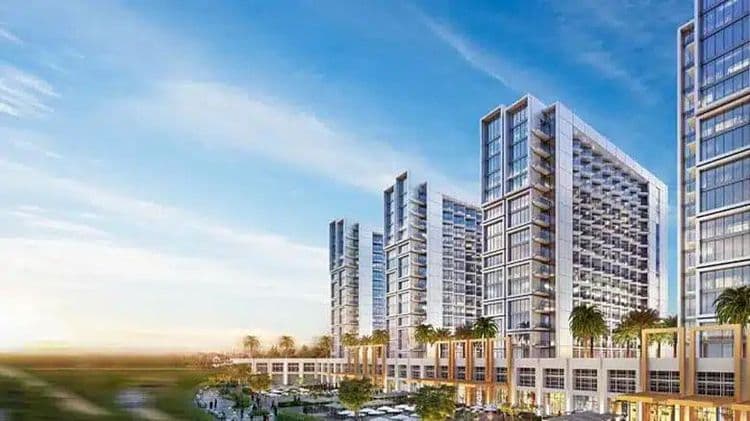
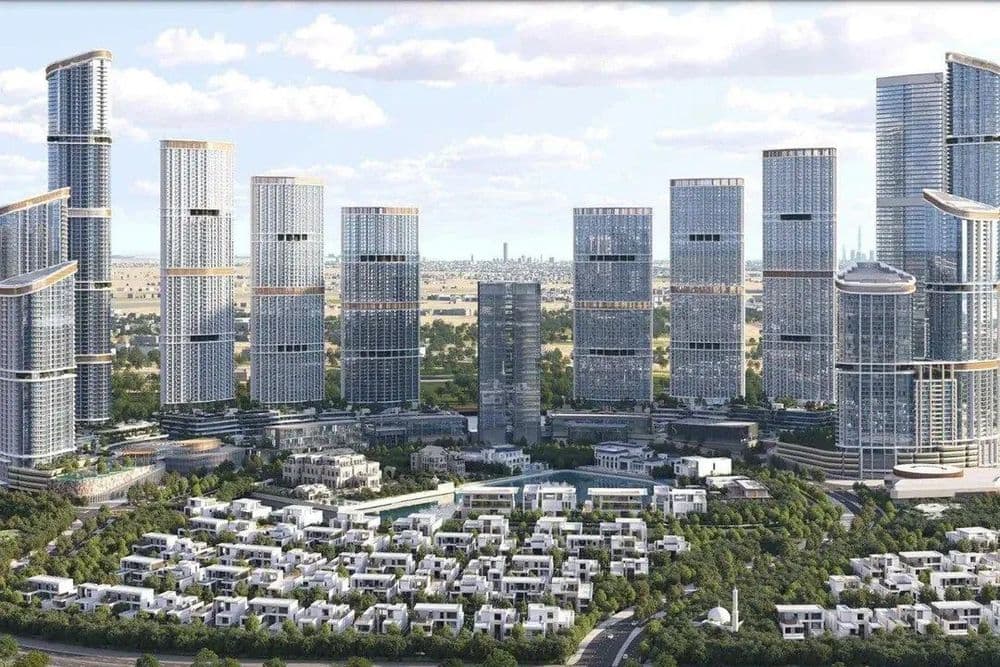
Sobha Realty is not a developer that cuts corners on specification, and Sobha One is a multi-tower mixed-use scheme positioned at the premium end of what Ras Al Khor can currently command. Pricing in the project reflects that — buyers are looking at figures broadly in line with established mid-to-upper-mid Dubai communities rather than the deep discounts you might expect from a less mature address.
More broadly, Ras Al Khor sits in an interesting price band for Dubai. It's not Downtown, and it doesn't pretend to be. But it's also not a peripheral play — the district is within 10 to 15 minutes of both DIFC and Dubai Festival City, which gives it a locational argument that many cheaper alternatives simply can't make. In our experience, buyers who do the drive-time maths on Ras Al Khor often come away more impressed than they expected.
The industrial designation of the southern portion of the area does weigh on perception, and we won't pretend otherwise. That said, the residential pocket around the wildlife sanctuary and the creek waterfront is genuinely distinct from the warehousing belt — the two zones don't feel like the same place once you're on the ground.
Price per square foot in the Sobha One development currently tracks in the range that reflects Sobha's brand premium and the waterfront-adjacent positioning. For buyers comparing on a pure per-sqft basis, there are cheaper options in Dubai. For buyers who want a Sobha-quality finish with creek and flamingo reserve views, there is essentially no comparable alternative in this corridor right now. That scarcity has a value, and our investors are increasingly pricing it in.
Ras Al Khor is not a neighbourhood that announces itself loudly. It doesn't have a high street, a marina promenade, or a cluster of rooftop bars. What it does have is something rarer in Dubai: genuine natural amenity right on the doorstep.
The Ras Al Khor Wildlife Sanctuary is a RAMSAR-listed wetland reserve where flamingos gather in numbers that still surprise first-time visitors. You can watch them from dedicated hides, free of charge, within minutes of the residential towers. For a city that sometimes feels entirely man-made, that's a meaningful differentiator.
The demographic skew here is towards families and professionals who prioritise space and calm over nightlife proximity. Our buyers in this corridor tend to be people who've already done a stint in Dubai Marina or JLT, found the density exhausting, and want more room without moving to the outer suburbs. Ras Al Khor delivers on that — apartment sizes in Sobha One are generous by Dubai standards, and the creek-facing outlook gives a sense of openness that you simply don't get in denser districts.
Dining and retail within Ras Al Khor itself is limited. That's the honest answer. Dubai Festival City Mall is roughly 10 minutes by car and covers most practical retail needs, from supermarkets to mid-range dining to a cinema. Residents who want a broader F&B scene will drive to Downtown or Deira — both are accessible without the kind of journey that makes you reconsider your life choices.
Walkability is low by any objective measure. This is a car-dependent address, and pedestrian infrastructure outside the sanctuary area is minimal. For buyers who walk to their coffee, Ras Al Khor will frustrate. For buyers who drive everywhere anyway — which describes the majority of Dubai residents — it's a non-issue.
Our honest editorial take: this is a family and serious-investor neighbourhood, not a singles scene.
Schools within reach
Healthcare
Retail & daily needs
The honest summary: Ras Al Khor doesn't have walkable retail, but it has good car-accessible options within a short drive. Festival City does the heavy lifting for most residents' weekly needs, and the proximity to Deira means a broader range of independent dining and grocery options is never far away.
Ras Al Khor sits along the Al Khail Road corridor, which is one of Dubai's more reliable arterials once you're past the morning pinch points near the interchange. Drive times from the residential northern fringe are roughly 15 minutes to DIFC, 20 minutes to Downtown Dubai and the Burj Khalifa, and around 25 to 30 minutes to Dubai Marina depending on traffic. Dubai International Airport (DXB) is genuinely close — 15 minutes on a clear run — which matters more than people acknowledge when you're choosing where to live.
DWC (Al Maktoum International) is a longer haul, typically 45 to 55 minutes, but that's true from most of central Dubai.
There is no metro station serving Ras Al Khor directly. The nearest Green Line stations are at Union and Al Qiyadah, both requiring a drive or taxi connection. For residents who rely on public transport, this is a real gap. The RTA bus network covers the area but isn't the kind of service that makes car-free living practical.
The school run is manageable. Several established schools in the Nad Al Hamar and Mirdif catchments are within 10 to 15 minutes, and the Festival City cluster adds further options.
Our read: connectivity here is genuinely good for drivers, and genuinely poor for non-drivers. If you own a car — or two — Ras Al Khor's road access is one of its underrated strengths. The Al Khail Road link means you can reach most of Dubai's employment centres without touching Sheikh Zayed Road, which is a meaningful quality-of-life advantage during peak hours.
Ras Al Khor is a mid-market-to-premium play depending on which product you're buying. Sobha One sits at the upper end of what the area currently supports, and Sobha's track record on delivery and finish quality means the resale case is stronger than it would be for a generic developer in the same location.
Rental yields in this corridor are broadly in the 6 to 8% gross range for well-specified apartments, which puts Ras Al Khor in the mid-market yield band rather than the compressed prime-area band (where yields often fall to 4 to 5% as capital values run ahead of rents). That's an attractive position for buy-to-let investors who want income rather than just capital appreciation.
The tenant pool skews towards professionals working in DIFC, the healthcare cluster around Al Rashidiya, and the logistics and trade businesses that operate in and around the broader Ras Al Khor industrial zone. Demand from that last group is often underestimated — warehouse managers, operations directors, and logistics professionals are a real and consistent tenant base in this part of Dubai.
Capital appreciation in Ras Al Khor has historically lagged the headline Dubai numbers, partly because the area lacks the marketing profile of communities like Dubai Hills or Creek Harbour. That's changing. The flamingo sanctuary has become a genuine social-media draw, the Sobha One launch has put the postcode on more buyers' shortlists, and the broader eastward expansion of Dubai's residential gravity is working in the area's favour.
Resale liquidity is currently thin — one active project means a limited secondary market. That cuts both ways: less competition when you're selling, but also fewer comparable transactions to anchor your asking price.
Our editorial line: bullish, with patience required. Ras Al Khor is not a flip market — it rewards investors who can hold three to five years and let the infrastructure and perception catch up with the fundamentals.
We think Ras Al Khor is genuinely underrated. It sits at the crossroads of Ras Al Khor Road and Al Ain Road, giving it strong connectivity that industrial and logistics tenants pay a premium for. As Dubai's urban core pushes eastward, land values here have been climbing steadily. Our buyers who picked up warehouse and light-industrial units in the last two years are already seeing capital appreciation of around 10–15%. For patient investors, the fundamentals are solid.
Pricing varies a lot by asset class here. Residential units in Ras Al Khor Residential (the community pocket near the wildlife sanctuary) typically trade between AED 700–950 per sqft. Industrial and warehouse space is priced differently — expect AED 250–450 per sqft depending on plot size, power load, and proximity to the main arterials. We always recommend a fresh valuation before committing, as the market has moved quickly over the past 18 months.
In our experience, industrial and warehousing assets in Ras Al Khor Industrial Area deliver some of the strongest yields in Dubai — typically 8–11% gross — because demand from logistics, e-commerce, and manufacturing tenants consistently outpaces supply. Residential yields in the smaller housing clusters run closer to 5–7%. Vacancy rates for well-maintained warehouse units are very low, often under 5%, which keeps income streams predictable for our landlord clients.
Ras Al Khor is primarily a government-planned industrial and mixed-use zone, so large master developers like Emaar are not the main players here. Most transactions involve JAFZA-registered operators, private landowners, and SME investors buying or leasing directly. Dubai Municipality and Dubai Industrial City guidelines shape what gets built. We currently have no active off-plan projects in our catalogue for this area, but we can connect you with the right industrial brokers and legal advisors.
Location is one of Ras Al Khor's biggest selling points. Dubai International Airport (DXB) is roughly 10–15 minutes by car. DIFC is about 20 minutes via Al Khail Road, and Dubai Marina is around 30–35 minutes depending on traffic. The area lacks a Metro station directly, so most residents and workers drive. That said, the road network — Al Ain Road, Ras Al Khor Road, and Al Khail Road — makes multi-directional access genuinely easy.
The Ras Al Khor Wildlife Sanctuary is a protected wetland reserve and flamingo habitat sitting right inside the city — one of the few urban wildlife reserves in the world. Far from hurting values, proximity to the sanctuary is a selling point for residential buyers who want green space and low-density surroundings. Properties facing the reserve command a small premium. The sanctuary is free to visit and managed by Dubai Municipality, with dedicated bird-watching hides open to the public.
The area is primarily industrial, so amenities within Ras Al Khor itself are limited. However, Mirdif and Al Quoz are both within a 10–15 minute drive, giving residents access to supermarkets, clinics, and dining. For schools, Mirdif has several well-regarded options including Uptown School and GEMS Royal Dubai School. Our buyers with families typically treat Ras Al Khor as a value-priced base with easy reach to more established residential neighbourhoods for daily needs.
Live listings, off-plan launches, recent transactions and rental yields — direct from our advisors. No inflated commissions, no spam. One business-day reply.