

Dubai South and Emaar South: the buy-before-the-boom case
Al Maktoum International's AED 128bn expansion is reshaping southern Dubai. Here's where to buy, at what price, and why the window is narrowing.
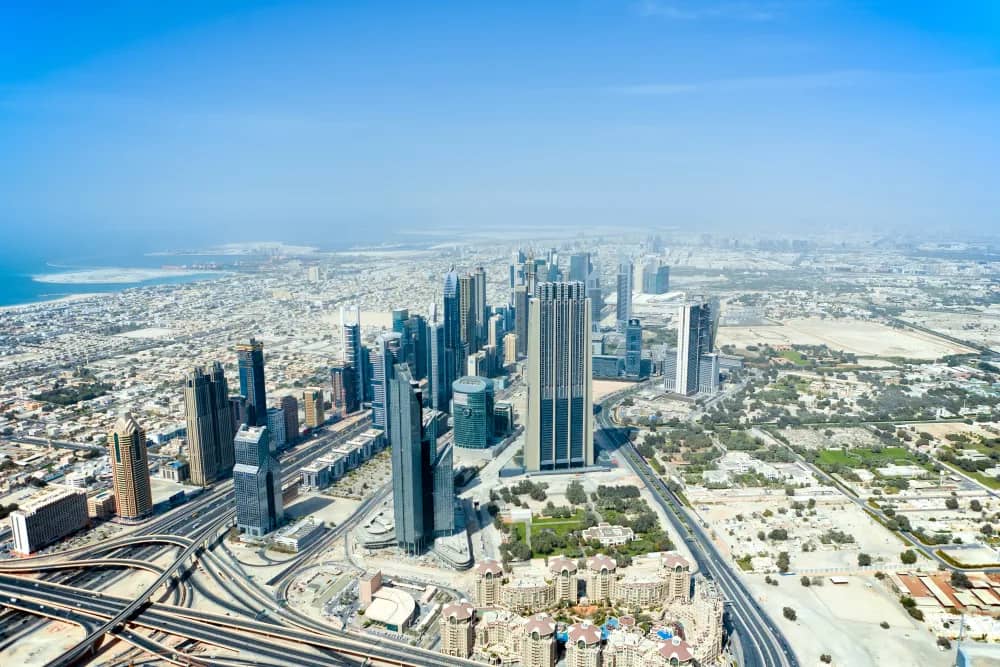
Why the Al Maktoum corridor is attracting serious capital
The AED 128bn expansion of Al Maktoum International Airport is the largest aviation infrastructure project in the world at present. When phased operations reach full capacity, the airport is projected to handle 260 million passengers annually, a figure that dwarfs Dubai International's current throughput. For investors tracking the Dubai property market, the logic is straightforward: airports of this scale do not just move people, they restructure urban geography.
Southern Dubai, which spent much of the last decade in the shadow of more established corridors like Dubai Marina and Downtown Dubai, is now attracting a different profile of buyer. These are investors who want exposure to infrastructure-led capital growth rather than mature-market yield compression. The communities sitting directly within the airport's influence zone are Dubai South, Emaar South, and Expo City Dubai, and each has a distinct investment case worth examining separately.
Dubai South: what the numbers currently look like
Dubai South spans approximately 145 square kilometres and is master-planned around the airport, the logistics hub, and a residential district. Average apartment prices in the residential district currently sit in the AED 700 to AED 950 per square foot range, depending on finish level and floor height. That is a material discount to established communities. Al Furjan, for comparison, trades closer to AED 1,000 to AED 1,200 per square foot for similar product.
The off-plan pipeline in Dubai South is active. Several developers are offering 60/40 and 70/30 post-handover payment plans, with some structured to extend three to five years beyond completion. For a buyer purchasing a one-bedroom apartment at AED 750,000, that translates to an entry outlay of AED 150,000 to AED 225,000 during construction, with the balance spread over the post-handover period. This structure is particularly relevant for investors who want controlled capital deployment while the airport project progresses. You can review current Dubai off-plan projects to compare payment structures across the market.
Rental yields in Dubai South's residential district have been reported between 7% and 9% gross, driven partly by the logistics and aviation workforce already operating at the site. That workforce is expected to scale considerably as airport construction intensifies, providing a demand base for rentals that is not purely speculative.
Emaar South: a more polished entry with a tighter price gap
Emaar Properties holds a significant land bank adjacent to the Expo City site, and Emaar South is the developer's primary vehicle for monetising that position. The community is more finished than much of Dubai South proper. Golf course frontage, completed parks, and a functioning retail strip give it an immediately liveable character that earlier-stage communities typically lack.
Pricing reflects that relative maturity. Townhouses in Emaar South are currently listed between AED 1.6mn and AED 2.4mn for three and four-bedroom configurations, while apartments range from AED 550,000 for a studio to around AED 1.1mn for a two-bedroom unit. These are not distressed-market prices, but they remain well below comparable product in Dubai Hills Estate, where a three-bedroom townhouse regularly trades above AED 3mn.
Emaar's typical payment plan in this community runs on a 10% booking deposit, followed by construction-linked instalments, with a 40% balance due on handover. For investors who qualify, a property purchase at or above AED 2mn also opens the path to a 10-year UAE Golden Visa through Dubai property, which adds a residency dimension to the investment calculus.
Expo City Dubai: the third node in the corridor
Expo City Dubai, the repurposed Expo 2020 site, occupies a strategic position between the airport and the wider urban network. Its residential offering is limited compared to Dubai South and Emaar South, but commercial and mixed-use assets here attract multinational tenants already anchored by the district's conference infrastructure and transport links. For investors focused on commercial or serviced apartment product rather than traditional residential, this node warrants separate analysis.
The connectivity picture strengthens the corridor's investment case. The Route 2020 metro extension already serves Expo City, and the planned expansion of that line toward the airport itself will materially reduce the commute friction that has historically weighed on southern Dubai valuations. Infrastructure timelines in Dubai have a consistent track record of delivery, which reduces the scenario risk that often inflates a discount when investors price emerging-area assets.
Positioning a buy-before-the-boom strategy correctly
The phrase 'buy before the boom' is overused in Dubai real estate marketing, but the structural argument here is more concrete than usual. Al Maktoum's phased opening is a sequenced public infrastructure project with published milestones, not a speculative developer concept. Each phase of operational activation, from cargo to low-cost carriers to full international hub status, represents a demand catalyst for surrounding residential and commercial property.
The investor risk profile suited to this corridor is patient capital with a three to seven year horizon. Anyone seeking a quick flip or immediate high-yield income should look at more mature communities. But for a buyer comfortable acquiring off-plan now and holding through the airport's ramp-up, the price gap between the southern corridor and established areas like Dubai Creek Harbour or DAMAC Hills provides a meaningful buffer and upside potential. A full walkthrough of the purchase process is available in our guide on how to buy property in Dubai.
One practical step before committing is to model the recurring costs. Service charges in master-planned communities can vary significantly. Use a service charge calculator to stress-test the net yield assumption before signing any SPA. Emaar-managed communities have historically maintained predictable service charge schedules, which matters when projecting returns over a multi-year hold.
What to watch before making a decision
Three variables should sit at the top of any investor's monitoring list for this corridor. First, the airport's official phasing schedule and any published announcements around airline commitments. Terminal activations, not construction milestones, are what drive residential demand. Second, inventory absorption rates in Dubai South. If unsold stock begins to accumulate, price discovery will stall regardless of the macro infrastructure story. Third, any rezoning or density changes to the Dubai South master plan, which can materially affect future supply.
The window for early positioning in infrastructure-linked Dubai real estate has historically been measured in years, not months. The communities near Al Maktoum are not yet priced for what they could become, but that gap is closing as the project moves from planning to active construction. Investors who have monitored similar cycles in Dubai Silicon Oasis or Jumeirah Village Circle will recognise the pattern. The question is where to place conviction, and at what price.
Frequently asked questions
What is the current average price per square foot in Dubai South residential district?
Average pricing in Dubai South's residential district currently ranges from approximately AED 700 to AED 950 per square foot, depending on the project, floor level, and finish specification. This represents a notable discount to more established mid-market communities.
Does buying in Emaar South qualify me for a UAE Golden Visa?
Yes, provided the purchase price meets or exceeds AED 2mn, you may be eligible to apply for a 10-year UAE Golden Visa. The property must be fully paid or mortgage-financed through an approved UAE bank, and certain DLD conditions apply. Consult a RERA-licensed broker for current eligibility criteria.
What payment plan structures are typical for off-plan projects in this corridor?
Common structures include 60/40 (60% during construction, 40% on handover) and 70/30 plans, with some developers offering post-handover payment periods extending three to five years beyond completion. Payment plan terms vary by developer and project, so comparison is essential before committing.
When is Al Maktoum International Airport expected to reach full operational capacity?
Al Maktoum International is being developed in phases. Early phases are expected to become operational within the coming years, with full capacity of 260 million passengers per year representing a longer-term target. Official timelines are published by Dubai Aviation Engineering Projects and are subject to revision.
How does the Route 2020 metro line affect property values in the southern Dubai corridor?
The Route 2020 extension already connects Expo City Dubai to the existing metro network. A further expansion toward the airport is planned, which is expected to reduce commute times and improve the liveability score of surrounding communities, two factors that have historically correlated with price appreciation in previously underserved Dubai districts.
More Investment posts
 Investment
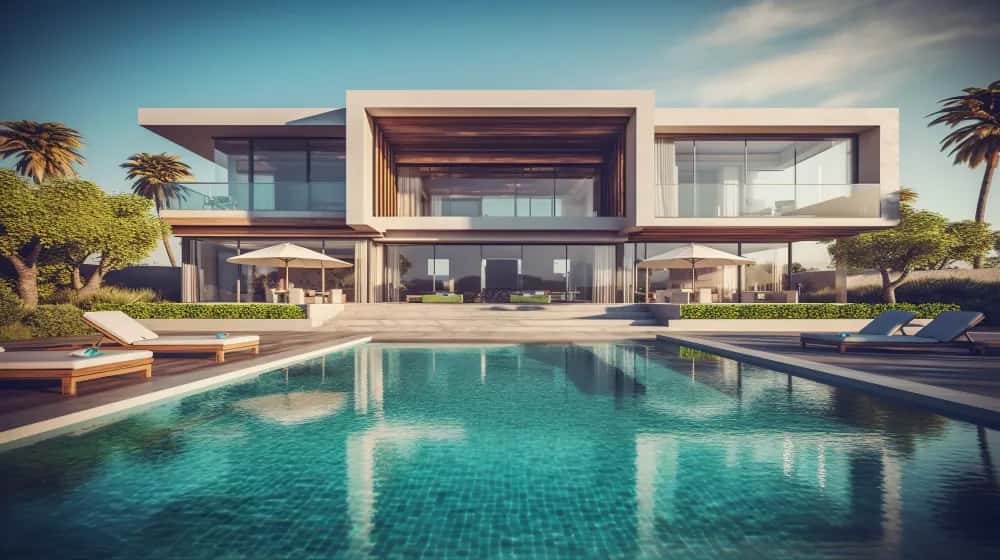
Villa renovation vs buying new in Dubai: which pays off?
Some Dubai villa owners are spending up to $5.4m on renovations. We break down whether upgrading delivers better ROI than buying off-plan or resale.
By Roy El Baba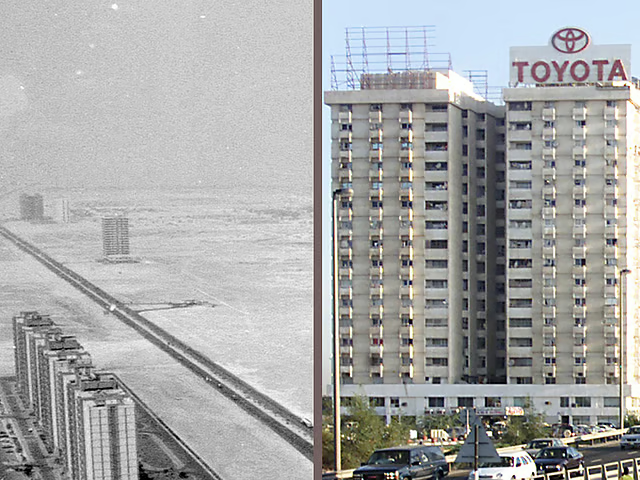 Investment
Sheikh Zayed Road redevelopment: what it means for investors
The Toyota Building's demolition signals a broader redevelopment wave on Sheikh Zayed Road. Here is what plot clearances along prime corridors mean for land values and off-plan launches.
By Roy El Baba Investment
Why Indian investors keep choosing Dubai real estate
Indian nationals are Dubai's largest foreign buyer group. Here's what drives that demand and how NRIs can buy freehold property step by step.
By Roy El Baba Investment
ELLE residences on Dubai Islands: what branded living costs you
ELLE's entry into Dubai real estate signals how fashion brands are reshaping the branded residence market. Here's what the premium actually buys you.
By Roy El Baba