

Furnished vs unfurnished rentals: a Dubai landlord ROI guide
Picking the wrong furnishing strategy can cost a Dubai landlord thousands in yield annually. Here is how to decide by community and property type.
Why furnishing strategy is a yield decision, not a style choice
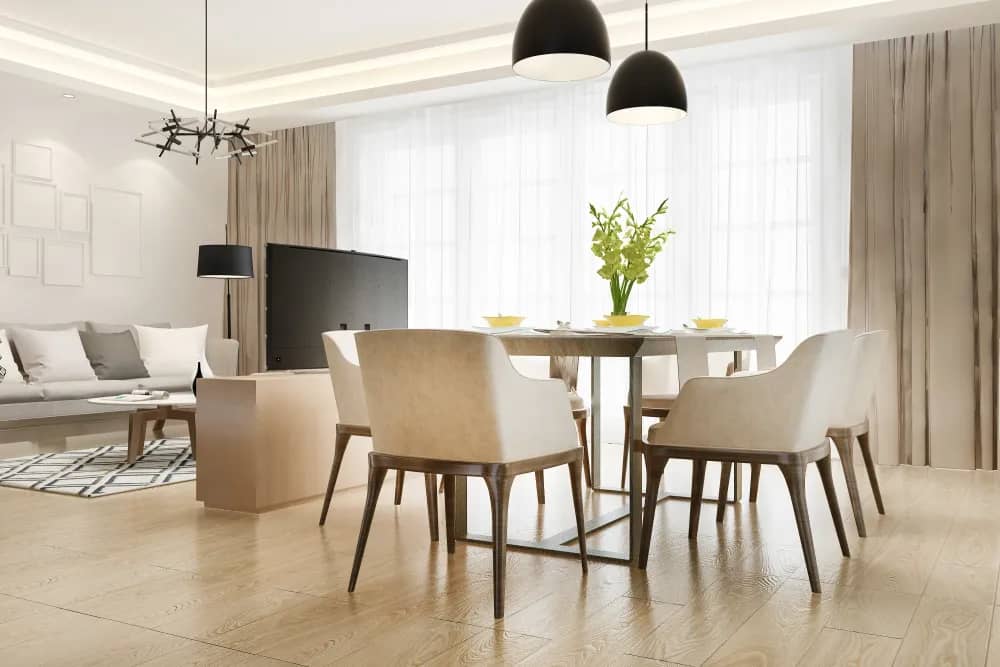
Most Dubai landlords approach the furnished versus unfurnished question as a matter of personal preference or convenience. The smarter frame is purely financial. A furnished one-bedroom in the right community can command 15 to 25 percent more in annual rent than its bare counterpart, but those gains evaporate quickly if the furniture spend is high, vacancy periods are longer, or the target tenant pool simply does not want a furnished unit. Before spending a dirham on sofas and kitchen appliances, run the numbers for your specific asset.
The Dubai property market has matured enough that rental premiums for furnished stock vary sharply by location, unit size, and tenant demographic. What works in Dubai Marina will not produce the same return in Jumeirah Village Circle. This guide breaks down the logic community by community so landlords can make a defensible ROI case before committing to a furnishing budget.
Dubai Marina: furnished premiums are real but so are the costs
Dubai Marina is one of the few communities in Dubai where a fully furnished apartment commands a consistently strong premium and rents quickly. A furnished one-bedroom in Marina typically lists between AED 95,000 and AED 120,000 per year, compared to AED 80,000 to AED 100,000 unfurnished. The tenant profile here skews toward short-to-medium term corporate relocatees and finance professionals who want a move-in ready unit and are willing to pay for it. Void periods for well-presented furnished stock are notably shorter.
The counterargument is cost control. A credible furnished fit-out for a Marina one-bedroom, covering furniture, appliances, soft furnishings, and basic kitchen equipment to a standard that justifies the premium, runs AED 25,000 to AED 45,000 depending on quality. Add annual service charges, which in Marina buildings average AED 15 to AED 18 per square foot, and you need to stress-test whether the rental uplift actually clears the total cost over a two to three year cycle. Use a service charge calculator to model this before you commit.
For two-bedroom and larger units in Marina, the furnished premium narrows in percentage terms. Family tenants at that size tend to have their own furniture and prefer unfurnished units. Landlords with larger Marina apartments often do better offering semi-furnished, meaning white goods and built-in wardrobes only, which keeps fit-out costs low while staying competitive.
JVC: where unfurnished often wins on net yield
Jumeirah Village Circle tells a different story. JVC is a high-volume mid-market community attracting long-term residents, young families, and professionals seeking value. The dominant tenant here plans to stay two or more years and typically owns furniture. A furnished one-bedroom in JVC lists at roughly AED 65,000 to AED 80,000 annually; unfurnished equivalents sit at AED 55,000 to AED 68,000. The gross uplift is around AED 10,000 to AED 15,000, which sounds attractive until you account for the higher tenant turnover that furnished units attract and the wear-and-tear replacement cycle on budget furniture.
JVC landlords who furnish to a cheap standard often find themselves replacing mattresses, sofas, and appliances every two to three years, eroding the yield advantage entirely. For JVC specifically, the data supports an unfurnished or semi-furnished approach for most one- and two-bedroom apartments. Redirect the fit-out budget into a quality kitchen remodel or bathroom upgrade; these improvements attract better long-term tenants and add lasting capital value, neither of which a flat-pack sofa achieves.
Where furnished stock makes the strongest ROI case
Beyond Marina, fully furnished apartments justify their fit-out cost most reliably in Downtown Dubai, Palm Jumeirah, and Jumeirah Beach Residence (JBR). These communities attract a high share of short-term and holiday let tenants, corporate tenants on company-paid housing, and international buyers who purchase off-plan and rent out immediately before deciding on personal use. In all three cases, the tenant is paying for convenience, not just square footage, and the market sustains premiums of 20 to 30 percent over unfurnished equivalents.
Studios warrant separate treatment regardless of community. A furnished studio consistently outperforms an unfurnished one across almost every Dubai submarket because the typical studio tenant is a single professional arriving in Dubai for a new role and has neither the time nor the inclination to furnish from scratch. The fit-out cost for a studio is also proportionally lower, AED 12,000 to AED 20,000 done properly, which means the payback period on the investment is shorter. If you own a studio anywhere from Business Bay to Dubai Silicon Oasis, furnishing it is almost always worth running the numbers on.
Practical considerations landlords often overlook
Furnishing status must be accurately stated in your Ejari registration. Ejari Dubai records the rental contract and its terms with the Real Estate Regulatory Authority, and misrepresenting the condition of a unit, whether furnished or not, can create disputes at renewal or when the tenant vacates. If you upgrade a unit from unfurnished to furnished between tenancies, update your listing and ensure the Ejari contract reflects the correct description. For a full walkthrough of how to rent in Dubai compliantly, the How to rent in Dubai guide covers the key landlord obligations.
Depreciation is a real cost that most landlord spreadsheets ignore. Furniture in a rental property is not a one-time expense. A realistic assumption is that mid-range furnishings in a high-turnover unit need partial replacement every three years and full replacement every six to eight years. Build this into your yield calculation as an annual provision, roughly two to four percent of the original fit-out cost per year, and compare the resulting net figure against the unfurnished rental income before making a decision.
For landlords buying off-plan with a view to renting immediately on handover, furnishing decisions should feed into the broader investment analysis. The How to buy property in Dubai guide is a useful reference for understanding total acquisition costs before factoring in any fit-out budget.
A simple decision framework by property type and community
Studios: furnish in virtually all communities. The yield uplift and fast-lease benefit outweigh the fit-out cost in most scenarios. One-bedrooms in premium waterfront or city-centre communities (Marina, Downtown, JBR, Palm): furnish to a quality standard and price accordingly. One-bedrooms in mid-market suburban communities (JVC, Al Furjan, Dubai Hills Estate): semi-furnish at most. The long-term tenant profile does not reward a full fit-out. Two-bedrooms and larger anywhere: default to unfurnished unless you have a specific corporate or short-let strategy in place. The premium narrows and the replacement cost rises.
Whichever route you choose, photography quality and listing accuracy matter as much as furnishing itself when it comes to time-to-let. A well-shot unfurnished apartment will lease faster than a poorly presented furnished one. If you are assessing options for a specific unit, the Dubai rentals market gives a live view of what comparable furnished and unfurnished stock is actually achieving, rather than asking prices that may never transact.
Frequently asked questions
Does a furnished apartment always achieve a higher rent in Dubai?
Not always. In communities with a dominant long-term tenant profile, such as JVC or Al Furjan, the furnished premium is narrow and the higher turnover rate often cancels out the rent uplift. The benefit is strongest in waterfront and city-centre communities where corporate and short-term tenants are the primary market.
How much should a landlord budget to furnish a Dubai apartment?
A basic but presentable fit-out for a studio runs AED 12,000 to AED 20,000. A one-bedroom to a standard that justifies a meaningful premium costs AED 25,000 to AED 45,000. Two-bedrooms and above can reach AED 60,000 or more if done properly. Factor in a depreciation provision of two to four percent annually when calculating net yield.
Does furnishing status need to be registered on Ejari?
Yes. The Ejari contract in Dubai should accurately reflect the condition of the unit at the time of lease. Misrepresenting the furnishing status can create legal disputes at renewal or checkout. Always ensure the description matches the physical condition of the apartment.
What is semi-furnished and is it a viable strategy for Dubai landlords?
Semi-furnished typically means built-in wardrobes, white goods (fridge, washing machine, sometimes a cooker), and air conditioning units, without soft furnishings or furniture. It is a cost-effective middle ground for mid-market communities where tenants want appliances but own their own furniture. It keeps fit-out costs low while broadening the appeal of the listing.
Should furnishing decisions differ for off-plan purchases bought as investments?
Yes. Off-plan buyers should factor the furnishing budget into their total cost of ownership from the start, alongside service charges and Dubai Land Department fees. If the handover community profile supports furnished rentals, the fit-out spend should be included in the yield model before the purchase is made, not treated as an afterthought once the keys are handed over.
More Investment posts
 Investment
Villa renovation vs buying new in Dubai: which pays off?
Some Dubai villa owners are spending up to $5.4m on renovations. We break down whether upgrading delivers better ROI than buying off-plan or resale.
By Roy El Baba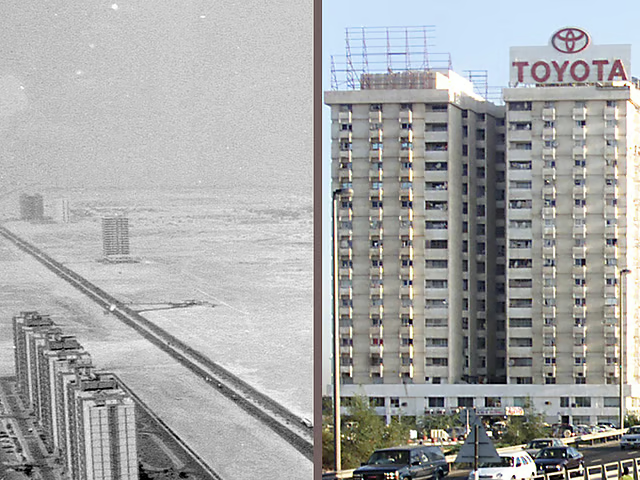 Investment
Sheikh Zayed Road redevelopment: what it means for investors
The Toyota Building's demolition signals a broader redevelopment wave on Sheikh Zayed Road. Here is what plot clearances along prime corridors mean for land values and off-plan launches.
By Roy El Baba Investment
Why Indian investors keep choosing Dubai real estate
Indian nationals are Dubai's largest foreign buyer group. Here's what drives that demand and how NRIs can buy freehold property step by step.
By Roy El Baba Investment
ELLE residences on Dubai Islands: what branded living costs you
ELLE's entry into Dubai real estate signals how fashion brands are reshaping the branded residence market. Here's what the premium actually buys you.
By Roy El Baba