Off-planQ2 2027
Dubai community · 2 off-plan projects

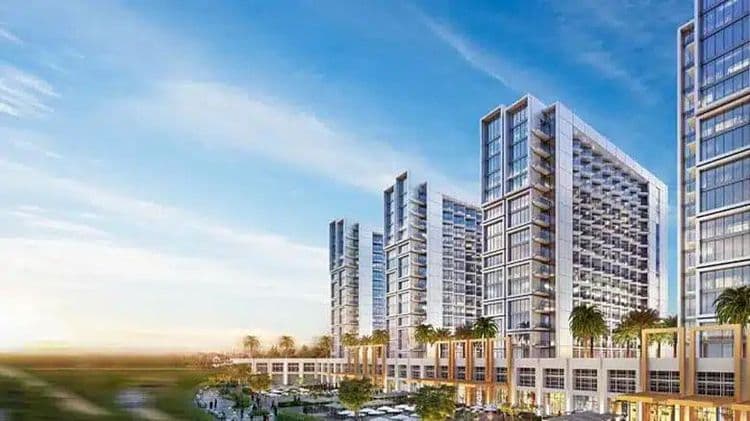
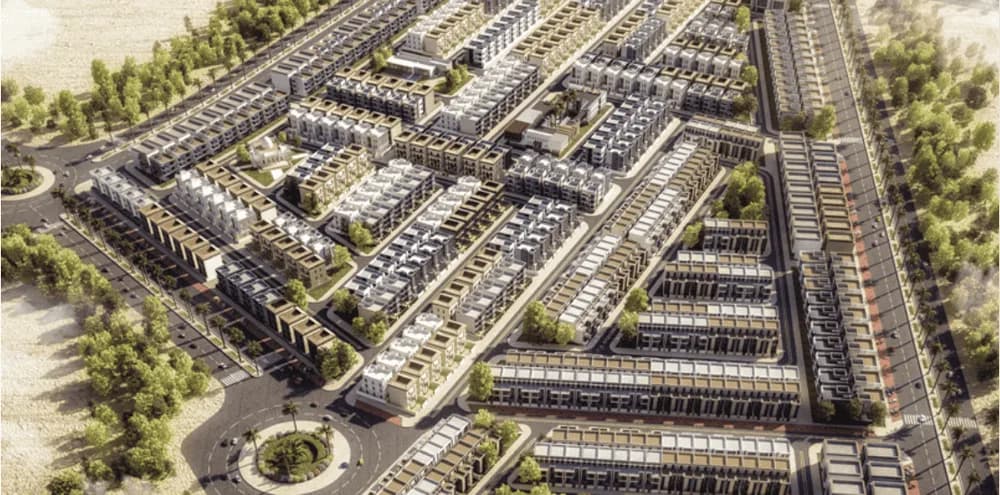
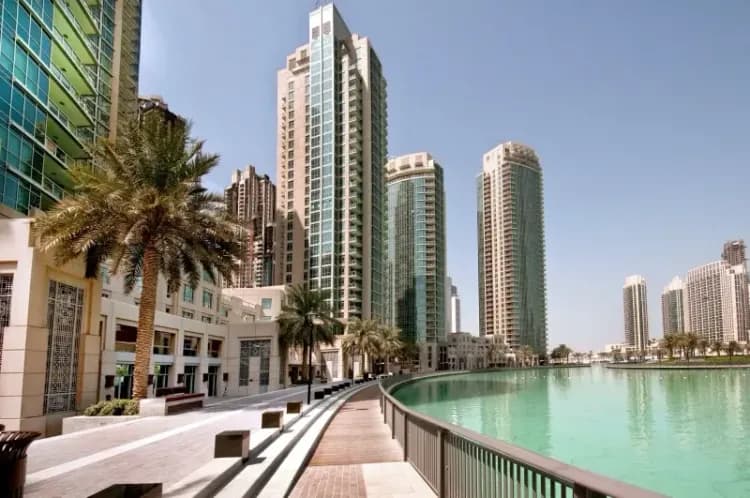
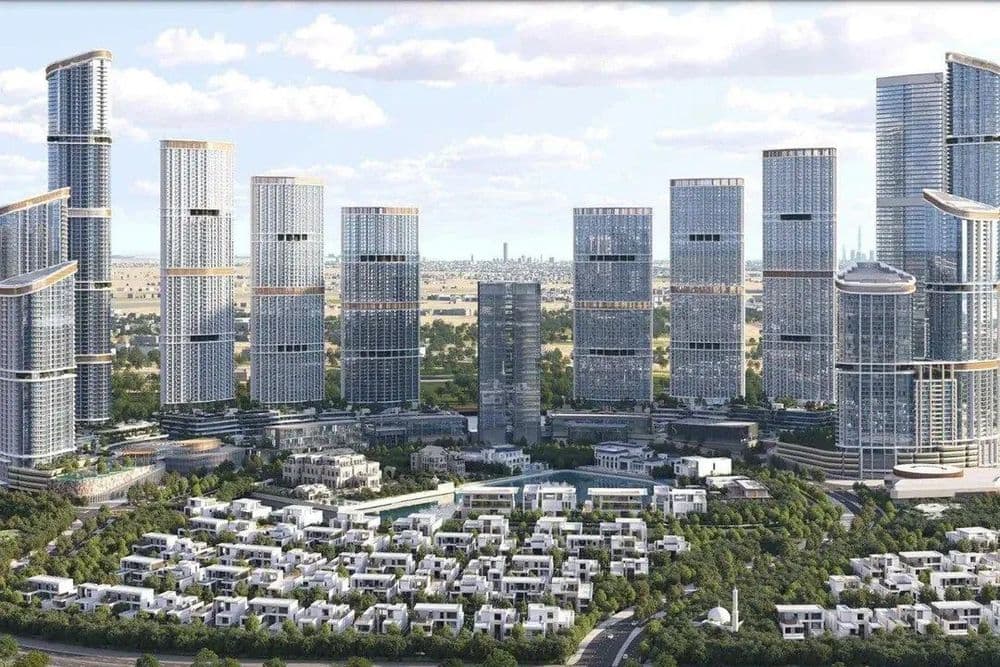
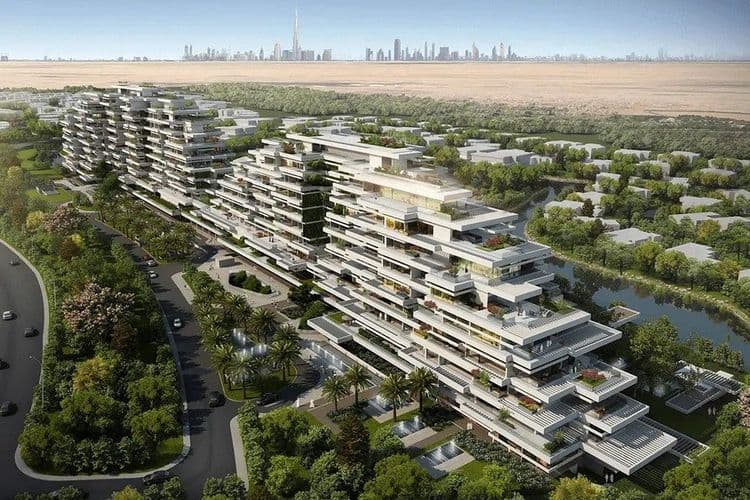
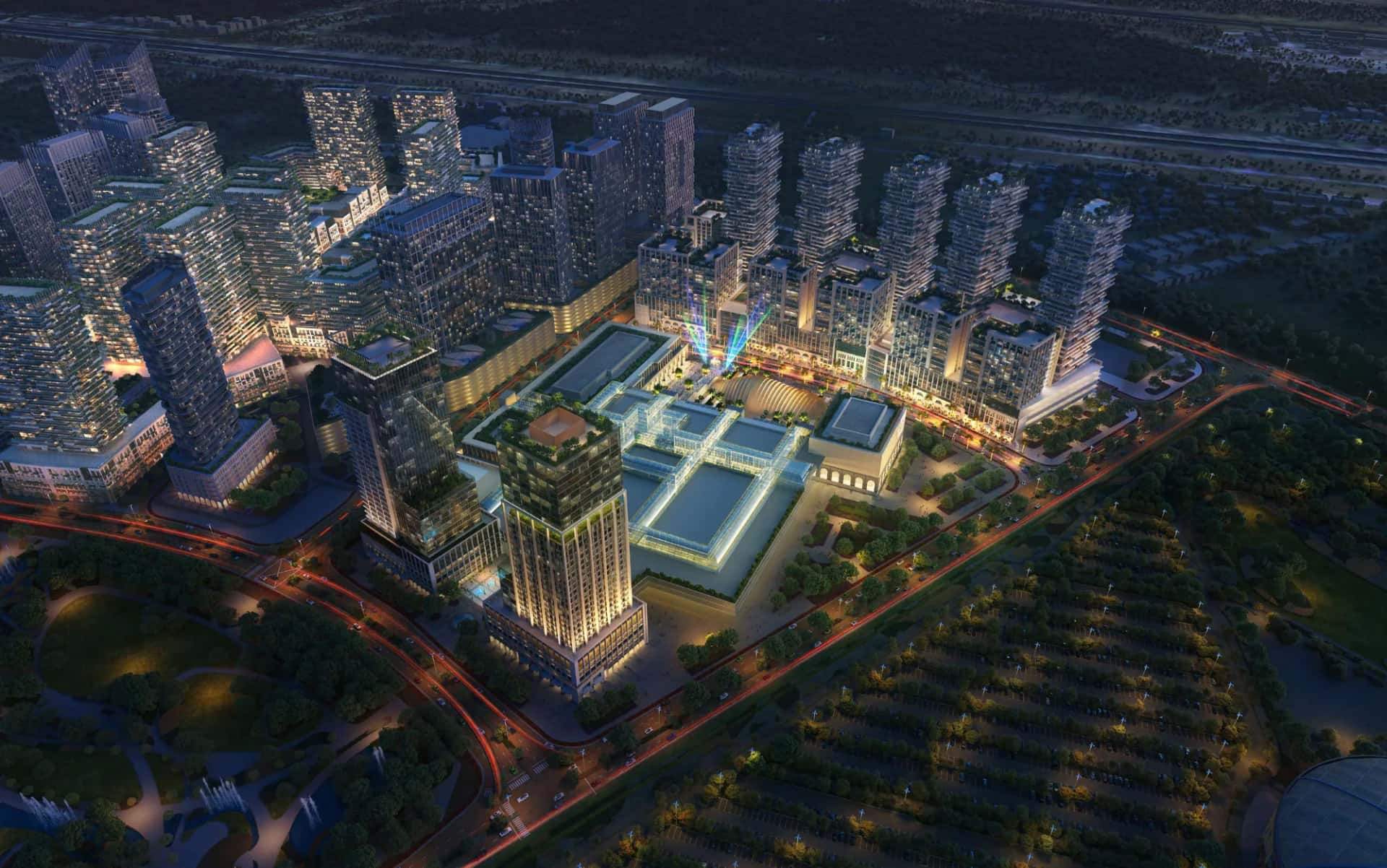
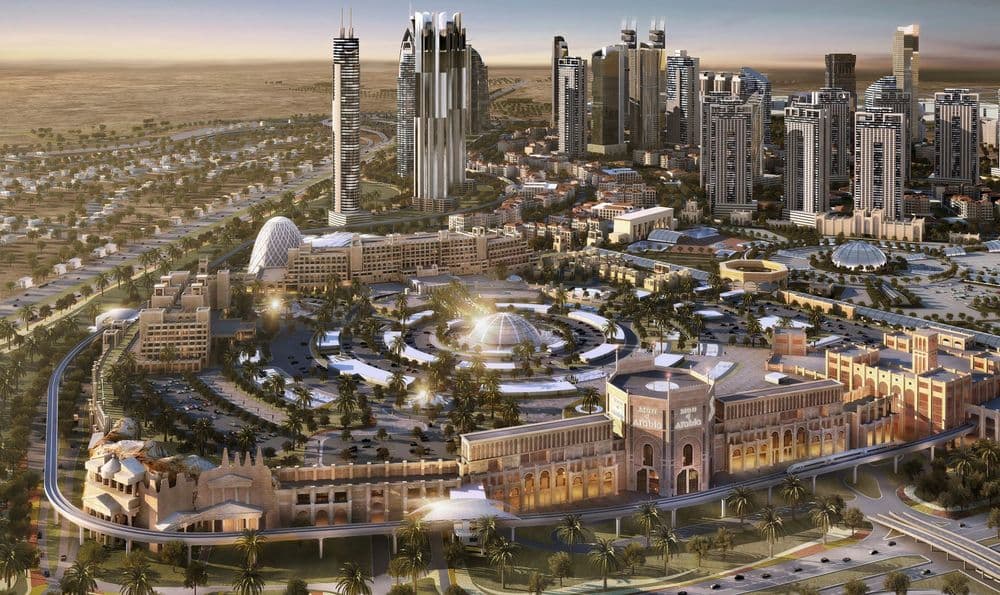
City of Arabia is a large-scale master-planned district in Dubailand, positioned along Sheikh Mohammed Bin Zayed Road in the heart of new Dubai. It's designed for residents who want space, greenery, and genuine community infrastructure without paying prime-district prices. Our honest take: this is one of the more ambitious mid-market master-plans in the emirate, and it's finally hitting its stride. With eight active projects across our catalogue — from Azizi's Milan series to GFH's California Village — the supply pipeline here is real, not theoretical. Buyers who move early on a district like this tend to look back and wonder why they hesitated.
City of Arabia currently has eight active projects in our catalogue, which tells you something meaningful about the pace of development here. This isn't a district with one or two speculative towers; it's a coordinated build-out across multiple developers — Azizi Developments, GFH, One Development, and MAG Group all have skin in the game simultaneously.
The project spread covers a wide delivery window. California Village and California Residences by GFH are targeting Q3 and Q4 2025 respectively, making them among the nearest-term completions in the area. Laguna Residence Phase 2 by One Development is pencilled for Q4 2027, while Azizi Milan Heights and its Tower F variant push into mid-2028. That staggered pipeline matters: it means the area won't flood with handovers in a single quarter, which historically supports resale pricing stability.
On pricing, City of Arabia sits firmly in Dubai's mid-market band. Off-plan entry points here are meaningfully lower than comparable product in Dubai Hills Estate or Business Bay, and in our experience that gap is wider than the lifestyle difference justifies. Buyers are effectively paying a location premium discount — which is either a risk or an opportunity depending on your horizon.
Price per square foot for off-plan apartments in this corridor has been running in the AED 900–1,300 range depending on developer, floor, and finish specification. Larger units and townhouse-adjacent product tend to compress the per-sqft figure further. We'd expect that band to tighten upward as more completions land and the retail and leisure infrastructure catches up with the residential stock.
In our experience, the buyers who get the best outcomes in master-planned districts like this are the ones who commit before the amenities are finished, not after. The risk is real — construction timelines in Dubailand have historically been optimistic — but the upside for early movers has been consistent across comparable districts.
City of Arabia is unambiguously a family-oriented district. The master-plan is built around wide internal roads, landscaped open space, and a community retail spine — not rooftop bars and beach clubs. Our buyers here skew towards couples with young children, professionals relocating from more expensive districts, and UAE residents making a deliberate trade of proximity for square footage.
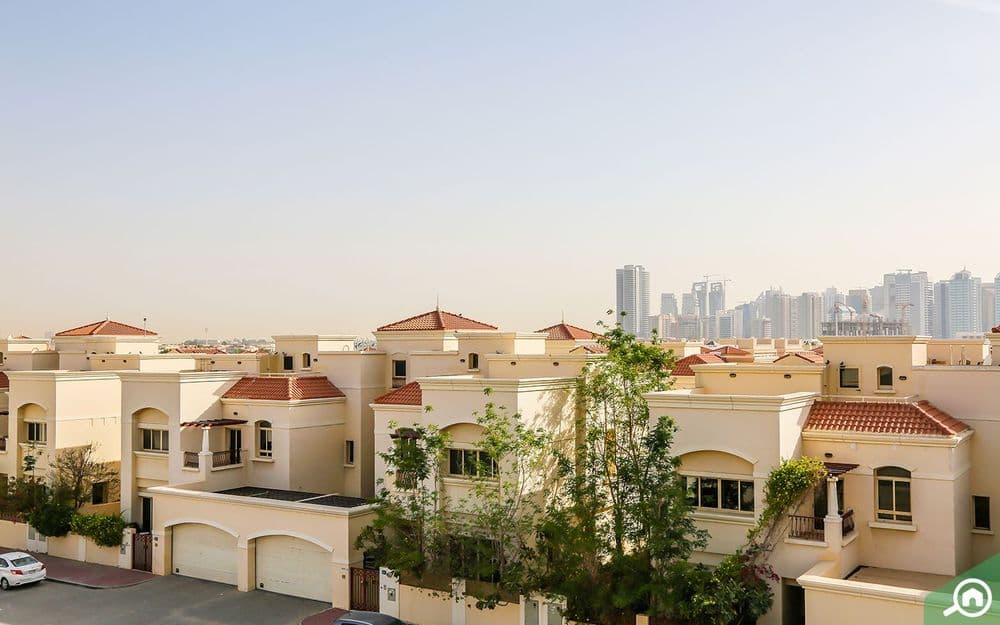
The California Village and California Residences projects by GFH bring a distinct aesthetic to the area — low-rise, villa-adjacent in feel, with communal pools and landscaped courtyards that suit a slower pace of life. Azizi's Milan series leans more apartment-urban in character, which gives the district a useful mix rather than a single demographic monoculture.
Walkability is honest rather than exceptional. Within a given sub-community — say, the Laguna Residence cluster or the California Village precinct — you can move between amenities on foot. Crossing between sub-communities still requires a car. That's the reality of most Dubailand master-plans, and City of Arabia is no different.
Dining options within the district itself are still maturing. The honest position is that residents currently rely on the broader Dubailand corridor and the retail nodes along Sheikh Mohammed Bin Zayed Road for day-to-day eating out. That will change as ground-floor retail in the newer projects activates — but buyers should go in with realistic expectations about the next two to three years.
What the area does deliver well is green space and a sense of scale. The plots are generous, the buildings aren't stacked on top of each other, and there's a genuine sense that the master-planner left room for the district to breathe. For families coming from a cramped apartment in JLT or Discovery Gardens, that difference is felt immediately.
Schools within or near the corridor:
Healthcare:
Retail & daily needs:
The retail and dining offer within City of Arabia itself is still developing. Residents today supplement with the wider corridor. That changes as the 2025–2028 completions deliver their ground-floor activations.
City of Arabia sits directly on Sheikh Mohammed Bin Zayed Road (E311), which is its single biggest connectivity asset. That road gives you a direct run to most of Dubai without threading through the older, congested arterials.
Drive times in normal traffic: Dubai Mall and Downtown Dubai are roughly 25–30 minutes. DIFC is a similar distance, perhaps 30 minutes depending on the entry point. Dubai Marina runs closer to 35–40 minutes. Dubai International Airport (DXB) is approximately 30–35 minutes via E311 and the airport connector roads. Al Maktoum International (DWC) is actually closer — around 25–30 minutes — which matters for residents who travel frequently and prefer the newer terminal.
There is no metro line serving City of Arabia directly. The nearest Red Line stations are at the Mall of the Emirates end of the corridor, requiring a drive or bus connection. This is a genuine gap, not a minor inconvenience — if you don't drive or rely on public transport for a daily commute, the area is harder to recommend.
For school runs, the Dubailand corridor has a reasonable concentration of schools within a 5–10 minute drive, which is a practical positive for families. Peak-hour congestion on E311 is real but manageable compared to the older Sheikh Zayed Road corridor. Our view: connectivity here is solid for car-dependent residents, and genuinely limited for everyone else.
City of Arabia sits in the mid-market yield band. Gross rental yields for apartments in comparable Dubailand-adjacent districts have historically run in the 7–9% range, and we'd expect City of Arabia to perform within that corridor as the district matures. The lower entry price per square foot is the primary driver — when you buy at AED 900–1,100 per sqft and rent at market rates, the arithmetic works in your favour more readily than it does in prime districts.
The eight projects currently active in our catalogue represent a meaningful supply injection over the 2025–2028 window. That's not a warning sign in isolation — Dubai's population growth continues to absorb new stock — but investors should be aware that rental competition within the district will increase as handovers stack up. Differentiating on finish quality, floor level, and view will matter more than it does today.
Resale liquidity in City of Arabia is currently thinner than in established districts. The secondary market here is younger and less deep than, say, JVC or Dubai Silicon Oasis. That's a short-term constraint, not a structural flaw — liquidity follows completions and population, and both are trending in the right direction.
Capital appreciation in master-planned Dubailand districts has followed a recognisable pattern: flat or modest during the construction phase, then a step-change upward once the community amenities and retail activate. Buyers who entered comparable districts three to four years before full activation have generally seen the strongest gains.
Our editorial line: bullish, with patience required. City of Arabia has the developer diversity, the pipeline depth, and the price-point to deliver strong returns — but investors who need liquidity within 18 months should look elsewhere.
Gross rental yields in City of Arabia typically land between 6% and 8% annually, which is competitive for a villa-heavy community. Smaller apartments tend to push toward the higher end of that range. We do advise buyers to factor in longer void periods compared to more established communities — tenant demand is growing but the area isn't yet a first-choice search for most renters, so budget for 4–6 weeks vacancy between tenancies.
The master developer is Limitless, a subsidiary of Dubai World, which has driven the overall community plan since the mid-2000s. Sub-developers including Tanmiyat (Laguna Tower) and smaller regional builders have delivered residential clusters within the master plan. It's worth noting that development activity has been intermittent — we always recommend buyers verify handover status and escrow registration directly with RERA before committing to any off-plan unit here.
City of Arabia sits off Sheikh Mohammed Bin Zayed Road (E311), which makes it reasonably accessible by car. Expect 25–35 minutes to DIFC, 30–40 minutes to Dubai Marina, and roughly 20–25 minutes to Dubai International Airport outside peak hours. During morning rush (7:30–9:00 am) those times can stretch by 15–20 minutes. There is no Metro station directly serving the community yet, so residents are car-dependent — factor that into your lifestyle planning.
Families we work with in City of Arabia typically look at GEMS FirstPoint School in Motor City (about 10 minutes away) and Fairgreen International School in Sustainable City, which follows an IB curriculum. Within a 15-minute drive you also have Ranches Primary School and several KHDA-rated 'Good' or 'Outstanding' options in Arabian Ranches and Al Barsha. The community itself doesn't yet have an operational school on-site, so school run logistics are worth mapping before you buy.
Day-to-day conveniences are still limited compared to more mature communities. Residents rely on the Mall of Arabia (partially open, with a Carrefour hypermarket) for groceries and retail, and a handful of cafés and service outlets within the community clusters. The full Wadi Walk promenade and additional F&B are still in phased delivery. For a wider dining and leisure mix, City Centre Me'aisem is about 10 minutes away and covers most bases.
Live listings, off-plan launches, recent transactions and rental yields — direct from our advisors. No inflated commissions, no spam. One business-day reply.