Off-plan2027-12-20

Dubai community · 5 off-plan projects
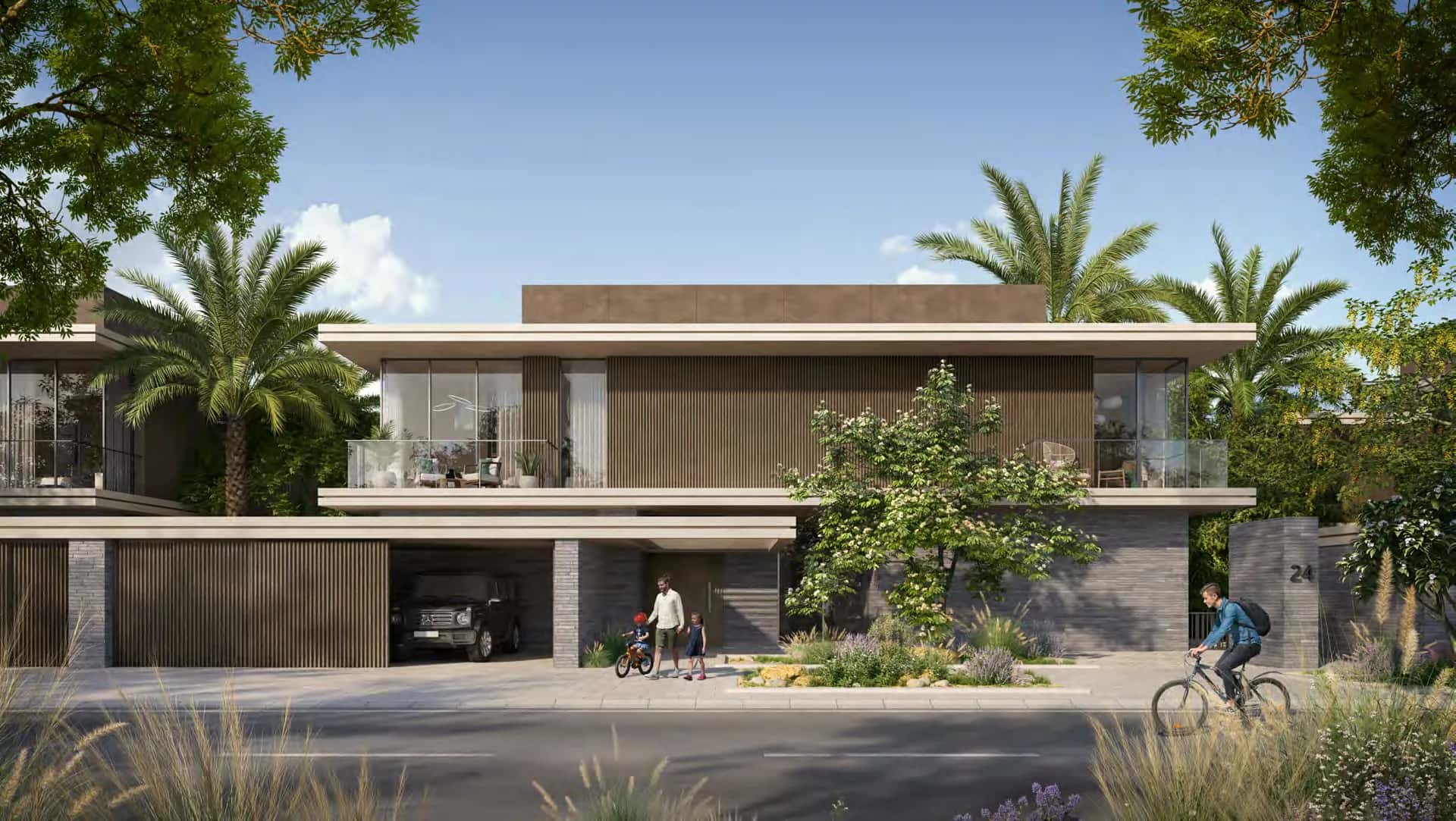

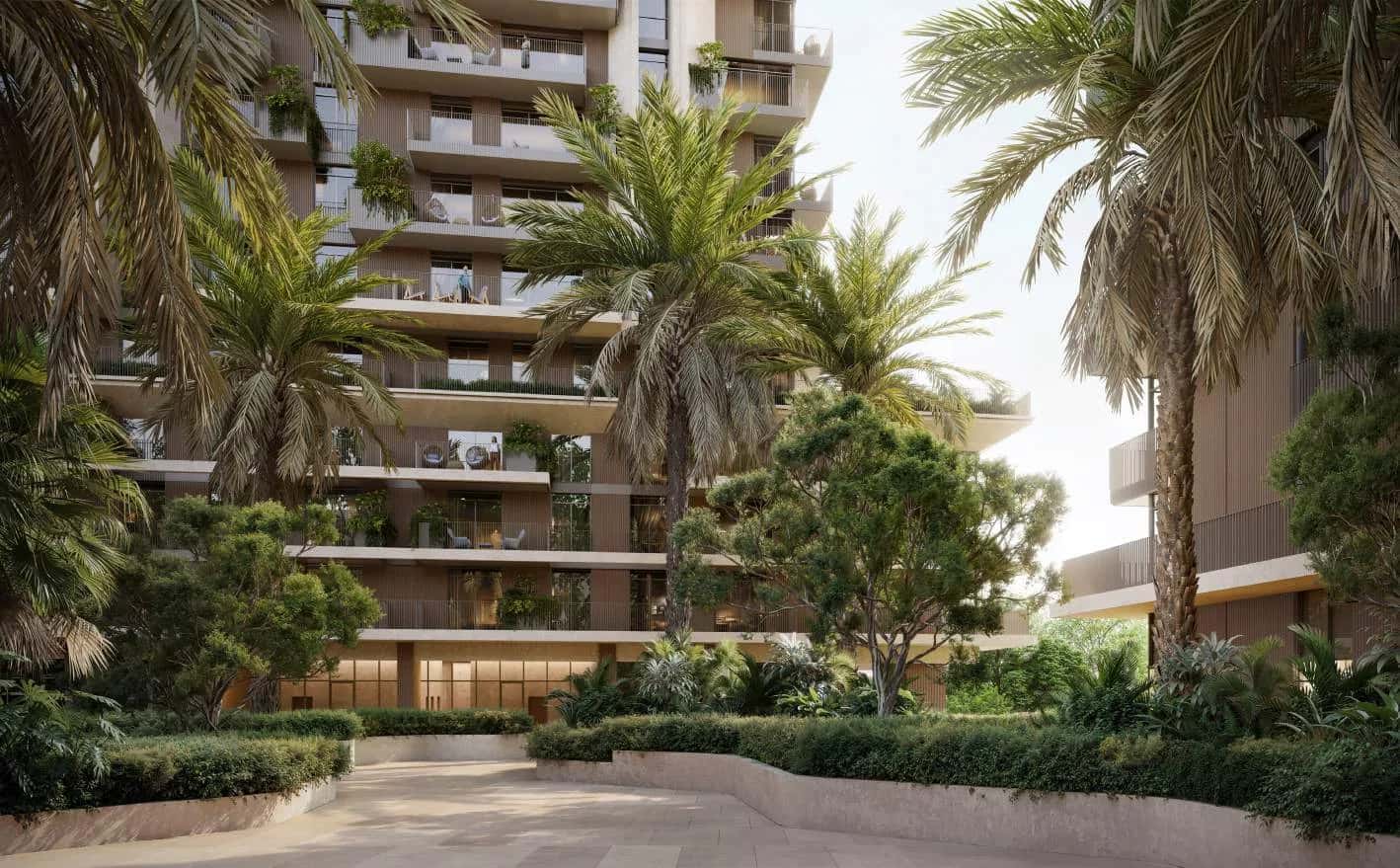
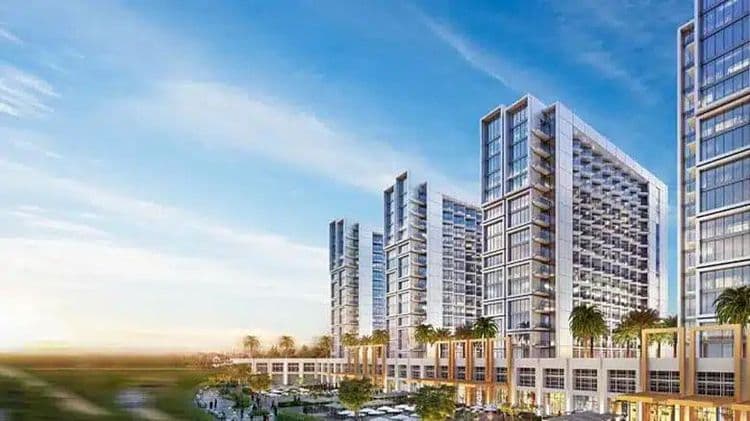
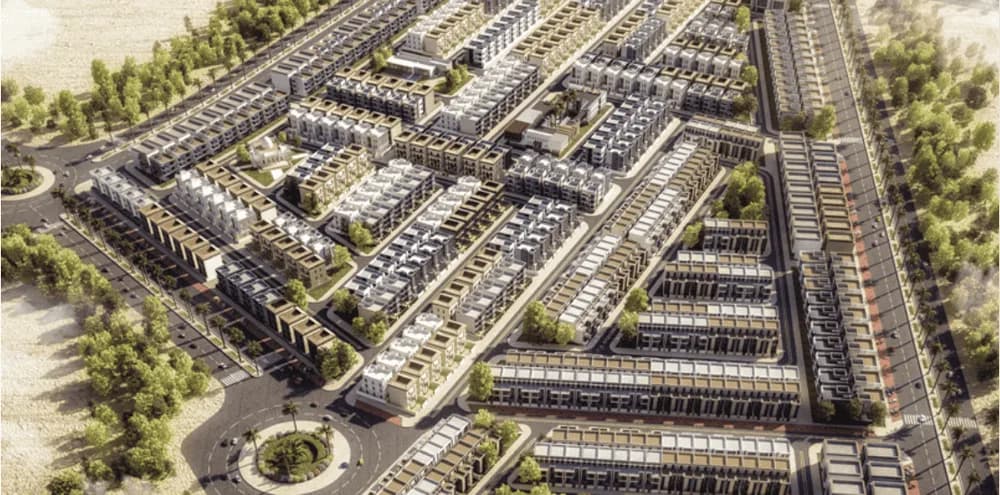
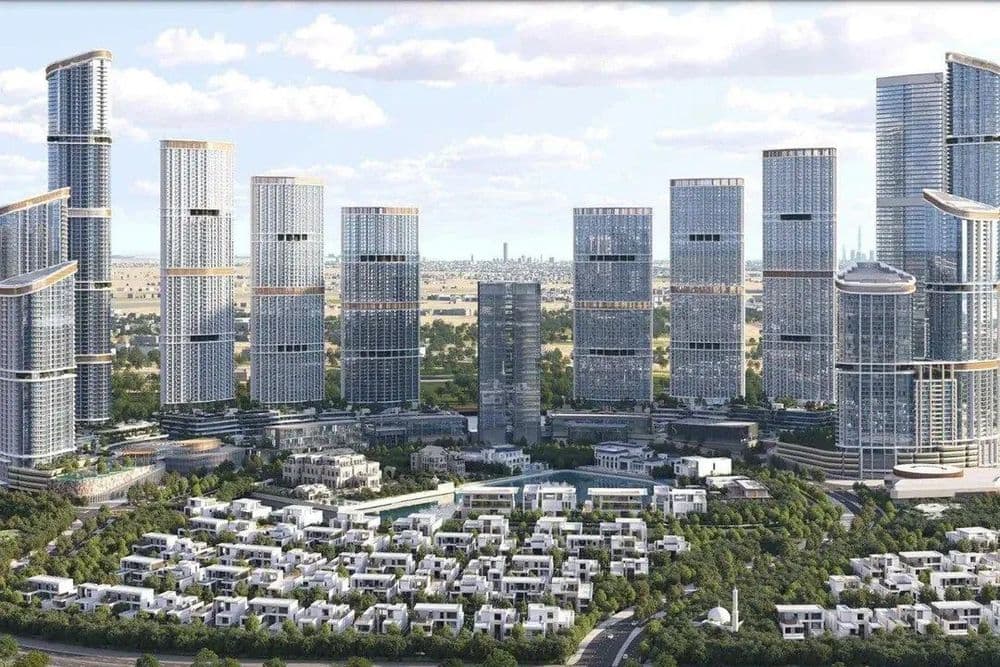
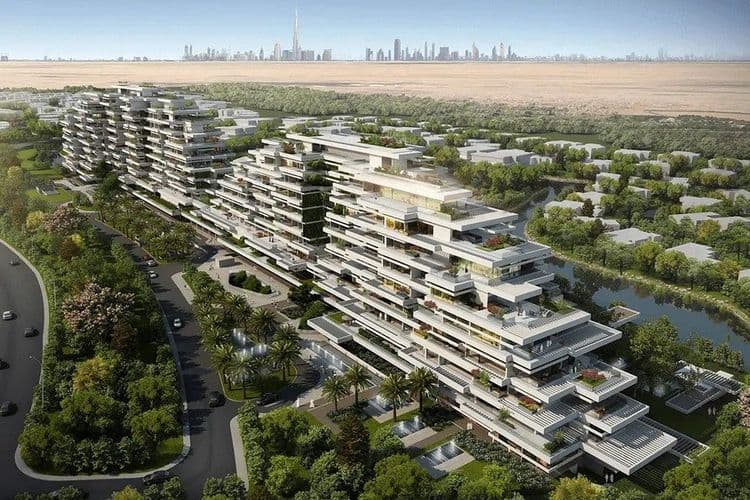
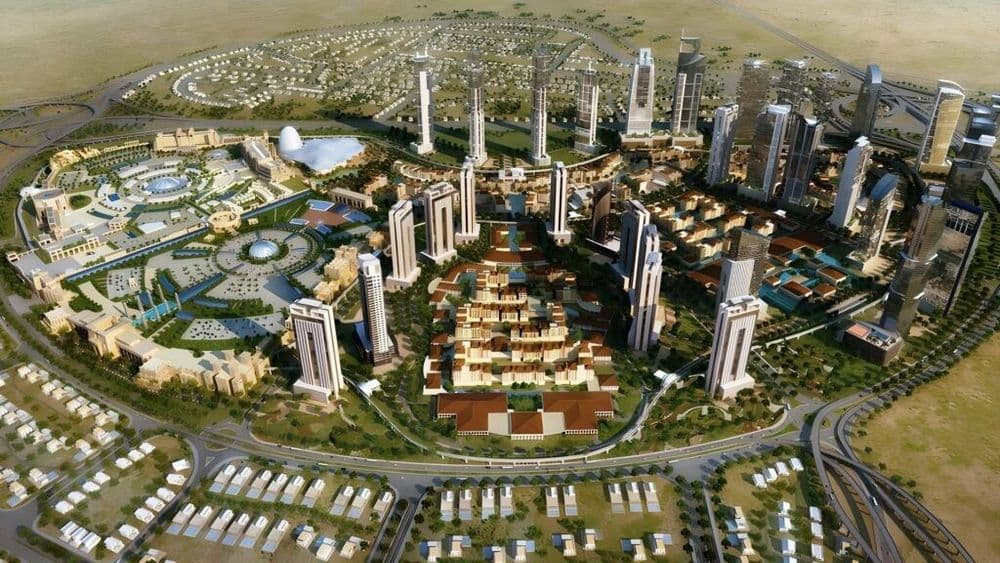
Dubailand is Dubai's most ambitious planned district — a sprawling zone stretching from the Al Ain Road corridor deep into the emirate's interior, designed to house hundreds of thousands of residents across master-planned communities, theme parks, and green corridors. It's not a single neighbourhood; it's a city within a city. Our take: Dubailand is where you buy space, greenery, and long-term capital upside that the older, denser districts simply can't offer anymore. Families chasing three- and four-bedroom villas at realistic prices, and investors hunting yield in a supply-rich but demand-growing corridor, both have strong reasons to be here.
With 41 active projects in our catalogue alone — spanning developers from Emaar and Aldar to Samana, DAMAC, Meraas, Sobha, Ellington, Binghatti, and Majid Al Futtaim — Dubailand carries one of the heaviest off-plan pipelines in Dubai right now. That breadth is both the opportunity and the risk, and any honest broker should say so plainly.
Price per square foot across Dubailand communities currently ranges from roughly AED 700–900 for mid-market apartment towers (think Samana Avenue, AG 9INE, Vincitore Boulevard) up to AED 1,100–1,500 for villa communities from Aldar (Athlon, Haven, The Wilds Moringa Mansions) and Meraas (The Acres, The Acres Estates). Emaar's Valley sub-communities — Nara, Talia, The Valley EDEN — sit in a similar villa band, reflecting the brand premium buyers consistently pay for Emaar master-planning.
The supply pipeline is genuinely large. Forty-one projects from our catalogue, with delivery statuses ranging from imminent (Mag 330, Q2 2026; Reportage Village, Q4 2027) to 'coming soon' (Tilal Binghatti), means this corridor will absorb significant handover volume over the next three to five years. That's not a reason to avoid Dubailand — it's a reason to be selective about which sub-community and which developer you back.
In our experience, the communities with the clearest master-plan identity and a credible anchor amenity — a polo resort, a forest park, a lagoon — hold their resale value far better than standalone towers dropped into undeveloped plots. Al Habtoor Polo Resort & Club, Ghaf Woods by Majid Al Futtaim, and DAMAC Islands all have that anchor. Generic mid-rise towers without one face a tougher resale market at handover.
We'd also flag that Dubailand's apartment segment is more competitive than its villa segment. There are simply more apartment towers chasing the same pool of tenants and end-users. Villa and townhouse communities here are, in our view, the stronger long-term bet — undersupply relative to Dubai's family population growth is a structural tailwind that won't reverse quickly.
Dubailand doesn't have a single vibe — it has several, depending on which pocket you're in. That's actually one of its strengths.
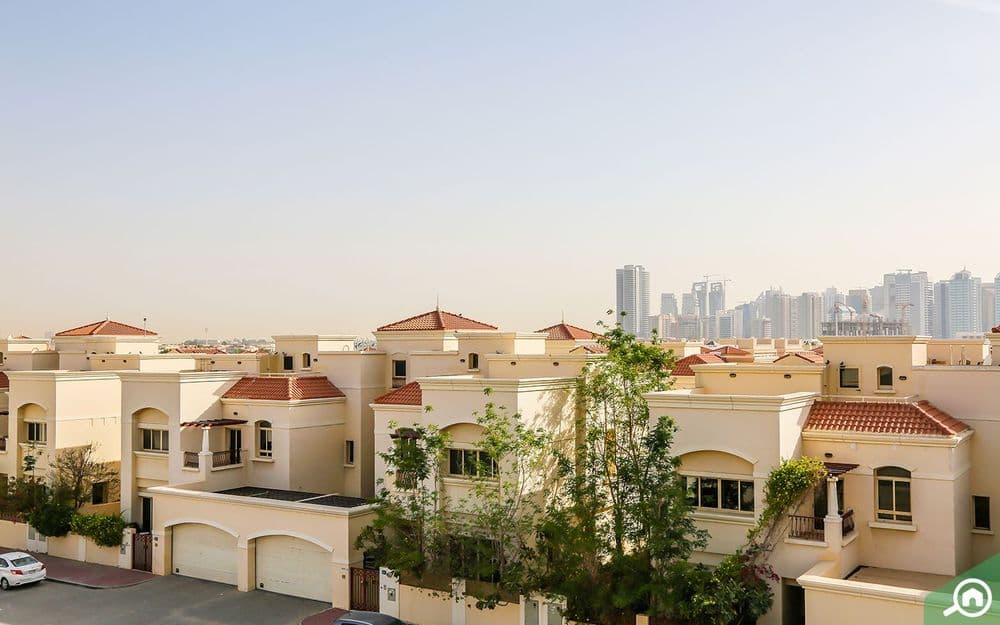
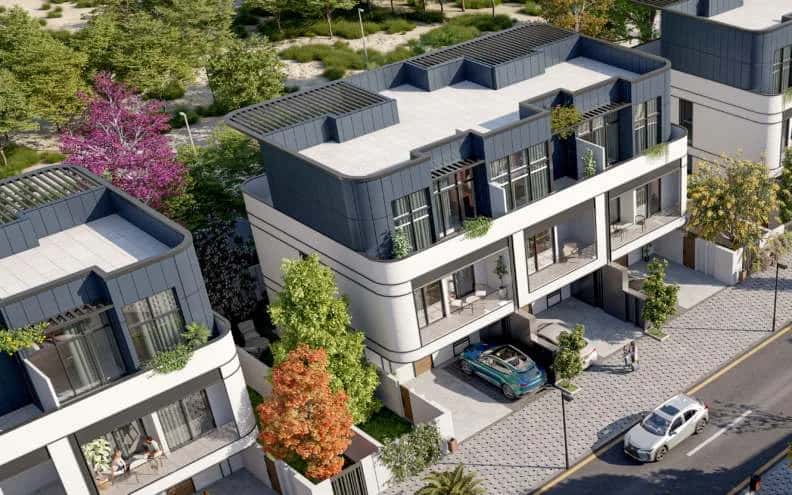
The villa communities — Athlon, Haven, The Valley, The Acres, Amaranta Villanova — are unambiguously family-oriented. Wide streets, private gardens, community pools, cycling tracks, and proximity to schools are the selling points. Our buyers in these communities skew heavily towards families relocating from Abu Dhabi or from older Dubai neighbourhoods where the same villa would cost 40–60% more. The trade-off is that you're further from the city centre, and the retail and F&B scene is still maturing.
The apartment towers along the main arterials attract a different demographic: young professionals, couples, and investors seeking rental income. Projects like Samana Park Meadows, Cove by Imtiaz, and Belgravia Gardens by Ellington are spec-built for the mid-market renter who wants a modern finish without paying Marina or Downtown prices.
Walkability is honest-to-goodness low in most of Dubailand. This is a car-dependent district. That said, communities like Ghaf Woods and The Acres are designed around internal pedestrian networks, so within the gates, you can walk. Outside them, you'll drive.
Dining and retail are growing but not yet dense. Most established communities have a community centre with a supermarket, a pharmacy, and a handful of casual restaurants. For a proper night out or a large mall, residents typically drive to Dubai Hills Mall, Mall of the Emirates, or the Global Village (which is practically on Dubailand's doorstep seasonally).
Our editorial verdict: this is a family and investor neighbourhood, not a singles scene. If you want walkable café culture and nightlife within 500 metres, look elsewhere. If you want a four-bedroom villa with a garden, a community pool, and room for the kids to actually play outside, Dubailand is one of the most compelling options in Dubai right now.
Schools within or near Dubailand:
Healthcare:
Retail & leisure:
The retail and healthcare picture is improving year on year as the residential population grows, but it's not yet at the density of established districts. Families moving here should factor in a 15–20 minute drive for specialist healthcare and a full shopping trip.
Connectivity in Dubailand is road-dependent, and we'll be straight with you: it's fine on a weekend, congested on a weekday morning.
The district is served primarily by Sheikh Mohammed Bin Zayed Road (E311) and Emirates Road (E611), with Al Ain Road (E66) forming the southern boundary. From most Dubailand communities, you're looking at roughly 25–35 minutes to Downtown Dubai and the Burj Khalifa in off-peak conditions, 45–60 minutes in morning rush hour. DIFC is similar. Dubai Marina runs 35–45 minutes off-peak. Dubai International Airport (DXB) is approximately 30–40 minutes via E311; Al Maktoum International (DWC) is closer, around 25–35 minutes, which matters if you fly Emirates or use DWC regularly.
There is no metro line serving Dubailand currently. The Route 2020 extension serves areas closer to Expo City, but the bulk of Dubailand communities remain metro-free. A car is not optional here — it's essential.
The school run is actually one of Dubailand's quiet strengths. Several well-regarded schools sit within or immediately adjacent to the district, meaning many families avoid the cross-city commute that plagues residents of older communities. For families, this is a genuine quality-of-life advantage that doesn't show up in price-per-sqft comparisons.
Dubailand sits firmly in Dubai's mid-market investment band. Gross rental yields on apartments typically run 7–9%, occasionally touching double digits in smaller, more affordable towers where purchase prices are lower and rental demand from young professionals remains steady. Investors seeking property in Dubailand or exploring Dubailand property for sale can benefit from these attractive returns. Villa communities deliver slightly lower yields—typically 5–7% gross—but the capital appreciation story is stronger, particularly in master-planned communities from Emaar, Aldar, and Meraas, where the long-term land value case is clear.
Resale liquidity is the honest caveat. Dubailand is not Downtown Dubai. Off-plan resales in the secondary market can take longer to move, and buyers are generally more price-sensitive. Communities with a strong developer brand and a clear amenity anchor—Athlon's cycling and fitness infrastructure, The Acres' green corridors, and Ghaf Woods' forest concept—trade more freely than generic towers. If you're considering off plan projects in Dubailand with the intention of flipping at handover, choose your project carefully and price realistically.
Capital appreciation across property in Dubailand has been meaningful over the past three to four years, driven by Dubai's population growth and the structural shift toward larger homes after 2020. Villa prices in particular have risen sharply. Whether that pace continues depends on how much of the 41-project pipeline is delivered on schedule and how quickly supporting infrastructure—including retail, schools, and transport—keeps pace with residential development.
The early-mover advantage in several of these communities has already been captured. That doesn't mean the opportunity is gone—it means investors need to be more selective. Buyers looking at Dubailand property for sale should prioritize projects from Aldar, Emaar, and Meraas, which generally carry lower execution risk, while smaller developers in the apartment segment may involve greater uncertainty.
Our editorial view remains bullish on Dubailand villas and townhouses while being more selective on apartments. The family housing shortage in Dubai is real, and Dubailand is one of the few districts delivering homes at scale. As demand for Dubailand property for rent continues to grow, quality developments and well-located off plan projects in Dubailand are likely to remain attractive for both investors and end users.
Our landlord clients in Dubailand are typically achieving gross yields of 6–8%, which compares favourably to more established areas like Downtown or JBR. Affordable two-bedroom apartments in communities such as Reportage Village and Cove by Imtiaz tend to attract strong tenant demand from families and young professionals priced out of pricier districts. Furnished units with community amenities consistently outperform unfurnished stock, so factor fit-out costs into your yield calculations from day one.
Dubailand has one of the most diverse developer mixes in Dubai. On the large master-plan side, we're actively selling projects from Aldar, Emaar, DAMAC, Sobha, and Majid Al Futtaim. Mid-tier developers with strong track records here include Ellington Properties, Imtiaz Developments, and Dubai Investments. We also carry projects from Binghatti, Tiger Group, Reportage Properties, and Samana Developers for buyers seeking competitive price points. That breadth means we can match almost any budget or lifestyle preference within a single area.
Commute times depend on which part of Dubailand you're in — it's a large zone. As a rough guide: DIFC is 25–35 minutes via Sheikh Mohammed Bin Zayed Road, Dubai Marina is 30–40 minutes, and DXB airport is 20–30 minutes. Morning peak traffic can add 10–15 minutes. Most communities are car-dependent today, though planned metro extensions and the Route 2020 corridor are gradually improving public transport access. We always advise buyers to do a test drive at rush hour before committing.
Families are actually one of our biggest buyer segments here, and for good reason. Dubailand is home to several well-regarded schools including GEMS FirstPoint School, Dunecrest American School, and Fairgreen International School, all within or adjacent to the area. Community parks, cycling tracks, and retail strips are built into most master plans — Athlon by Aldar, for example, centres its entire concept around an active outdoor lifestyle. Healthcare options are expanding too, with clinics and hospitals increasingly accessible without leaving the zone.
It really comes down to your goal. If you're an investor chasing yield, apartments in projects like Ivy Gardens 2 or Cove Edition 4 offer lower entry prices and easier tenant turnover. If you're buying to live in or want long-term capital growth, townhouses and villas — think Amaranta Villanova, DAMAC Islands, or Nara by Emaar — have historically held value better and attract a more stable owner-occupier community. We'd recommend booking a call with us to map your budget against both options before deciding.
Live listings, off-plan launches, recent transactions and rental yields — direct from our advisors. No inflated commissions, no spam. One business-day reply.