Off-planJanuary 2029
Dubai community · 2 off-plan projects

Wadi Al Safa is a residential corridor running through the heart of Dubailand, sitting between the established communities of Arabian Ranches and the expanding districts pushing toward Al Ain Road. It's a quieter, land-rich pocket that appeals to buyers who want more space, lower entry prices, and a genuine sense of distance from the city's noise — without being marooned from it. Our honest take: Wadi Al Safa is an early-mover area. The infrastructure is catching up, the price points are still accessible, and the developers now committing here are building for a market that's clearly coming.
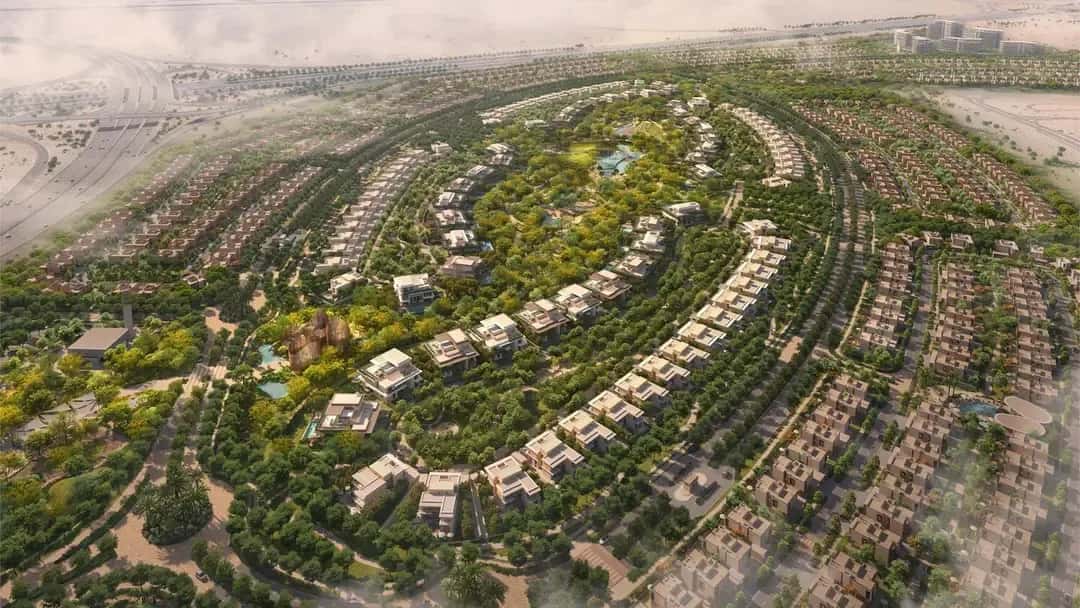
Wadi Al Safa sits across several sub-zones — Wadi Al Safa 2 through 7 — spread along the Dubailand masterplan. The area is not a single gated community; it's a zoning designation that covers a wide band of residential land, which means supply, density, and finish quality vary considerably from one plot to the next.
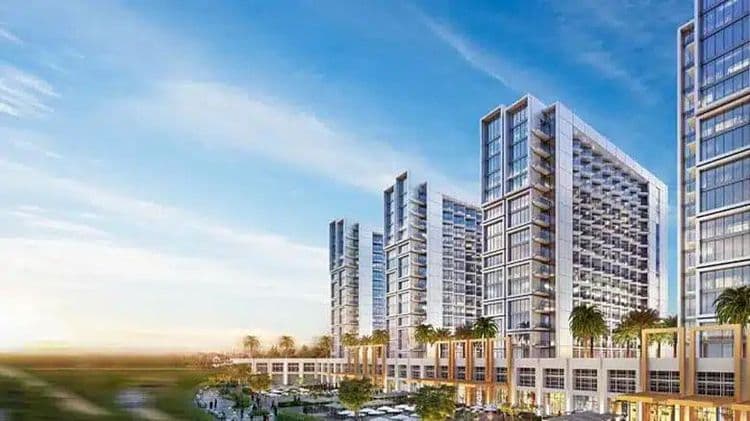
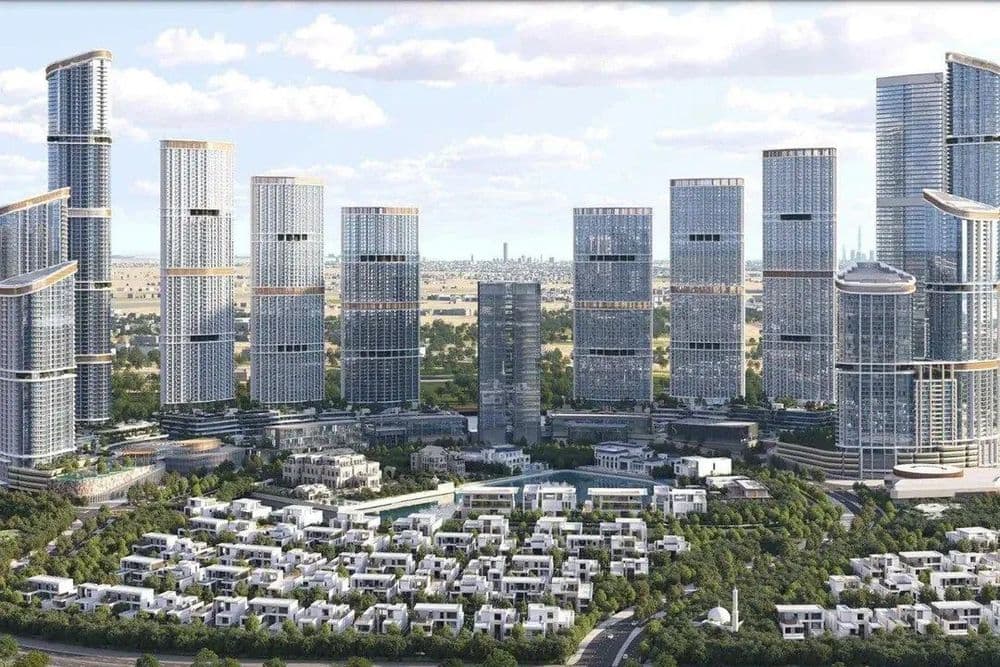
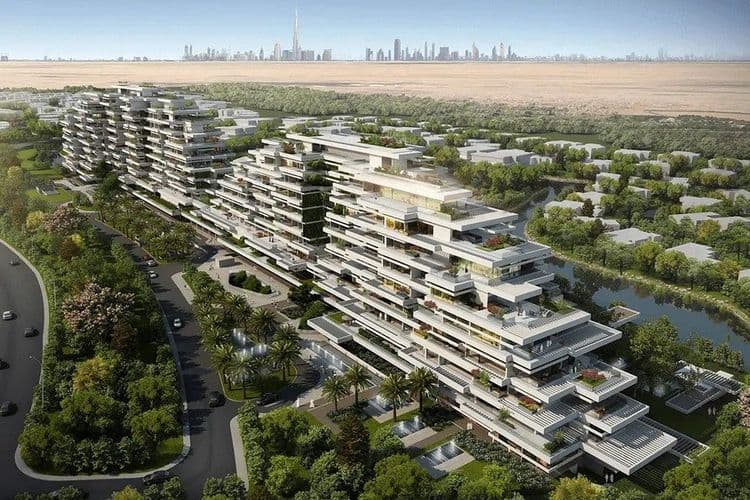
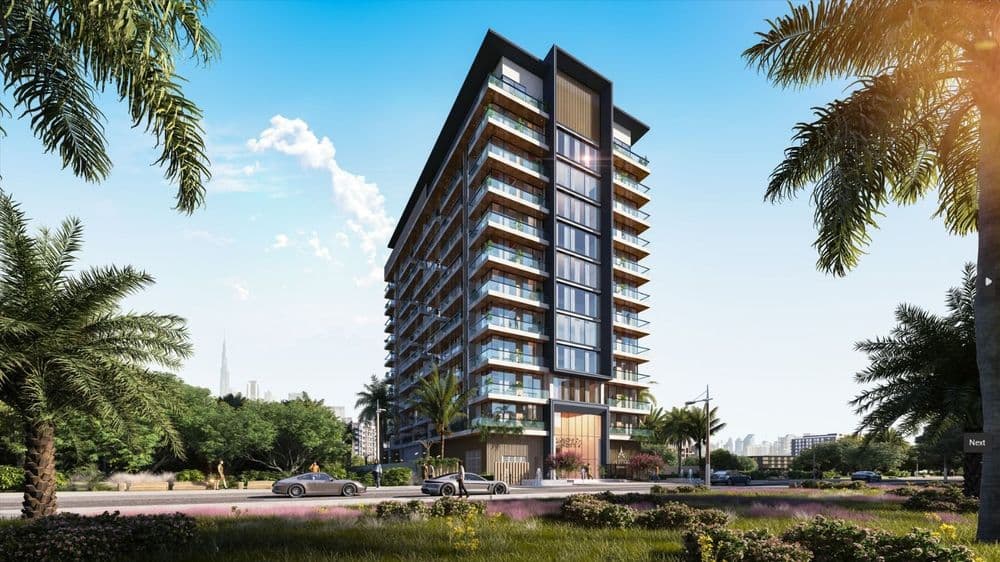
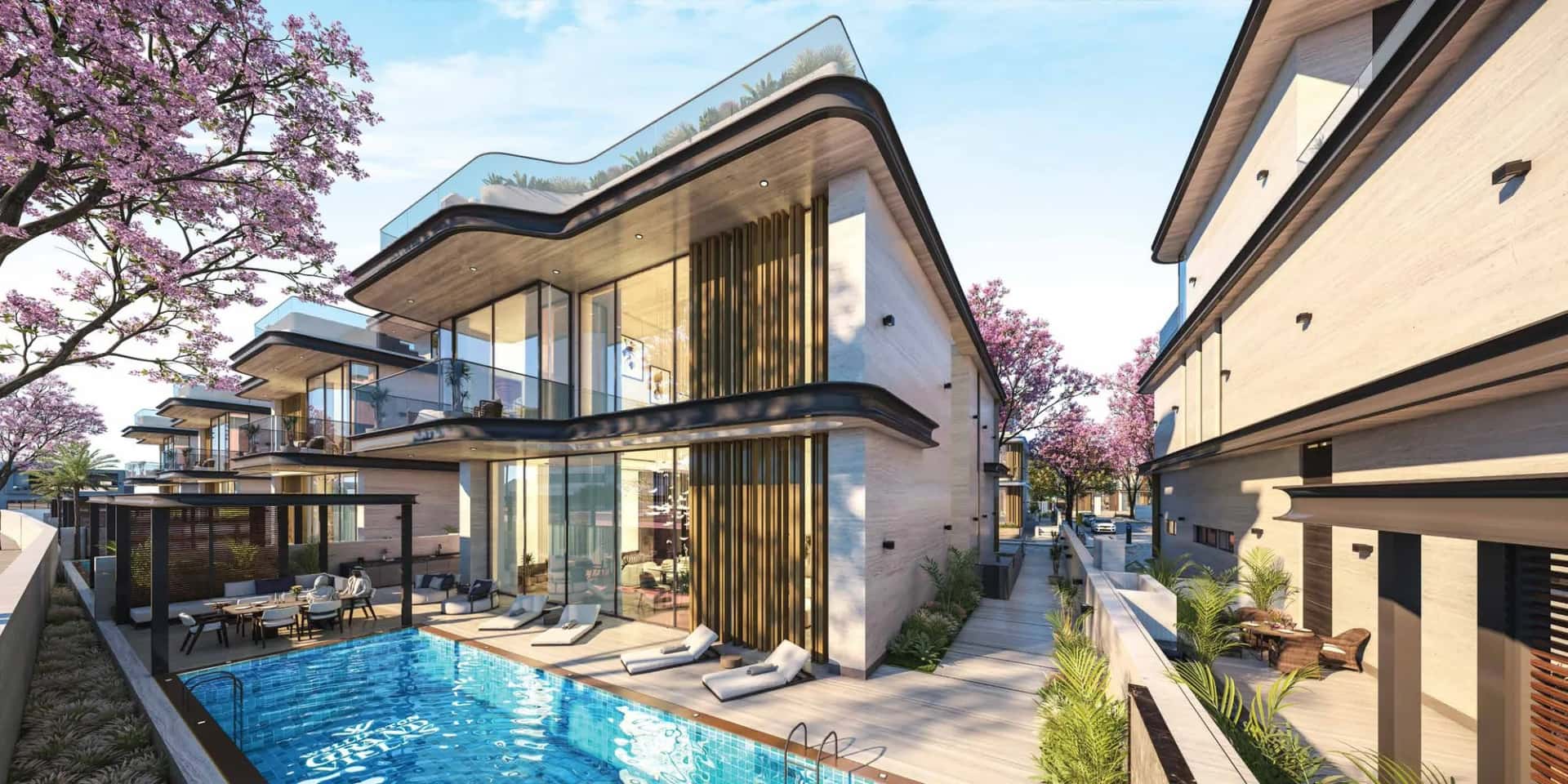
In our catalogue, we currently track 2 active projects here: Mayfair Nexus by Seven Mayfair Real Estate, scheduled for delivery in Q4 2028, and Rukan Maison by LMD Developers. That's a thin pipeline by Dubai standards, but it reflects where the area sits in its development cycle — early enough that large land parcels are still being assembled, not yet at the stage where every gap site has been snapped up by a mid-tier developer.
Price per square foot in Wadi Al Safa typically runs below the Dubai average for comparable product. Townhouses and low-rise apartments in this corridor have historically traded in the AED 700–950 per sqft range, making it one of the more accessible entry points for buyers who've been priced out of Mudon, Arabian Ranches 2, or even parts of DAMAC Hills. Villa plots and larger townhouse units can push higher depending on the sub-zone and the developer's specification level.
In our experience, buyers who come to Wadi Al Safa are often making a deliberate trade-off: they accept a longer drive to the coast or the CBD in exchange for meaningfully larger floor plates and outdoor space. That trade-off is rational. A 3-bedroom townhouse here can deliver 15–20% more built-up area than an equivalent-priced unit in a more central community.
The off-plan market here rewards patience. Handover timelines tend to be longer — Mayfair Nexus, for instance, doesn't complete until late 2028 — so buyers need to be comfortable holding through a construction cycle. The flip side is that payment plans in this corridor are generally structured to reflect that timeline, spreading capital commitment over several years.
One thing we watch closely: as Dubailand's broader infrastructure matures — roads, retail, schools — the sub-zones feeding into Wadi Al Safa tend to re-rate upward. That pattern has played out in Arabian Ranches, in DAMAC Hills, and in parts of Town Square. Wadi Al Safa looks like the next candidate.
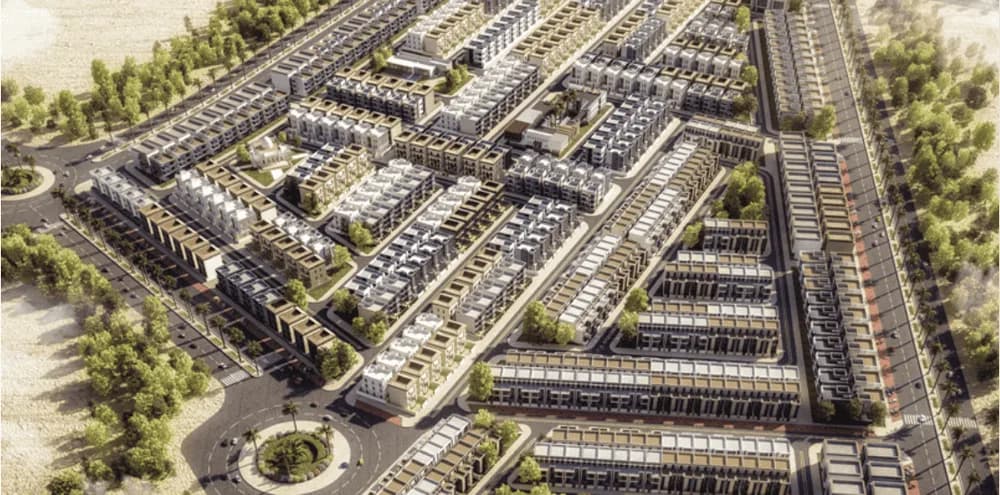
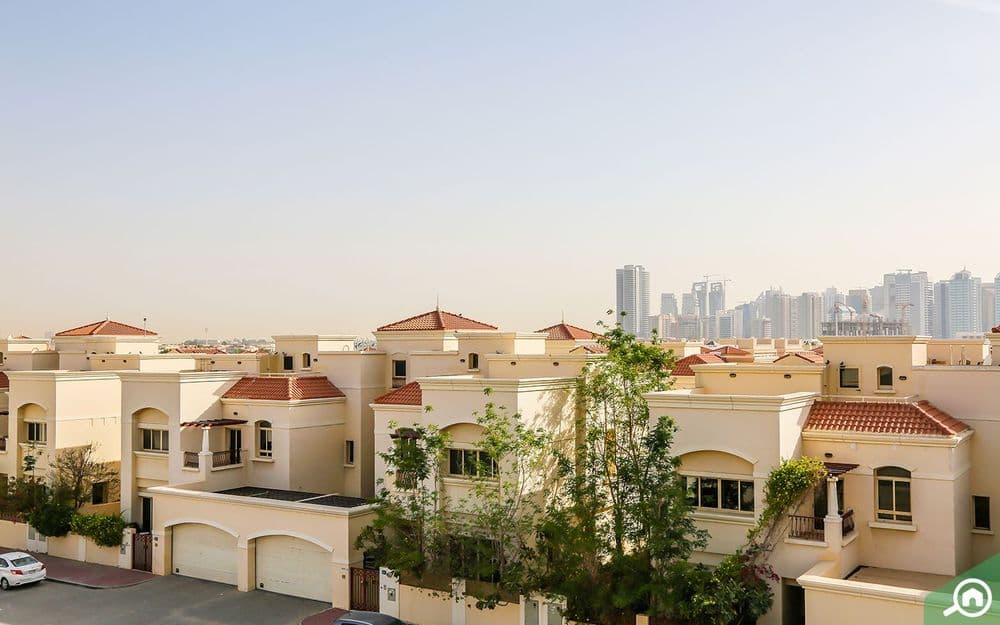
This is unambiguously a family-skewed neighbourhood. The unit mix across the area leans toward townhouses, semi-detached villas, and low-rise apartment clusters — not the studio-heavy towers you'd find in JVC or Business Bay. The streets are wide, the density is low, and the pace is slow. Singles or young professionals who want walkable nightlife or a 10-minute Uber to a rooftop bar will find it frustrating here.
Our buyers in Wadi Al Safa tend to fit a specific profile: families relocating from more expensive communities who want a garden and a parking bay without stretching their budget to breaking point, or investors buying off-plan with a 3–5 year horizon. Both groups are making sensible calls.
The vibe is suburban in the best sense — not sterile, but genuinely residential. Morning runs along internal roads, weekend barbecues, kids cycling in the street. It's the kind of neighbourhood where you know your neighbours because you actually see them outside.
Dining and retail within Wadi Al Safa itself is limited right now. That's the honest answer. Residents rely on nearby hubs — Global Village (seasonal), the retail strips along Sheikh Mohammed Bin Zayed Road, and the larger malls accessible within a 15–20 minute drive. This will change as the area fills in, but buyers should go in clear-eyed: you're not buying into a finished community with a high street. You're buying into one that's being built.
Parks and green corridors are part of the Dubailand masterplan for this zone, and several sub-communities within Wadi Al Safa include internal landscaping and play areas. The outdoor space per resident is genuinely generous compared to denser parts of the city — that's one of the area's real selling points, not a marketing line.
Schools within reach:
Healthcare:
Retail & daily needs:
The honest summary: daily essentials are covered, but residents should expect to drive for most shopping and dining. The retail infrastructure is improving as the area's population grows, and that trajectory is clear.
Wadi Al Safa's connectivity is functional rather than exceptional. The area sits close to Sheikh Mohammed Bin Zayed Road (E311), which is the main artery linking it to the rest of Dubai. From most parts of Wadi Al Safa, you're looking at roughly 25–35 minutes to Downtown Dubai and the Burj Khalifa under normal traffic conditions, and a similar window to DIFC.
Dubai Marina is further — expect 35–45 minutes depending on which sub-zone you're in and what time you're travelling. Dubai International Airport (DXB) is approximately 30–35 minutes via E311 and the interchange network. Al Maktoum International (DWC) is closer in straight-line terms but the road routing adds time; budget 35–40 minutes.
There is no metro access. That's a real limitation, and we won't dress it up. Residents are car-dependent, full stop. The school run is manageable — several schools serving this corridor are within 10–15 minutes by car — but every errand requires a vehicle.
Peak-hour congestion on E311 can add 10–15 minutes to any of the above estimates, particularly on the stretch toward the city. The road itself is wide and well-maintained; the issue is volume, not infrastructure quality. For buyers who work from home or have flexible hours, this is a minor inconvenience. For those commuting daily to DIFC at 8am, it's worth factoring in seriously.
Wadi Al Safa sits in the mid-market to affordable segment of the Dubai residential spectrum, and that positioning shapes its investment case clearly. Gross rental yields in this corridor typically fall in the 7–9% range for well-specified townhouses and apartments — above what you'd expect from prime areas like Palm Jumeirah or Downtown, and consistent with the broader Dubailand mid-market band.
The rental demand base here is families — typically those working in the wider Dubailand, Al Quoz, or Sheikh Zayed Road corridors who need space but can't justify the rents in Arabian Ranches or Mudon. That demand is steady rather than speculative, which gives landlords reasonable occupancy rates and relatively low tenant turnover.
Resale liquidity is the area's main investment risk. Wadi Al Safa doesn't yet have the transaction depth of more established communities, which means selling quickly at full market value requires patience and correct pricing. Off-plan resales before handover are possible but the secondary market is thinner than in, say, Dubai Hills Estate or JVC. Buyers should treat this as a medium-term hold — 5 years minimum — rather than a quick flip.
Capital appreciation here follows the Dubailand infrastructure curve. As roads improve, schools open, and retail fills in, the discount to more established communities narrows. That's been the consistent pattern across Dubailand's sub-zones over the past decade, and there's no structural reason Wadi Al Safa should behave differently.
With two projects in our active catalogue — including a 2028 delivery — the off-plan entry window is still open. Payment plans spread over the construction period reduce the capital burden and allow investors to lock in today's pricing before the area re-rates.
Our editorial line: cautiously bullish. The fundamentals are sound, the entry price is accessible, and the infrastructure trajectory is positive — but this is a patient investor's play, not a short-cycle trade.
We think so, yes. Wadi Al Safa sits along the Dubai–Al Ain Road corridor, and we're seeing strong off-plan demand driven by comparatively affordable entry prices versus more central communities. With Dubai's population growth pushing buyers further inland, areas like this tend to appreciate as infrastructure catches up. Our buyers who entered similar mid-belt communities 3–4 years ago have seen capital gains of 30–40%, and we expect a similar trajectory here over the medium term.
Right now, off-plan pricing in Wadi Al Safa generally ranges from AED 900 to AED 1,300 per sqft, depending on the developer and unit type. Projects like Mayfair Nexus and Rukan Maison sit within that band. Compared to Dubai Hills or Arabian Ranches — where you're paying AED 1,600+ per sqft — this community offers genuine value for buyers who want more space for their budget without sacrificing quality finishes.
In our current catalogue we're actively selling Mayfair Nexus by Seven Mayfair Real Estate and Rukan Maison by LMD Developers. LMD in particular has a solid track record in the area — their original Rukan community delivered on time and holds its value well on the secondary market. Seven Mayfair is a newer name but has brought a strong design brief to Nexus. We'd recommend reviewing both handover timelines before committing.
Gross rental yields in Wadi Al Safa typically sit between 6% and 7.5% for townhouses and apartments, which compares favourably to more saturated communities. Demand comes largely from families and professionals working in Academic City, Silicon Oasis, and the industrial zones along Al Ain Road. We always advise clients to factor in a 2–4 week vacancy period annually when running their numbers, but overall the rental story here is solid.
Expect roughly 25–35 minutes to DIFC via Sheikh Mohammed Bin Zayed Road in normal traffic, and around 35–45 minutes to Dubai Marina. Dubai International Airport (DXB) is actually one of the easier commutes — approximately 20–25 minutes via the Al Ain Road interchange. Morning peak hours can add 10–15 minutes on any of these routes. There's no Metro access directly in the community yet, so most of our buyers here are car-dependent.
Families are well served in this corridor. GEMS FirstPoint School and Dunecrest American School are both within a 10-minute drive, and Repton School Dubai is close by too. For daily needs, the Mirdif City Centre mall is around 15 minutes away, and there are several supermarkets and clinics within the broader Dubailand catchment. It's not a walkable community in the traditional sense, but everything you need is a short drive.
Yes — Wadi Al Safa is a designated freehold zone, meaning expats and foreign nationals can purchase property with full ownership rights. This applies to both the Mayfair Nexus and Rukan Maison projects we carry. Our buyers receive a standard Dubai Land Department title deed upon completion. If you're financing the purchase, most UAE banks will lend against properties in this area, though we recommend confirming with your mortgage broker early in the process.
Live listings, off-plan launches, recent transactions and rental yields — direct from our advisors. No inflated commissions, no spam. One business-day reply.