Off-plan2029-03-31

Dubai community · 11 off-plan projects
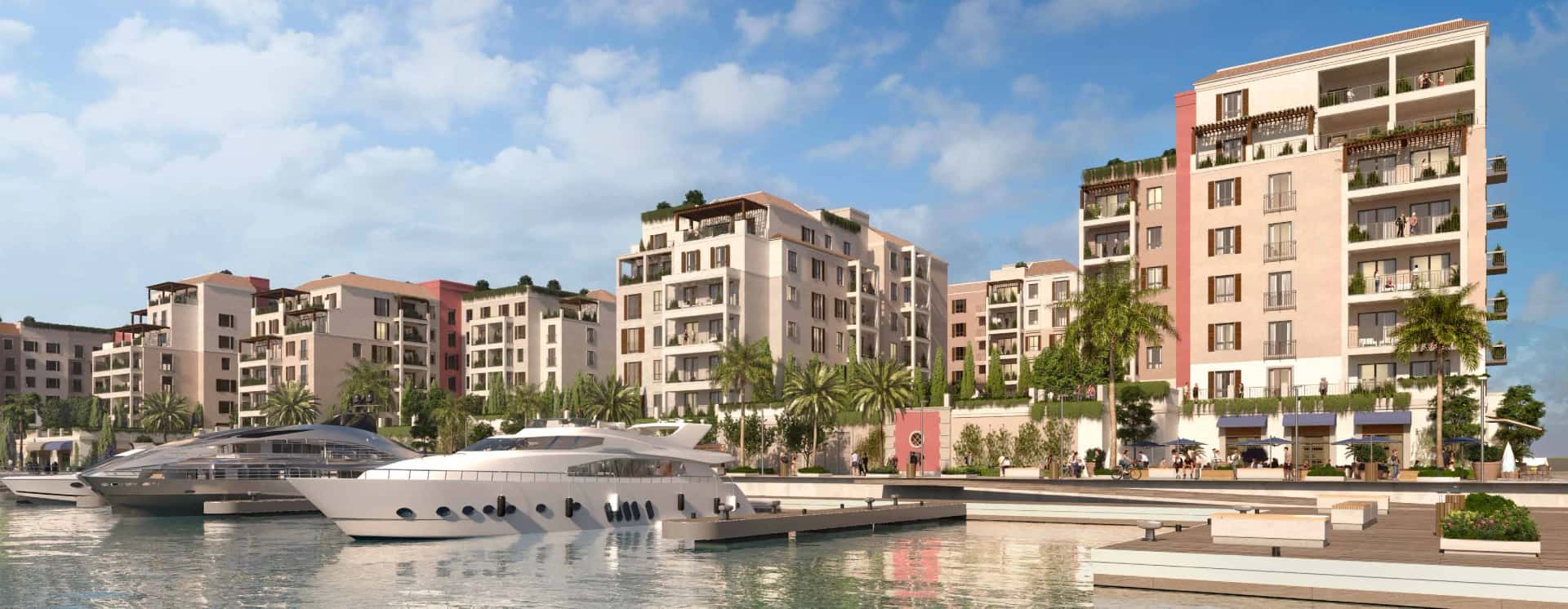
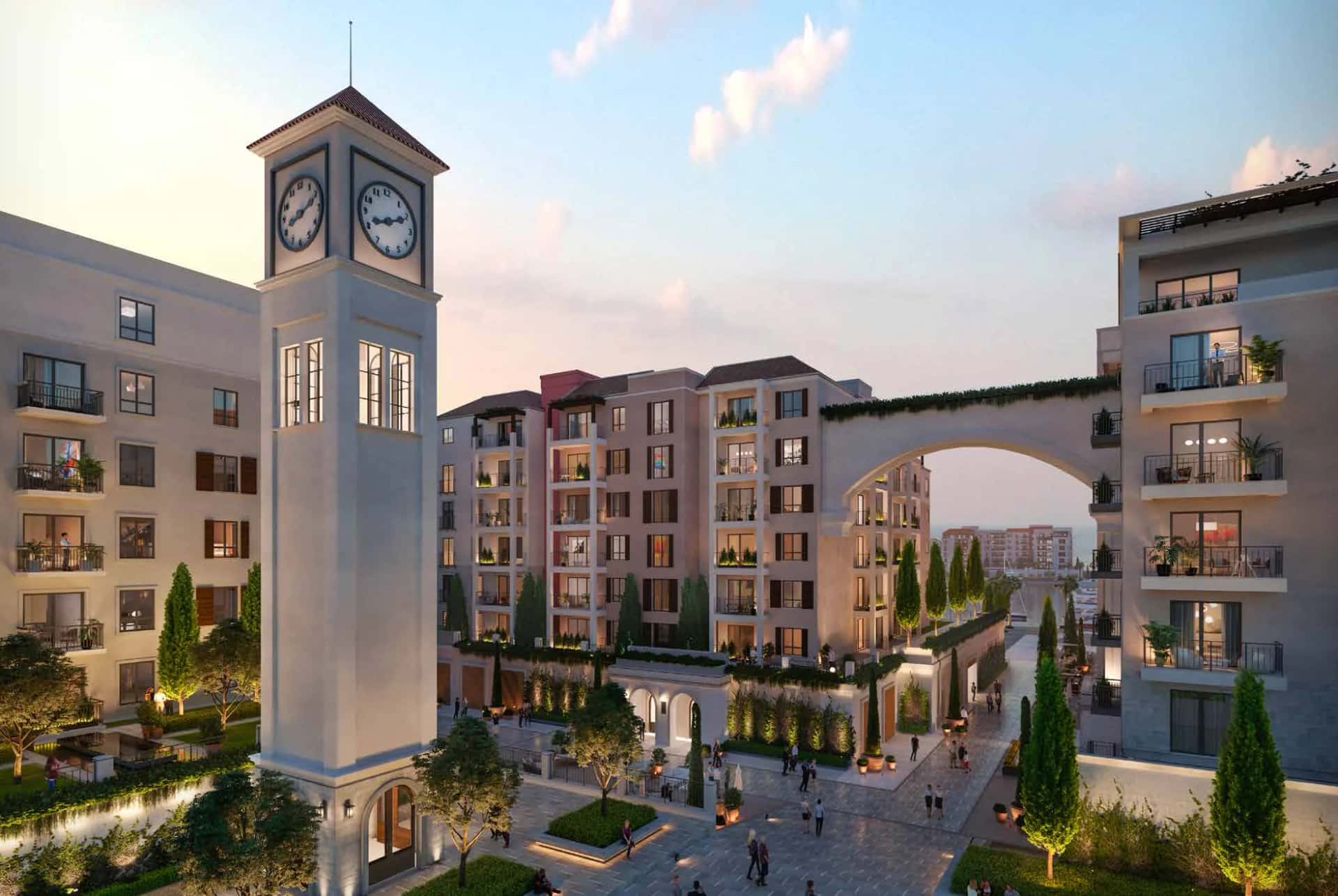
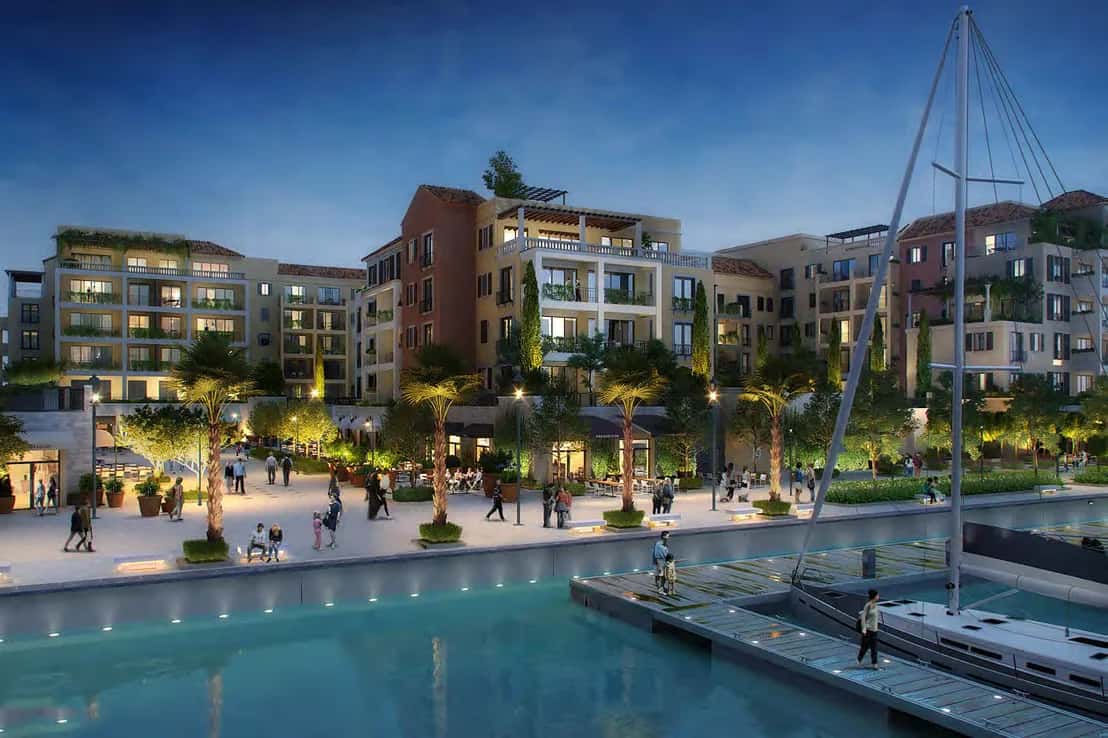
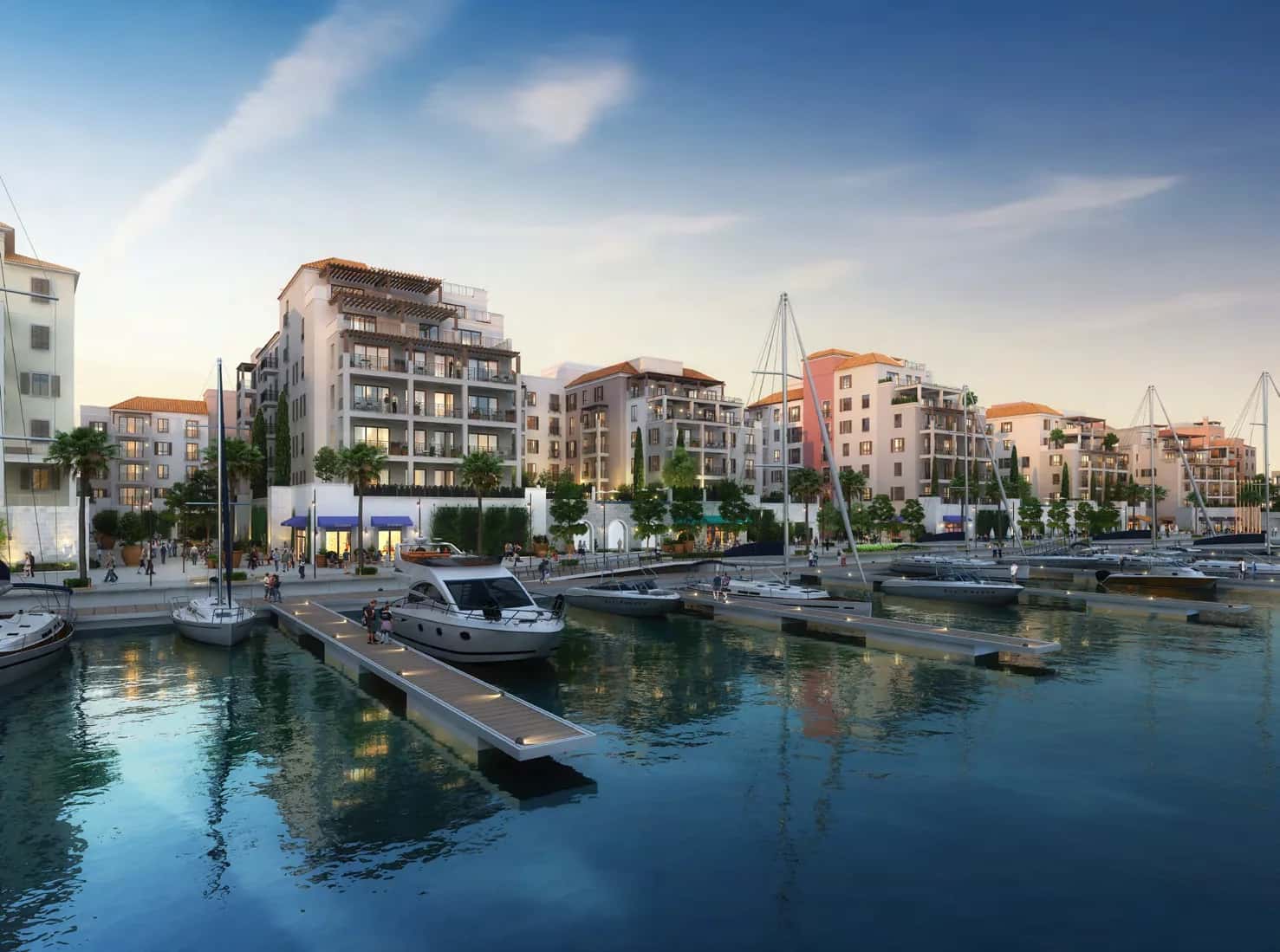
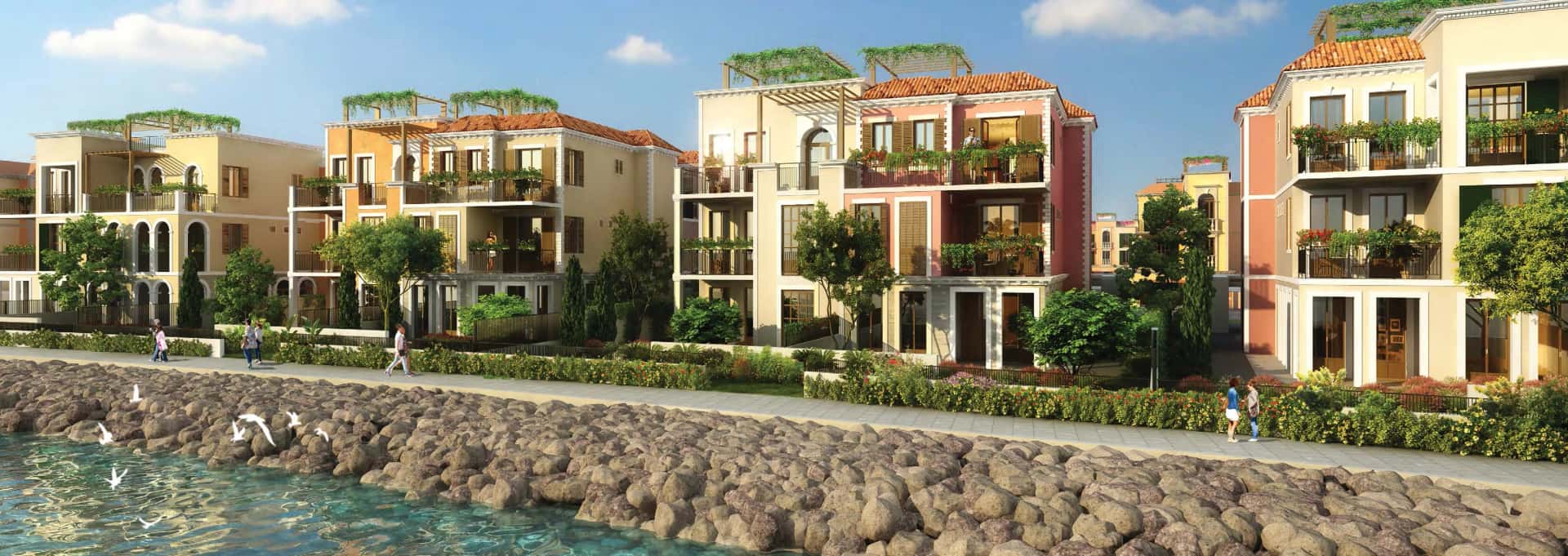
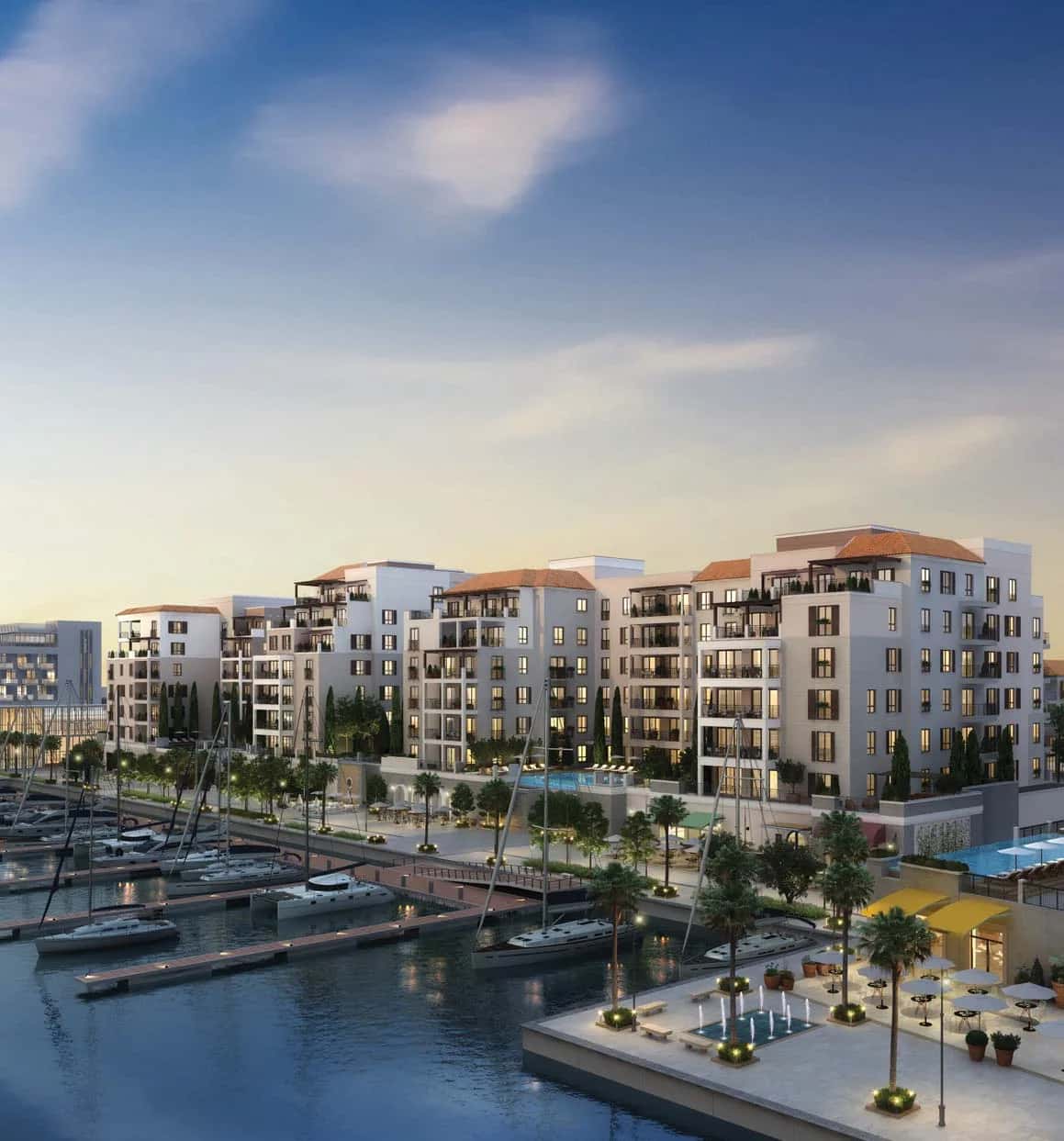
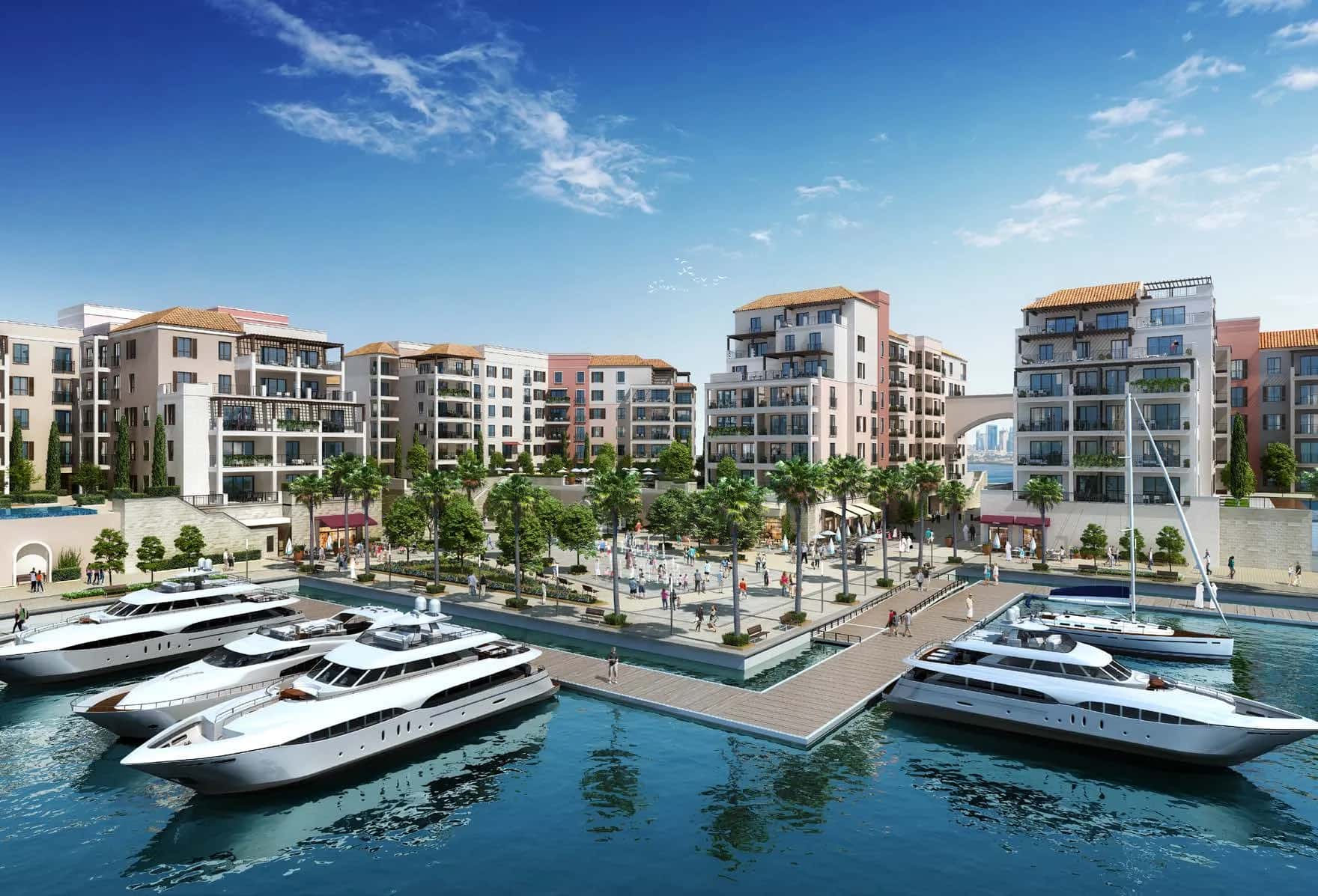
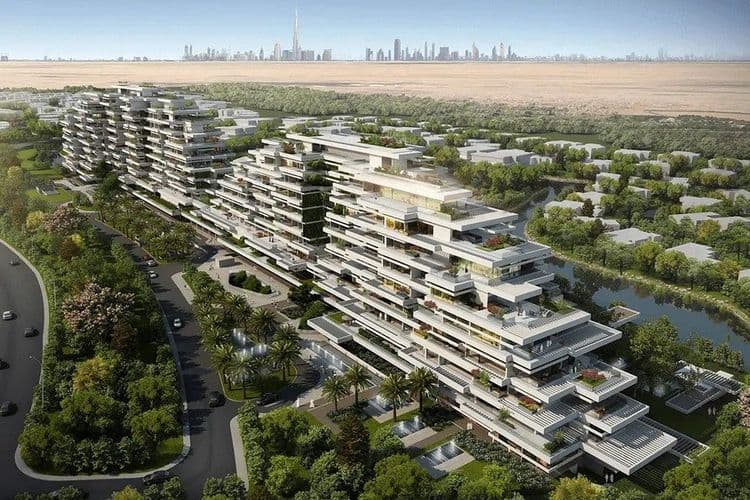
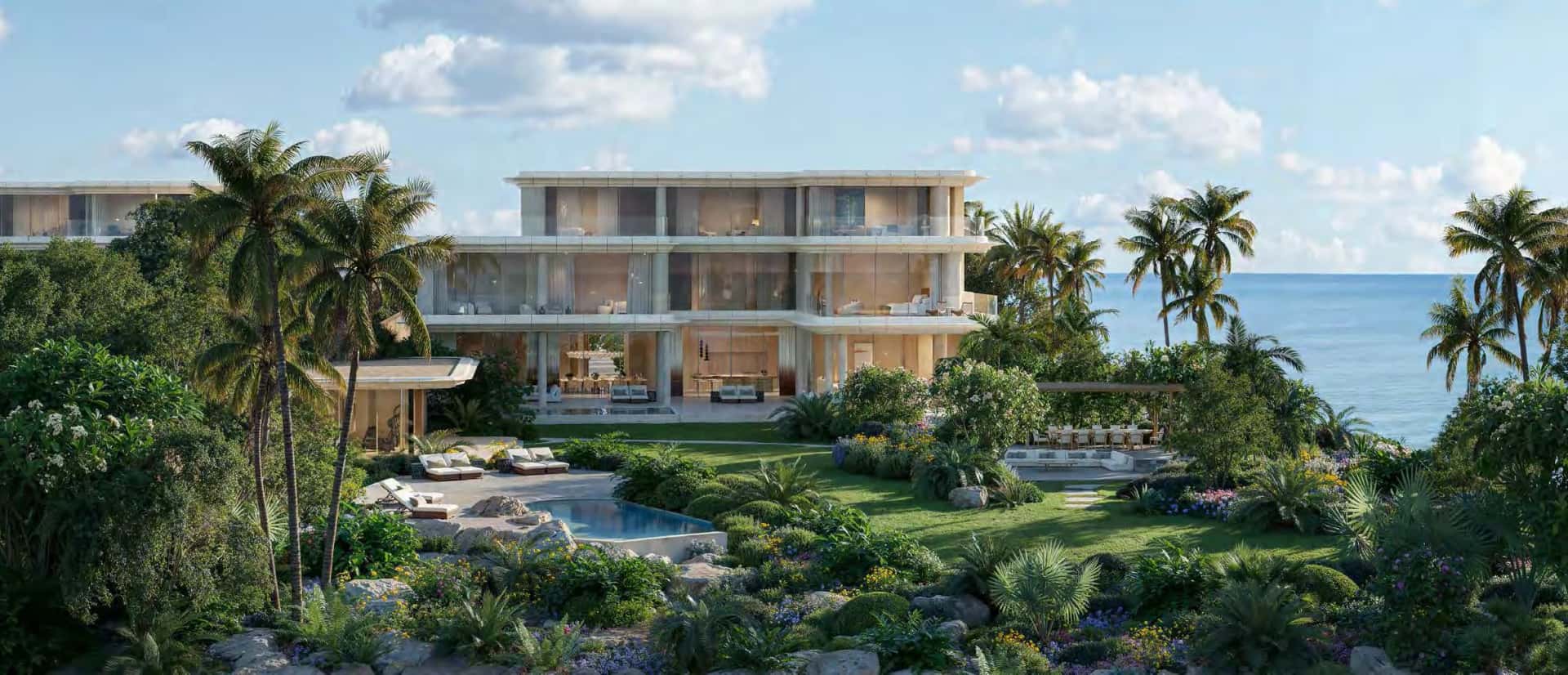
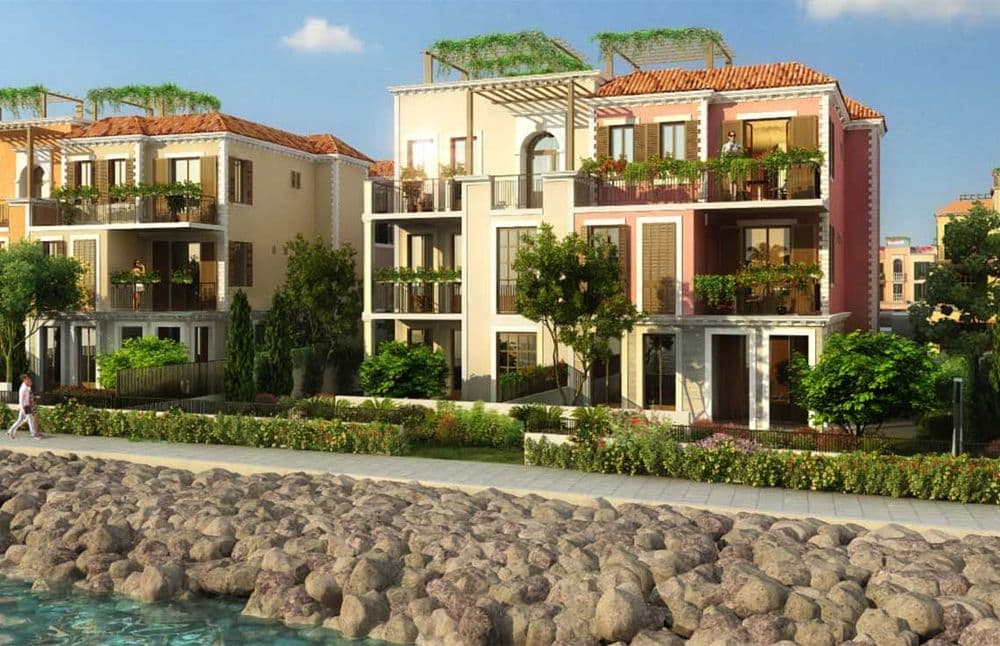
La Mer is Meraas's beachfront district on Jumeirah 1's coastline — a low-rise, open-air neighbourhood where the Arabian Gulf is genuinely walkable from your front door. It draws a specific kind of buyer: someone who wants beach access without the density of JBR, and a residential feel without the isolation of Palm Jumeirah. Our honest take? La Mer is one of the most underrated waterfront addresses in Dubai. It's not the cheapest, but the combination of a real sandy beach, curated retail, and a relatively contained master-plan makes it a compelling long-term hold.
We currently carry six active projects across La Mer, which tells you something important about the supply picture: this is a deliberately constrained community. Meraas has never flooded the market here, and that discipline shows in pricing.
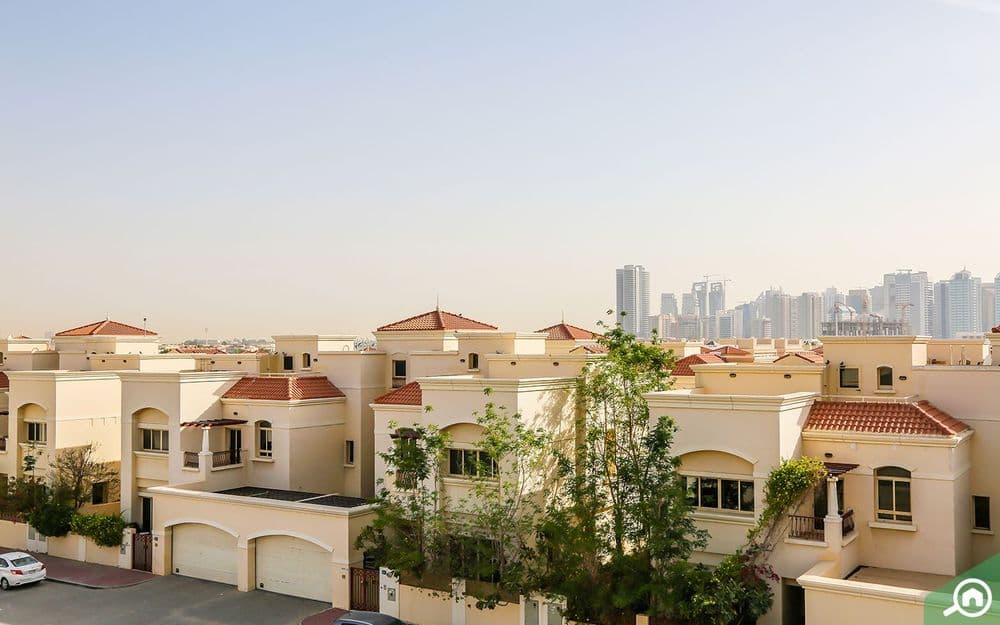
The pipeline breaks down clearly. One project — Harrisoni La Mer Villas by Almal Development — is already ready for handover, meaning buyers can move in or rent out immediately. La Sirene - Port de La Mer by Meraas has no confirmed handover status in our catalogue, suggesting it may be in a transitional phase. The bulk of new supply is concentrated in the Solaya series: four phases (Solaya 2, 3, 4, and 6) all delivering in 2029, spread across Q1 through Q3. That's a meaningful cluster of handovers arriving within a nine-month window, which buyers should factor into their exit or rental strategy.
On pricing, La Mer sits in the upper-mid to premium band for Dubai residential. Apartments in the Port de La Mer sub-community have historically traded in the AED 1,800–2,400 per sqft range depending on floor, view, and unit type. Villas and townhouse-style product — like the Harrisoni offering — command a premium over that, reflecting the scarcity of standalone homes on a genuine beachfront plot.
In our experience, buyers often underestimate how much the beach-access premium holds up at resale. Unlike communities where 'sea view' means a distant shimmer from the 30th floor, La Mer's beach is right there. That tangibility supports values even in softer market cycles.
One thing we flag to every investor: the 2029 Solaya cluster will add meaningful unit count to the area in a short window. That's not a red flag — Meraas has managed phased delivery well historically — but it does mean the rental market in 2029–2030 will be more competitive than it is today. Buyers acquiring off-plan Solaya units should price that into their yield assumptions rather than extrapolating from current vacancy rates.
La Mer is a beach neighbourhood first and a residential community second. That ordering matters. The public beach is genuinely good — wide, well-maintained, and far less crowded than JBR on a typical weekend. The open-air retail strip along the waterfront has restaurants, casual cafés, and a cinema, which gives the area a social infrastructure that purely residential beachfront communities often lack.
The demographic skews towards couples and small families who want an urban-adjacent lifestyle without living in a tower block. You'll find a mix of young professionals, expat families on their second or third Dubai home, and a growing cohort of long-term residents who've traded a villa in Jumeirah for something more lock-up-and-leave. It's not a community built around school runs and supermarket proximity — those who prioritise that tend to look at Jumeirah Village or Arabian Ranches instead.
Walkability is genuinely high by Dubai standards, which is a low bar, but La Mer clears it comfortably. The beach, the dining strip, and the retail are all accessible on foot from most residential buildings. That said, you'll still need a car for anything beyond the immediate precinct — grocery runs, school drop-offs, and most errands require driving.
The vibe is relaxed without being sleepy. Weekend mornings feel like a proper beach town. Weekday evenings are quieter than you'd expect given the proximity to central Dubai. Our buyers who've moved here consistently say the noise levels are lower than they anticipated, which is a genuine quality-of-life point worth making.
This is not an investor-only community. Owner-occupiers are a real presence here, and that tends to keep the common areas better maintained and the community feel more grounded than in areas dominated by short-term rentals.
Schools within reach:
Healthcare:
Retail & daily needs:
The immediate retail offering is leisure-oriented rather than convenience-oriented. Residents generally make one car trip for weekly groceries and rely on the waterfront strip for daily dining and coffee.
La Mer sits on the Jumeirah 1 coastline, roughly 10–12 minutes by car from DIFC in light traffic. The Burj Khalifa and Downtown Dubai are around 15 minutes. Dubai Marina is 25–30 minutes, and Dubai International Airport (DXB) is approximately 20 minutes via the D89 and Sheikh Zayed Road interchange.
There is no metro station serving La Mer directly. The nearest metro access is at the Business Bay or Financial Centre stations, which are a drive away — so public transport is not a realistic daily option for most residents. This is a car-dependent address, full stop.
The road network is adequate rather than exceptional. Al Wasl Road and Jumeirah Beach Road are the main arteries, and both get congested during school-run hours (7:30–9:00am) and evening peak (5:00–7:00pm). The Jumeirah Beach Road stretch in particular can back up significantly heading towards the city in the morning. Residents heading to DIFC or Downtown should budget 20–25 minutes in peak hours, not the 10-minute off-peak figure.
For school runs, the proximity to several established Jumeirah schools is a genuine plus. Families don't face the 45-minute commutes that some outer-community residents endure. DWC (Al Maktoum International) is around 45–50 minutes, which matters less for most residents but is worth noting for frequent travellers.
La Mer occupies a specific niche in the Dubai investment landscape: genuine beachfront, limited supply, and a master-developer (Meraas) with a track record of maintaining community standards post-handover. Those three factors together make it a more defensible hold than many off-plan plays in the city.
Rental yields in La Mer typically run in the 5–7% gross range for apartments, which places it in the prime-area band rather than the high-yield mid-market. That's not a criticism — it reflects the capital value appreciation the area has seen. Buyers chasing 8–9% yields should look elsewhere; buyers who want a combination of yield and capital growth in a supply-constrained location will find La Mer more interesting.
The Solaya pipeline (four phases delivering in 2029) is the key variable to watch. Four projects landing within a nine-month window will temporarily soften the rental market as new units compete for tenants. Our view is that this is a short-term pressure, not a structural problem — the beach-access premium and Meraas's brand tend to absorb new supply faster than comparable inland communities. But investors buying Solaya units off-plan should not assume they'll achieve day-one rental rates equivalent to today's market.
Resale liquidity is reasonable. La Mer is a recognised address, which means it appears on the shortlist for a specific type of buyer without much prompting. It's not as liquid as Dubai Marina or Downtown, where the buyer pool is enormous, but it's far more liquid than niche villa communities where you might wait months for the right buyer.
Capital appreciation has been solid off the back of Meraas's continued investment in the public realm and beach infrastructure. The area is not finished — the Solaya phases suggest Meraas is still building out the community — and early-mover buyers in completed stock have generally done well.
Our editorial line: bullish, with the caveat that the 2029 handover cluster warrants careful timing on any short-term rental strategy.
Gross yields at La Mer typically run between 5% and 6.5% annually, which is solid for a beachfront address. One-bedroom apartments in the Solaya buildings are the sweet spot for rental demand — short-term holiday lets can push yields higher, and DTCM permits are obtainable here. In our experience, furnished units facing the beach or the marina rent out within two to three weeks of listing, especially during the October–April peak season.
Meraas is the master developer and still the dominant name — La Sirene and all four Solaya phases in our catalogue are Meraas projects. Almal Development has entered the community with the Harrisoni La Mer Villas, bringing a boutique villa product that didn't previously exist here. We work directly with both developers, so our buyers get first access to new releases and, in some cases, pre-launch pricing before units hit the open market.
La Mer is on the Jumeirah 1 coastline, which puts it in a genuinely central position. In normal traffic, DIFC is about 15 minutes, Dubai Marina around 25–30 minutes, and Dubai International Airport roughly 20 minutes via the Al Khail or Sheikh Zayed corridors. There's no metro station directly serving La Mer yet, so most residents drive or use ride-hailing. Our buyers who work in DIFC or Downtown consistently tell us the commute is one of the easiest they've had in Dubai.
Yes — the Jumeirah corridor is one of Dubai's most school-dense areas. Jumeirah English Speaking School (JESS) Arabian Ranches is popular with families, but closer options include JSS International School (about 5 minutes away) and Kings' School Dubai in Umm Suqeim (roughly 10 minutes). For younger children, several nurseries operate within a 2 km radius. We'd always recommend checking current KHDA ratings before committing, but in our experience families moving to La Mer rarely struggle to find a suitable school place.
Beyond the 1.5 km of public beach, La Mer has over 130 dining and retail outlets, a cinema, a waterpark (Laguna Waterpark), and a marina with boat berths at Port de La Mer. Grocery runs are easy — a Carrefour Market is on-site. For residents, the beach promenade doubles as a morning run route, and the whole area is walkable in a way that few Dubai communities are. It genuinely functions as a self-contained neighbourhood rather than just a weekend destination.
Live listings, off-plan launches, recent transactions and rental yields — direct from our advisors. No inflated commissions, no spam. One business-day reply.